
Last updated November 24, 2026
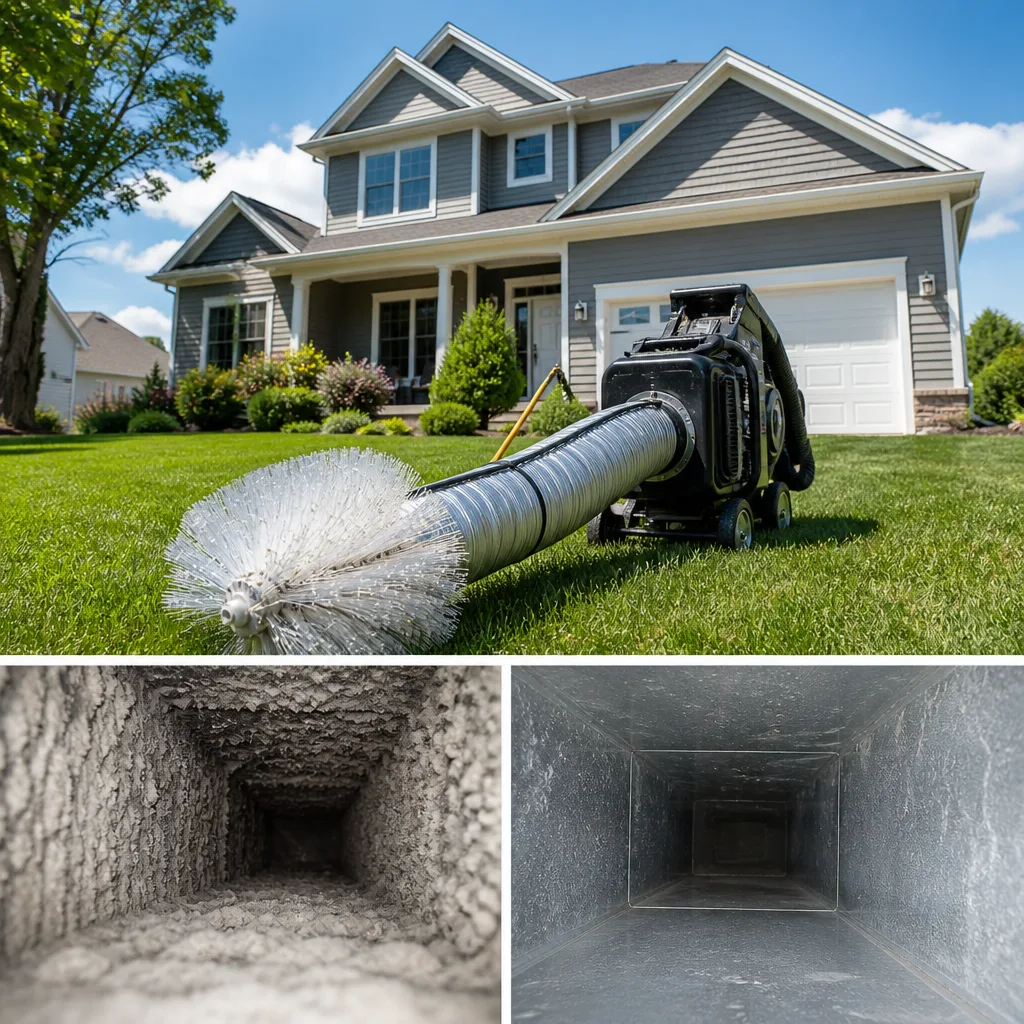 Whole-home duct cleaning
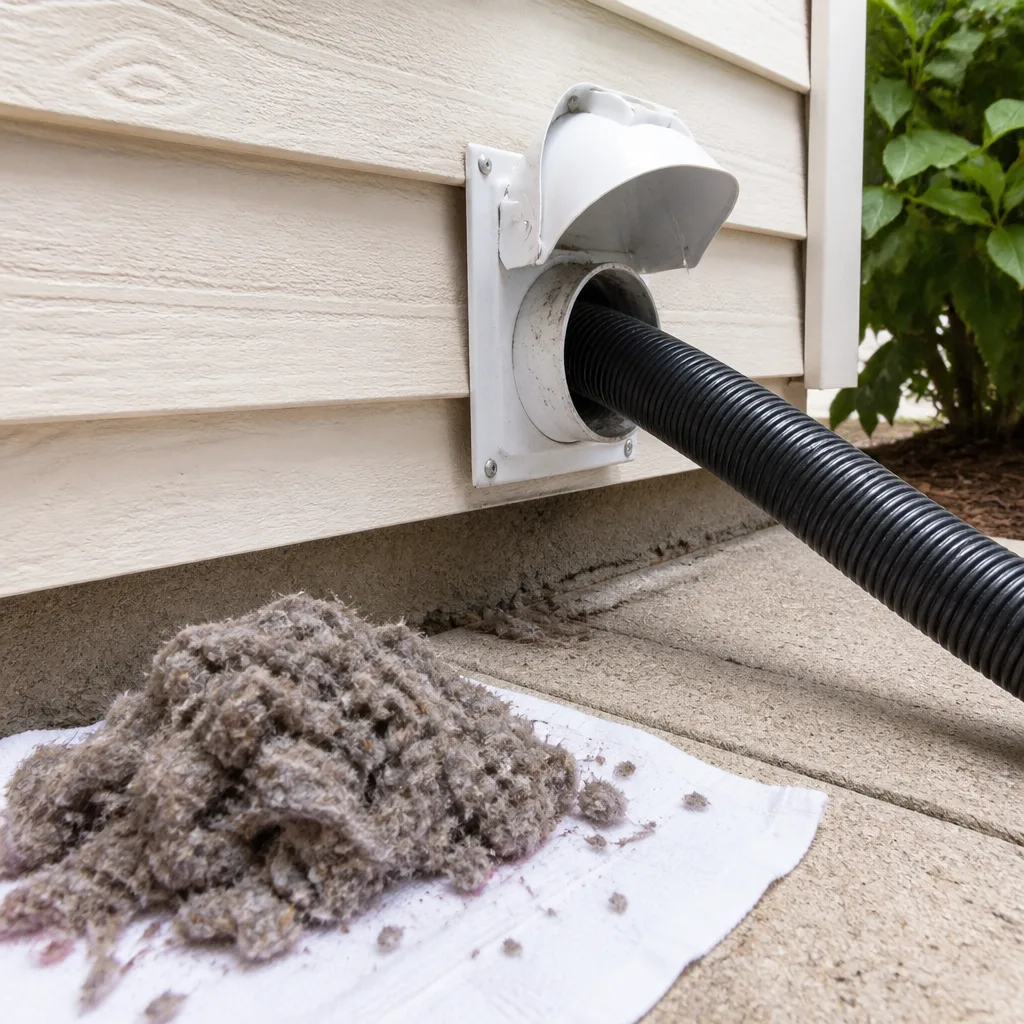 Dryer vent cleaning
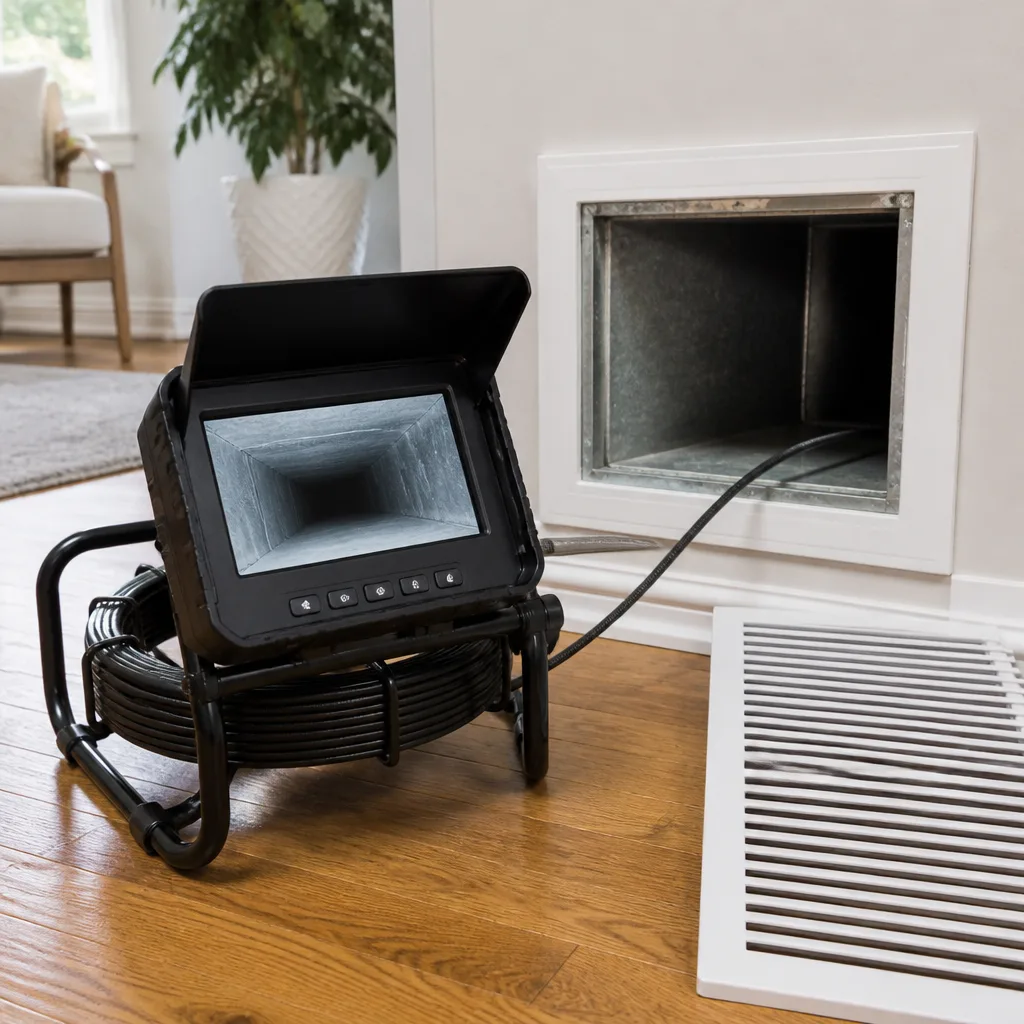 Camera inspection
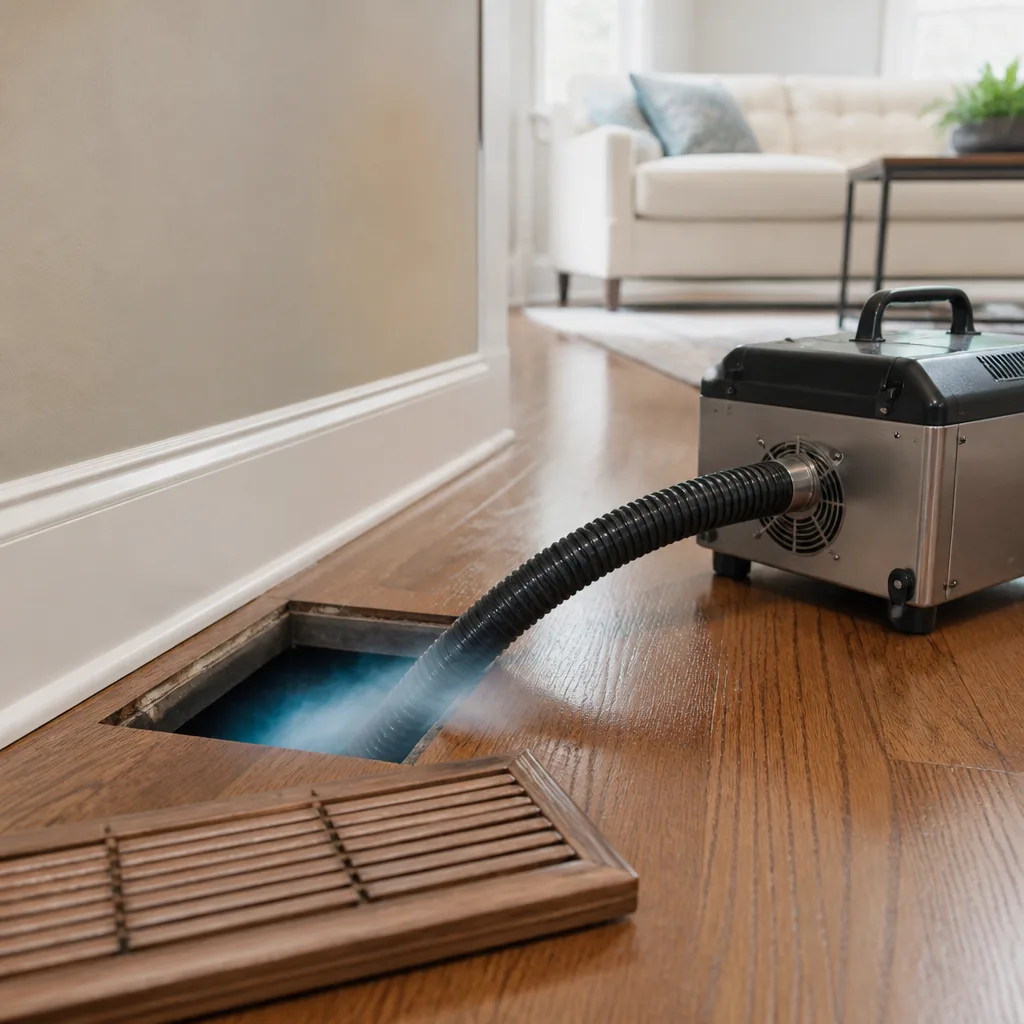 Sanitizing & deodorizing
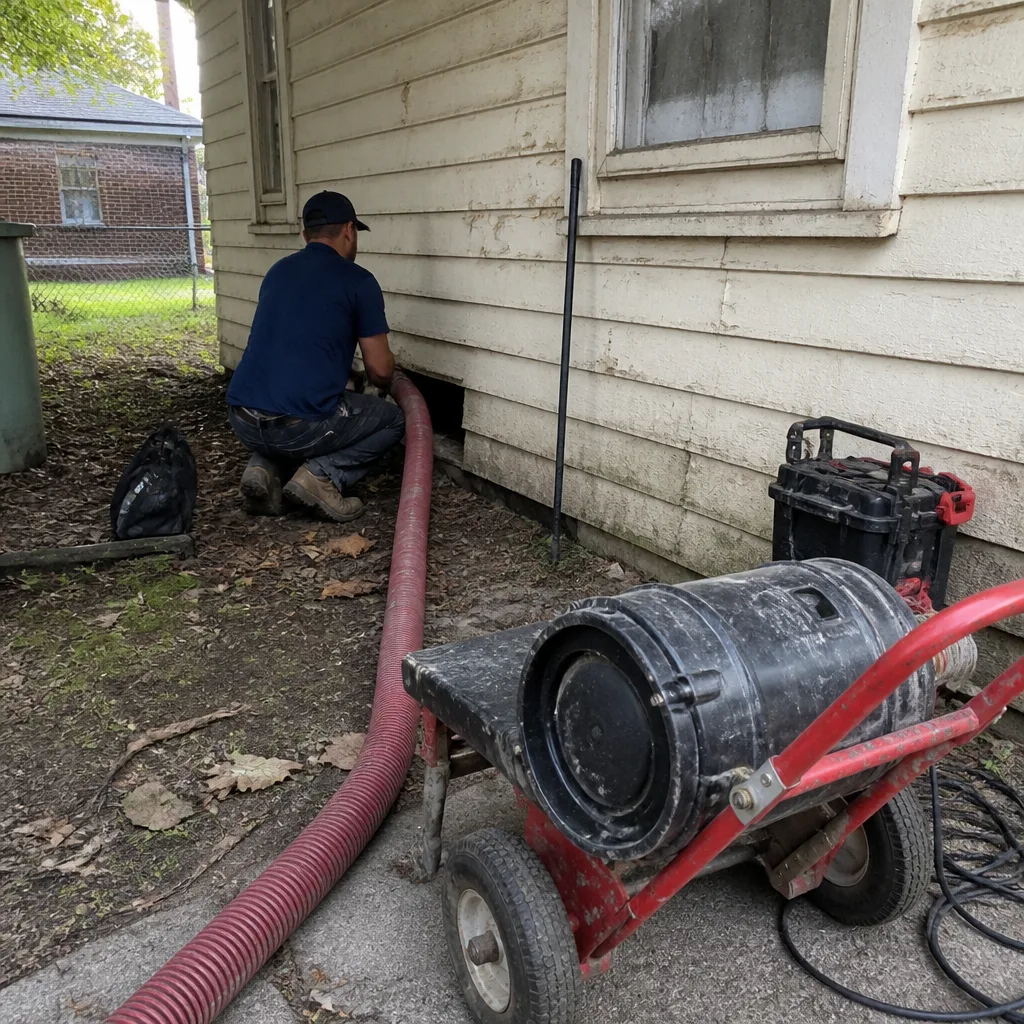
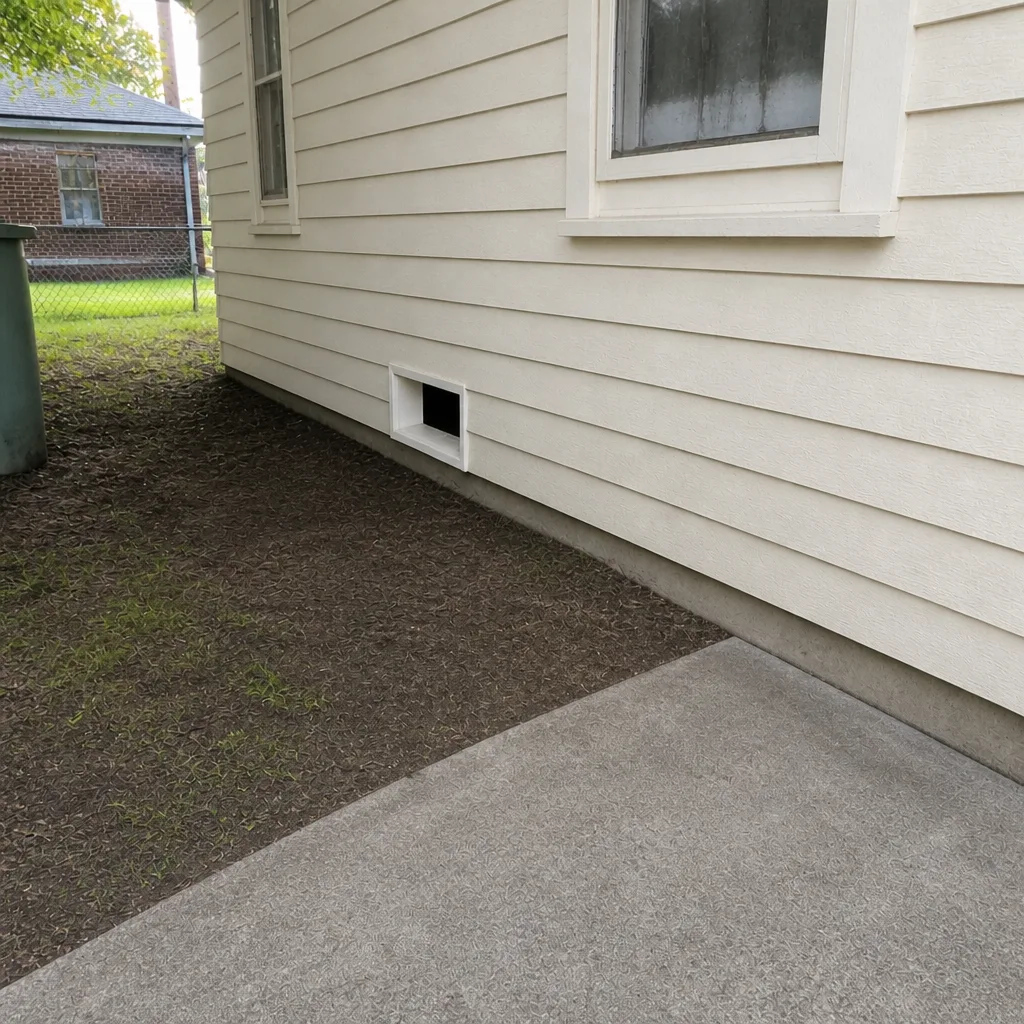
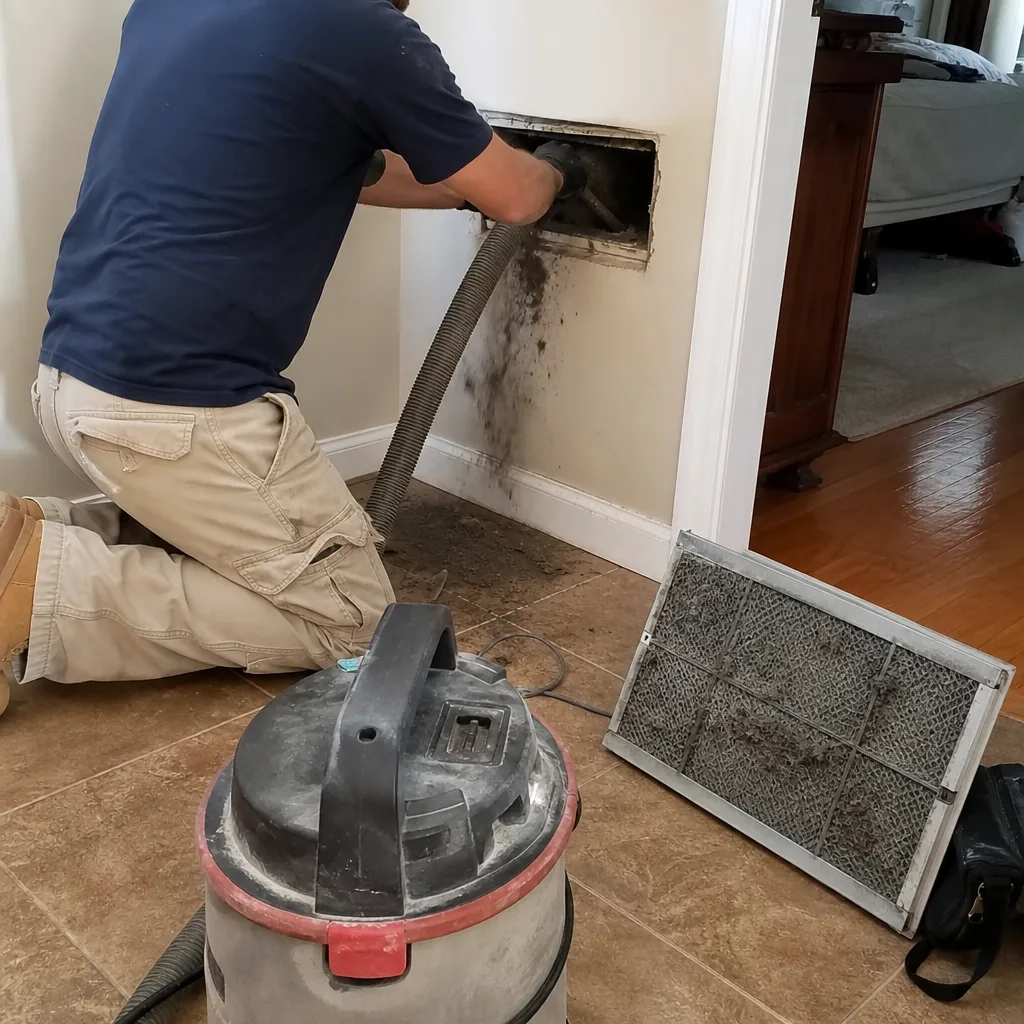
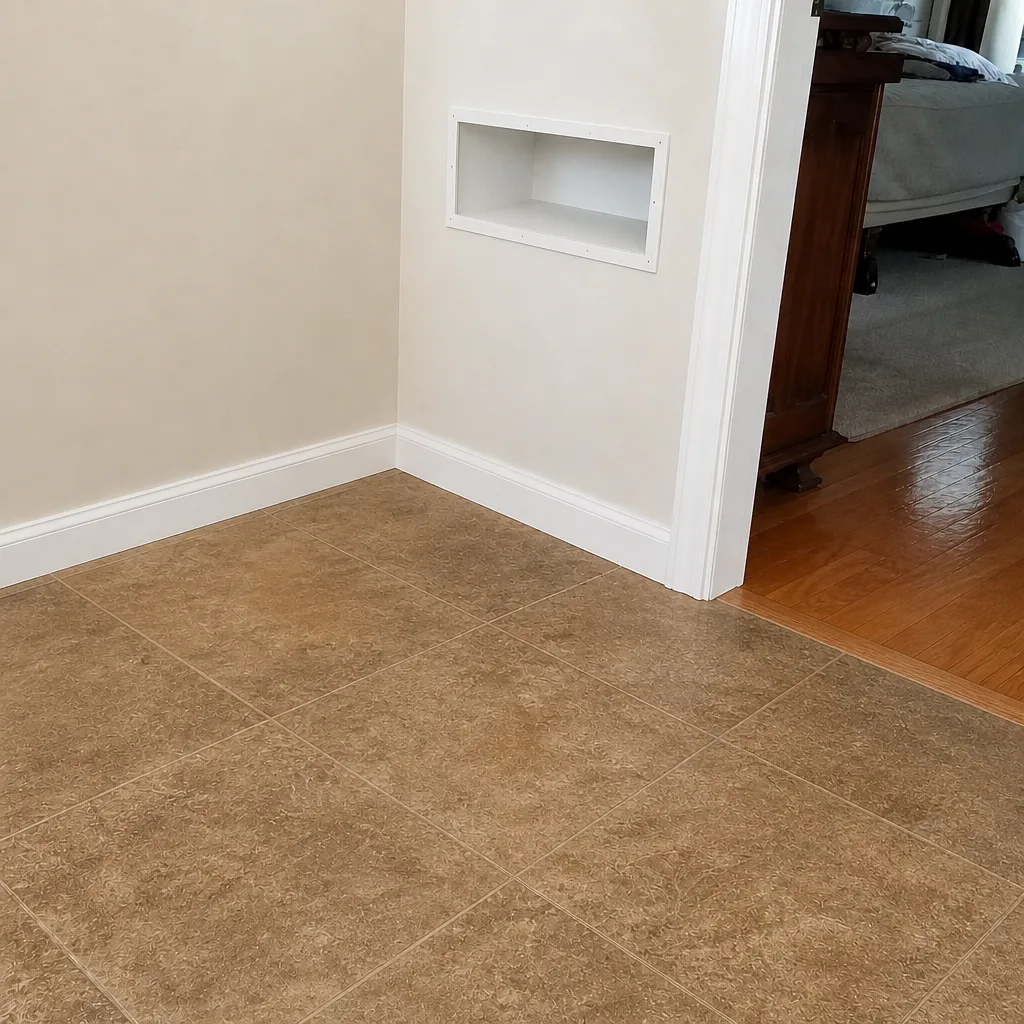
Whole-system duct and dryer vent check with before-and-after photos - you see exactly what came out of your vents
That "$99 whole-house special" is a bait ad - the real number appears once they are in your hallway, or the "clean" is a shop-vac at the register. We photograph the inside of your ducts before and after instead.
Air Duct Cleaning Maintenance Checklist for Hermitage Homeowners
The most common mistake we see isn’t skipping maintenance. It’s doing the wrong maintenance. Plenty of homeowners in Hermitage change a filter and consider the job handled, never realizing that a filter is one item on a longer list, and a dirty filter can actually mask problems further down the line. The truth is that ductwork needs a rhythm tied to the seasons here, not a vague “twice a year” rule borrowed from a national template. Pollen in spring, humidity in summer, and debris blown loose after storms all push on your system differently. This guide gives you a month-by-month checklist with real pass/fail criteria, so you know what’s normal, what’s not, and when to call Hermitage to handle the rest.
Quick Answer
A healthy air duct maintenance routine for a Hermitage home means running a quick monthly visual check of every register, tracking filter changes against Middle Tennessee’s pollen and humidity calendar, and scheduling professional cleaning when you see biofilm, debris clumping, rust streaks, or a noticeable drop in airflow. The full checklist below breaks this into specific tasks, month by month, with clear benchmarks for when an inspection is enough and when you need a full cleaning.
Styles & brands we work with
- Whole-home duct cleaning
- Dryer vent cleaning
- Camera inspection
- Sanitizing & deodorizing
Table of Contents
- Why Your Maintenance Calendar Should Follow Middle Tennessee’s Seasons
- Month-by-Month Maintenance Schedule for Hermitage Homes
- What to Actually Look For: Pass/Fail Criteria at Your Registers
- Filter Tracking: Choosing a MERV Rating Your System Can Handle
- When to Log an Anomaly vs. When to Schedule Cleaning
- What a Professional Visit Should Cover From Unit to Vent
- Post-Service Documentation: What Records to Keep and Why
- Don’t Forget the Dryer Vent: The Fire-Safety Side of Air Pathway Maintenance
Why Your Maintenance Calendar Should Follow Middle Tennessee’s Seasons
Hermitage sits in a climate with distinct seasonal pressure points, and your ductwork feels every one of them. Spring brings a heavy pollen load that gets pulled into the return side as your system cycles. Summer pushes humidity levels high enough that cool duct surfaces can collect condensation, which is the beginning of moisture problems. Fall and winter bring their own challenges: drier indoor air, more time spent indoors, and the debris that storms knock loose in the surrounding tree cover. A calendar built for Phoenix or Minneapolis won’t match what your Hermitage home goes through.
The practical takeaway is this: think of your duct system’s maintenance year in two phases. Spring and summer are about keeping moisture and allergens out of the air pathway. Fall and winter are about airflow efficiency and verifying that nothing has settled or shifted during the cooling season.
Here’s what that means in practice:
- Spring focus: filter changes come faster, and return grilles need more frequent visual checks because pollen clumps rather than dispersing evenly.
- Summer focus: watch for condensation at registers and check that supply airflow isn’t dropping, which can signal a moisture-driven obstruction.
- Fall focus: verify seals at joints and register boots after any storm activity, and check that no debris has blown into exterior connections.
- Winter focus: airflow and balance. With windows closed, any restriction in the duct pathway becomes much more noticeable.
None of this requires a professional visit. Most of it is a five-minute walkthrough every few weeks. The point is knowing what’s normal for the season, so an anomaly stands out when you see it. Our team at Hermitage Air Duct Cleaning follows this same calendar when we plan cleaning visits, and it’s why a homeowner calling in April often needs different work than one calling in October.
Month-by-Month Maintenance Schedule for Hermitage Homes
Here’s the working checklist. It’s built around the Middle Tennessee climate cycle, but you’ll adjust it for how heavily your system runs, whether you have pets, and whether anyone in the home has allergy sensitivities.
- January: Change or check the filter. Verify return grille airflow by hand feel. Look for dust streaks on the grille face.
- February: Check supply registers in every room. Note any register with noticeably weaker airflow than the others. Wipe grille faces clean so you can compare next month.
- March: Pollen season begins. Shorten your filter change interval to whatever your filter’s manufacturer specifies for heavy load. Check return grilles for clumping debris.
- April: Full visual inspection of all accessible duct connections. Look at the joints near the air handler and any exposed supply lines in basements or attics.
- May: First humidity check of the year. Run the AC and inspect register faces and nearby wall surfaces for condensation. Listen for unusual sound at the air handler.
- June: Mid-season filter change. Note the condition of the outgoing filter (color, buildup pattern) and log it. If it’s uniformly gray with fine dust, that’s normal. If it has visible mold or dark wet patches, that’s a flag.
- July: Peak humidity. Watch for musty odor from any register when the system first turns on. That can be a seasonal condensation sign, or it can point to a biofilm issue deeper in the system.
- August: Second full visual inspection. Compare your register airflow notes against February and May. If you’ve logged a decline, that’s a professional inspection trigger.
- September: Post-storm check. If you’ve had high winds in the area, look at exterior duct terminations, crawlspace connections, and any attic runs for debris that may have blown in.
- October: Check seals. Feel around supply and return boots where they meet the wall or floor. A draft here means a leaking joint, and that’s a repair task, not just a cleaning one.
- November: Filter change ahead of heating season. Replace with your logged MERV rating. Note airflow at every register with heat running.
- December: End-of-year review. Pull out your maintenance log. If the last professional cleaning is over a year past or you’ve logged three or more anomalies, it’s time to schedule.
If you want to see how this pairs with professional air duct cleaning, we can walk through your log with you and help you decide whether you’re due for a full visit or just an inspection.
What to Actually Look For: Pass/Fail Criteria at Your Registers
Most checklists say “inspect your ducts” without telling you what normal actually looks like. Here’s the standard: every inspection point should have a visual or performance benchmark so you can ultimately answer pass or fail.
Supply Registers (Where Cool or Warm Air Enters a Room)
- Pass: Fine, even dust film on the grille face. Uniform color. No dark patches. Airflow feels consistent across the grille surface. No musty odor.
- Fail: Dark streaking on the grille face. Clumped debris visible if you shine a light into the register. Visible biofilm (slimy or fuzzy texture, usually darker than dry dust). Rust streaks on the metal grille or on the wall around it. Noticeable drops in airflow that persist after a filter change.
Return Registers (Where Air Leaves the Room and Heads Back to the System)
- Pass: Dust film with a slightly heavier deposit than supply grilles (this is normal). No odor. Grille face clean after a light wipe. No visible debris drawn tight against the grille.
- Fail: Debris clumping visible through the grille. Grille visibly bowed inward, suggesting an airflow restriction. Odor when you stand near the grille with the system running. Water staining on the nearby wall or ceiling.
Performance Benchmarks
Beyond the visual check, use a simple hand-feel test at each register with the system running on fan-only mode. You should feel steady, even airflow. Any register that feels weaker than the others in the same room is a note to log, and any register that feels consistently weaker across three months is a reason to call for inspection. The same applies to sound: a register that develops a whistle or rattle is telling you the airflow has changed.
We use Rotobrush contact-cleaning systems and Nikro professional equipment specifically because they agitate and extract debris rather than just brush the surface. But the inspection standards we apply during a visit are the same ones you can use yourself at home. That’s the point.
Filter Tracking: Choosing a MERV Rating Your System Can Handle
Here’s a piece of advice most homeowners never hear: the highest MERV rating is not the best choice. A filter that’s too restrictive for your air handler’s static pressure tolerance will choke your system, reduce airflow, and cause the very efficiency problems you’re trying to prevent. Choosing a filter is a compatibility decision, not just an air quality one.
The practical protocol:
- Find your system’s rated maximum. Check the air handler’s installation manual or nameplate for a MERV recommendation. If the manual gives a range, stay within it.
- Start conservative. If you’re upgrading for the first time, move one step up in MERV rather than jumping to the highest rating available. Run the system for a few weeks and note airflow at each register.
- Log every change. Record the date, the MERV rating, the visual condition of the outgoing filter (fine dust, heavy buildup, mold, moisture), and any change in airflow or system noise.
- Adjust seasonally. During spring pollen season, you may want to change the filter more frequently. In winter, if the filter is still clean at the normal change interval, extend slightly.
- Never stack filters. A filter in front of a filter multiplies restriction. One filter, correct size, correct rating.
Beyond the basic filter, whole-home filtration and humidity control are a separate layer of protection. We work with Honeywell and Aprilaire IAQ systems, which give you a way to improve the air pathway beyond the cleaning itself. If your current filter protocol isn’t cutting it, that’s a conversation worth having during a professional visit. We’ll walk through the options during any HVAC cleaning appointment.
When to Log an Anomaly vs. When to Schedule Cleaning
Not every anomaly means “schedule a cleaning.” Some need nothing more than a note in your log and another look next month. Others mean a full professional visit is due. The threshold matters because cleaning too frequently wastes money and cleaning too late lets problems grow into repair work.
Log It and Check Next Month (Nothing More)
- Uniform fine dust on a supply grille face
- Slightly heavier dust in the return grille
- Seasonal variation in filter color (darker in spring pollen season)
- Minor noise from a register the first time you switch from cool to heat
- Mild musty smell the first few times you run the system in summer (watch this one closely; if it recurs for more than two weeks, escalate)
Schedule a Professional Inspection
- Any visible biofilm (slimy or fuzzy growth, usually darker than dry dust)
- Rust streaks on a grille or on nearby wall surfaces
- Debris clumping visible inside a register when you shine a light in
- Consistent airflow decline across three monthly checks
- Persistent odor that doesn’t clear after a filter change
- Visible dust streaks on the wall around a register (a sign of leaking boots)
- Water staining on a ceiling or wall near a duct run
Schedule a Full Cleaning Directly
- Any of the inspection triggers above, combined with a documented history of no professional cleaning in the previous 12+ months
- Post-renovation or post-construction dust contamination (drywall dust is fine and travels far; it’s a known cleaning trigger)
- Any documented mold concern in the home (this is where our Abatement Technologies source-capture filtration capability is useful, since a mold-affected home needs more than a standard vacuum pass)
- Recent pest activity in the attic or crawlspace near duct runs
Once you have your first three or four entries in your log, the pattern becomes clear. If you want a second opinion before you commit to cleaning, we’re happy to review it with you. Our technicians have up to 14 years of experience and can usually tell from a written description whether you’re looking at a cleaning case, a repair case, or a “keep watching” case.
What a Professional Visit Should Cover From Unit to Vent
A cleaning visit should be a full-pathway service, not just a vacuum pass at the registers. The industry has plenty of providers who stop at the vent. We clean the system, not just the vents. Here’s what a complete visit should look like, so you can compare what you’re quoted against what you actually need.
- Pre-visit inspection. A technician should look at the air handler, accessible duct runs, and every register before deciding what work is needed. This is where the checklist you’ve been keeping becomes useful as a baseline.
- Source capture setup. Professional cleaning should always include source-capture equipment (a negative-pressure vacuum connected at the air handler) so dislodged debris goes into containment, not into the room.
- Contact cleaning of the duct interior. Rotobrush contact-cleaning systems and Nikro professional equipment physically agitate the interior surface, which is what actually removes adhered debris rather than just vacuuming the loose top layer.
- Register and grille cleaning. Grille faces, frames, and register boots should be cleaned separately from the duct runs. This is often the dirtiest visible element and it’s easy to skip if you don’t specify it.
- Air handler and coil check. The evaporator coil should be evaluated for dust buildup. A coil that’s clogged is one of the most common reasons people think their ducts are dirty when the coil is actually the problem.
- Sealing and repair scope. Noticing leaks at boots, joints, or transitions during the visit should lead to a written repair recommendation. Cleaning around a leak doesn’t fix the leak; sealing does, and it’s a separate task we offer.
- Post-cleaning verification. Before-and-after photos of your own ducts, plus a written summary of what was cleaned, what was inspected, and what was recommended for repair or follow-up.
One flat price per system should be agreed before work begins. No per-vent pricing, no surprise line items during the job. If a provider quotes you per vent, that’s a signal that their incentives aren’t aligned with cleaning the whole system thoroughly.
Post-Service Documentation: What Records to Keep and Why
Here’s a tip that pays off years later: keep your professional service records in the same folder as your HVAC purchase paperwork and any warranty docs. The records serve you three ways: they help during resale, they help if a warranty question comes up, and they let you and your next technician see the actual cleaning history of the system.
What to Keep From Every Professional Visit
- Signed written estimate with the scope of work and the final price
- Before-and-after photos of your own ducts (these are also how you verify the work was actually done, which matters given the bait-and-switch reputation of this industry)
- Inspection notes on any leaks, coil condition, or anomalies logged during the visit
- Repair and sealing recommendations with a note about which ones you did or deferred
- Filter specs used (size and MERV rating) so you can reorder consistently
- The cleaning technician’s summary of what was actually extracted and cleaned
How Long to Keep Them
Your most recent cleaning record should stay accessible for as long as you own the home. That means the last professional visit’s paperwork plus any repair or sealing records. Purchase-year documentation goes with any warranty. If you’re planning to sell in the next couple of years, keep a full folder ready.
For Resale
Buyers increasingly ask for maintenance records, and a documented cleaning history reassures them about the state of the air pathway. So does a documented filter log. If you’ve been keeping the month-by-month calendar from this guide, you already have the material a buyer wants to see. For commercial properties, our commercial duct work records follow the same documentation standard.
Don’t Forget the Dryer Vent: The Fire-Safety Side of Air Pathway Maintenance
There’s one more air pathway in your home that most maintenance checklists skip entirely, and it’s the one with actual fire risk attached: the dryer vent. Lint accumulates inside the exhaust run, reduces dryer efficiency, and, in the worst case, becomes a fire hazard. It’s an airflow safety service, not an upsell, and it belongs on the same calendar as your duct checks.
Add these tasks to your month-by-month schedule:
- After every load: empty the lint trap. This is not optional.
- Monthly: disconnect the dryer from the wall vent and check the transition hose for lint buildup. Reconnect securely.
- Quarterly: Check the exterior vent flap. It should open freely when the dryer runs and close when it stops. A stuck flap is a sign of blockage.
- Annually: Have the full exhaust run cleaned. If your dryer takes more than one cycle to dry a standard load, or you notice the exterior vent flap sticking, that’s the trigger regardless of the calendar.
Our dryer vent cleaning service handles the full run from dryer connection to exterior termination, with a source-capture setup to keep the dislodged lint out of your laundry room. Most duct-only providers don’t offer this at all; making it a single call means the whole air pathway in your home gets maintained on one schedule.
Common Mistakes to Avoid
- Buying the highest-MERV filter available. A filter that chokes airflow turns a maintenance win into a system restriction. Match the filter to your air handler’s rated range, not to the marketing pitch on the box.
- Skipping register grille cleaning. Grilles collect more visible dust than duct interiors, and leaving them dirty means your before-and-after photos won’t show what you paid for. Clean the grilles as part of every check.
- Ignoring a musty smell as “seasonal.” A one-week smell after switching to cooling is often condensation. Two weeks or recurring across seasons is biofilm territory, and it needs a professional inspection.
- Cleaning the ducts but ignoring the leaks. A cleaned system with leaking boot joints will re-accumulate dust quickly in Hermitage’s clay-heavy soil environment, where crawlspace and attic duct runs are common. Sealing is a maintenance task too.
- Waiting for a visible problem before booking professional cleaning. By the time dust streaks show on a wall, the leak has been running for months. Your log should catch the issue at the third monthly check, not at the visible-damage stage.
- Throwing away the post-service documentation. Six months later, you won’t remember what was cleaned or what was recommended. Keep the paperwork with your HVAC records from day one.
- Forgetting the dryer vent completely. It’s the highest fire-risk air pathway in the home, and it’s on a separate service schedule from the main duct system. Add it to the same calendar.
See the difference
 Before
 After
 Before
 After
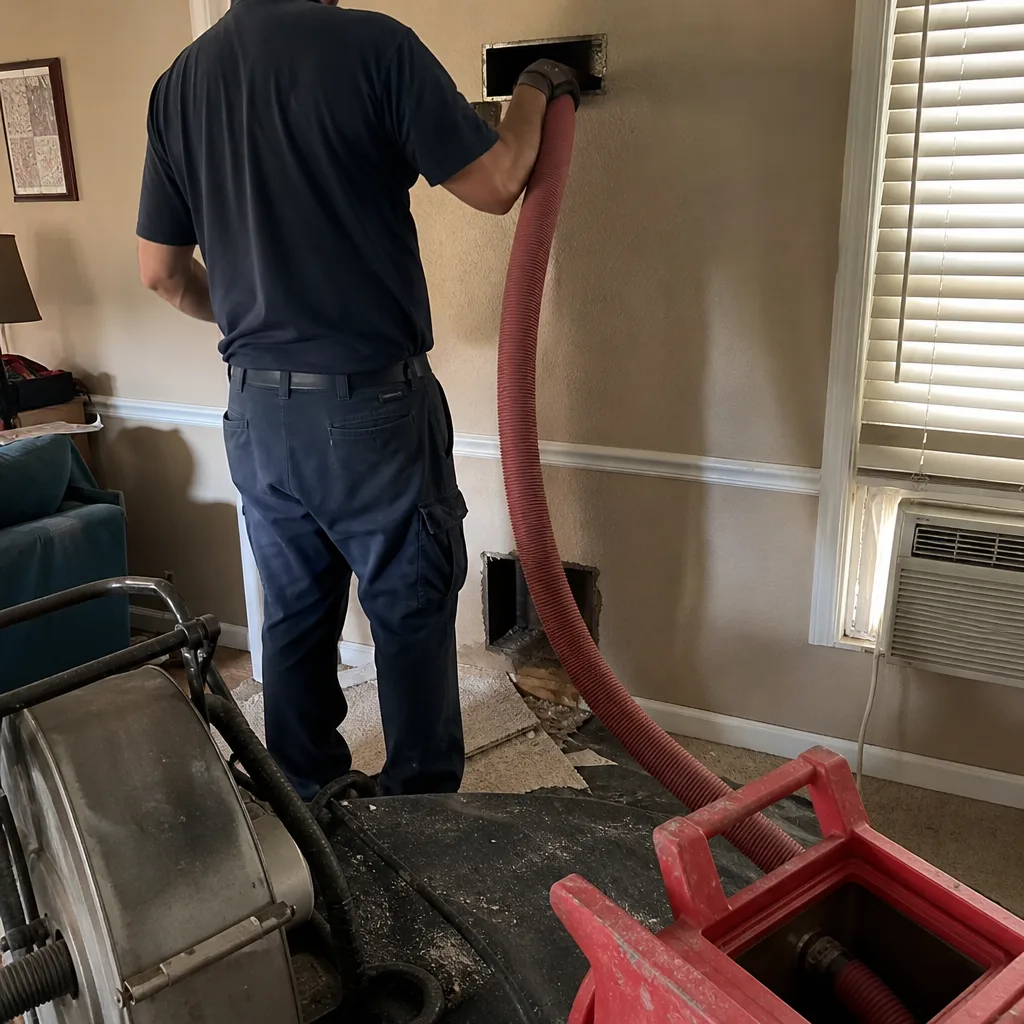 Before
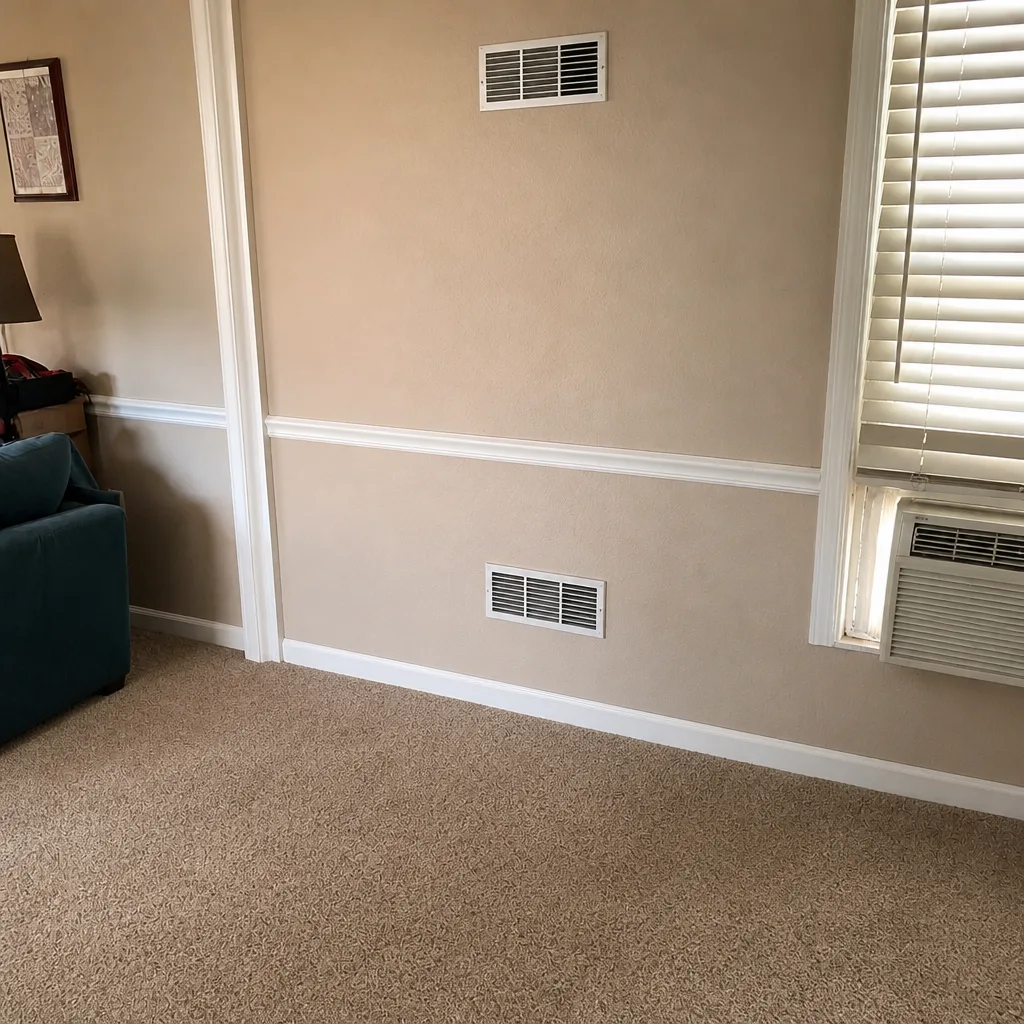 After
When to Call a Professional
Here’s the short list of situations that warrant a professional visit rather than another DIY check. You’ve logged three consecutive monthly airflow declines at any register. You see biofilm, rust streaks, or debris clumping inside a register. You have a musty odor that recurs across more than two weeks. Your home has had recent renovation, pest activity, or a known mold concern. Your filter log shows the filter is loading faster than normal, suggesting a source of debris you can’t see. Or your last professional cleaning is more than a year in the past and you’ve logged any inspection trigger from the checklist above. Hermitage Air Duct Cleaning offers free estimates in Hermitage – call (855) 726-7834. We answer 24/7, with fast dispatch from 7am to 7pm, Sunday through Friday.
Frequently Asked Questions
Most Hermitage homes do well on a cleaning every one to three years, driven by your filter log and inspection triggers rather than a fixed rule. Homes with pets, allergy sufferers, recent renovation, or a history of seasonal mold concerns usually fall on the shorter end. Homes with a well-maintained filter routine and clean inspection logs can stretch toward three years. Call (855) 726-7834 for an exact recommendation based on your system – estimates are free.
Your air handler’s rated maximum matters more than the local climate, so check that first. For most homes here, a filter within the air handler’s rated range, changed on a realistic interval, handles Middle Tennessee humidity fine. Going too high in MERV without confirming static pressure tolerance is the mistake. When in doubt, ask your HVAC technician or schedule a visit and we’ll check it during the inspection.
Biofilm is a sign that moisture is present somewhere in the air pathway, and it’s worth investigating regardless of whether it’s causing noticeable symptoms. It’s not something to inspect and ignore. A professional visit with source-capture filtration (we use Abatement Technologies equipment for this) is the right next step. Call (855) 726-7834 to schedule an inspection.
Low quotes are usually per-vent pricing that ends before the work is really done, or they skip the source-capture setup, coil check, or register cleaning that makes a difference. One flat price per system, agreed before work begins, with before-and-after photos of your own ducts, is the honest structure. We’re happy to walk through ours with you on a call.
Before-and-after photos of your own ducts are the standard you should expect, plus a written summary of what was cleaned and inspected. If a provider doesn’t offer photos, ask why. Call (855) 726-7834 and we’ll walk you through what a documented visit looks like.
Yes, we do, and it’s a separate job with its own estimate for good reason. Sealing leaky boots, joints, and transitions addresses energy loss and cross-contamination directly, which cleaning alone can’t fix. If a cleaning visit turns up leaks, you’ll get a written repair recommendation rather than a verbal “you should fix that someday.” Call (855) 726-7834 for a free estimate.
The Bottom Line
A duct maintenance routine for a Hermitage home succeeds or fails on two things: a calendar that follows Middle Tennessee’s actual climate cycle, and pass/fail criteria you can apply yourself at every register. Change the filter on a logged schedule, not a guess. Walk your registers monthly and log what you see against the standards in this guide. Invest in a professional cleaning the moment your log shows a real trigger (biofilm, debris clumping, rust streaks, or a three-month airflow decline), and keep every document from every visit. Add the dryer vent to the same calendar, since it’s the highest fire-risk air pathway in the house. We’re here to help you fine-tune any part of it. Hermitage Air Duct Cleaning offers free estimates in Hermitage – call (855) 726-7834. We answer 24/7. Fast dispatch, 7am-7pm, Sunday through Friday, closed Saturday.
Written by the team at Hermitage Air Duct Cleaning.