
Last updated November 24, 2026
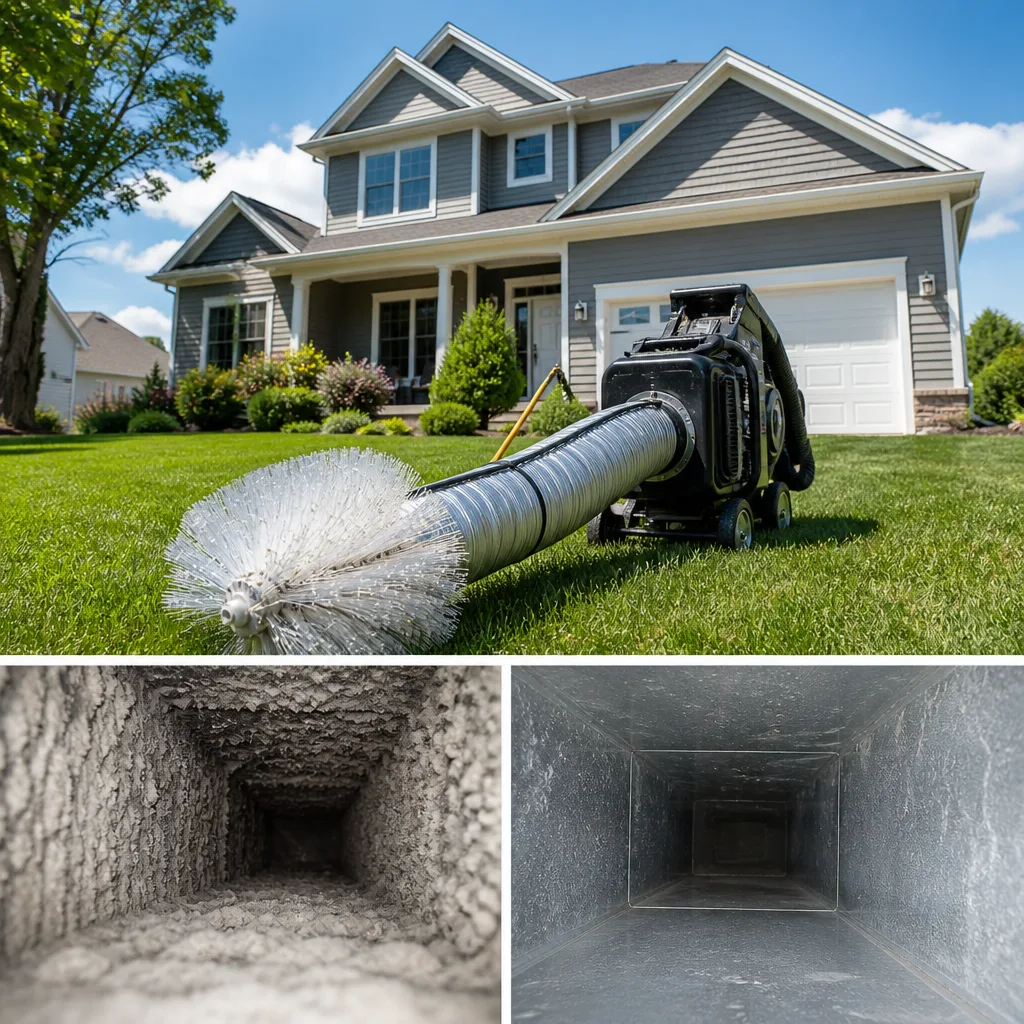 Whole-home duct cleaning
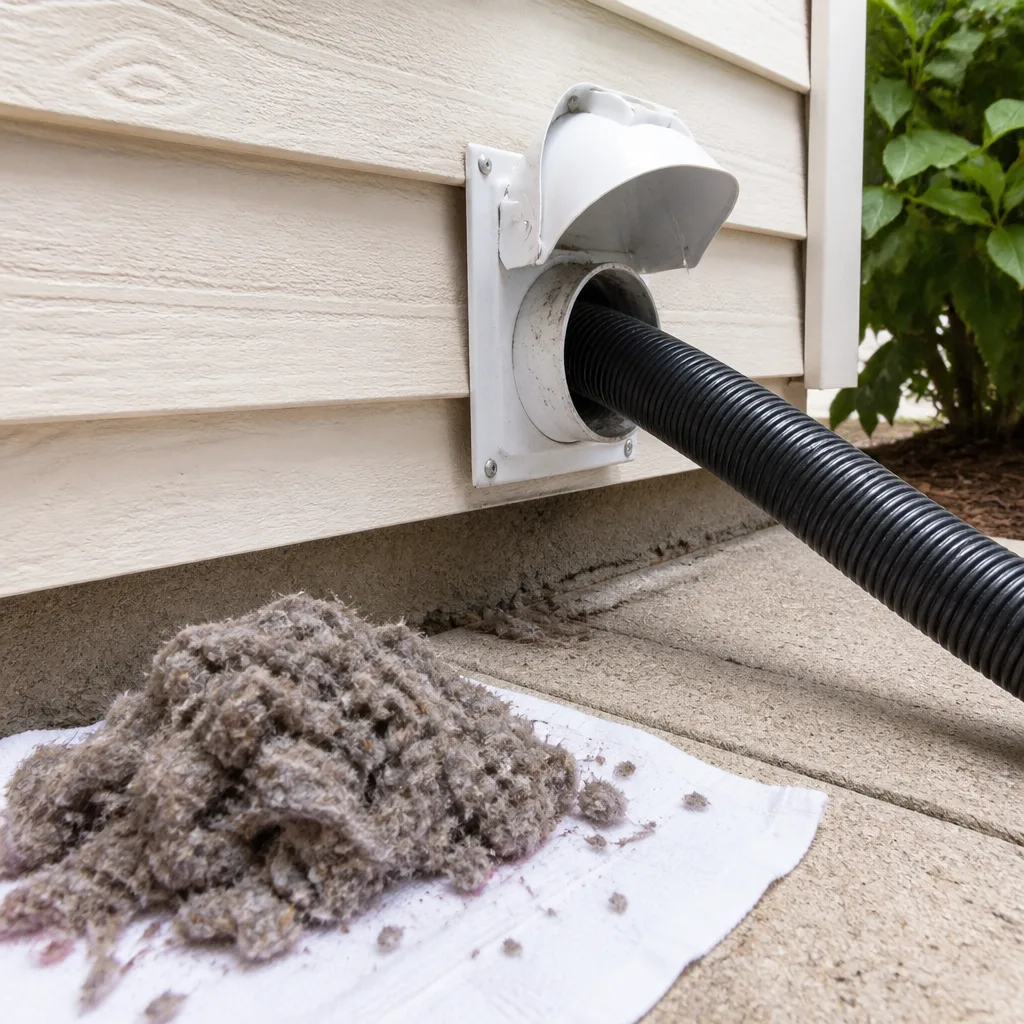 Dryer vent cleaning
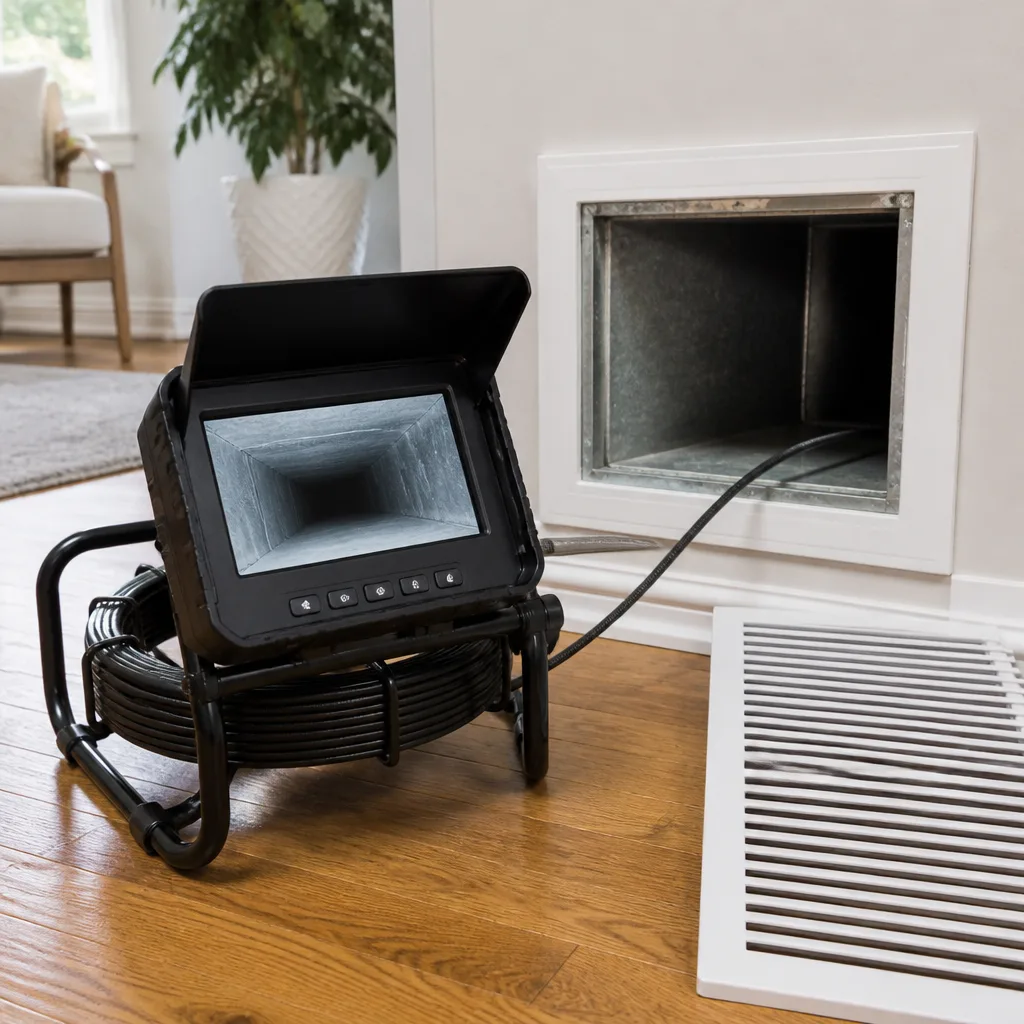 Camera inspection
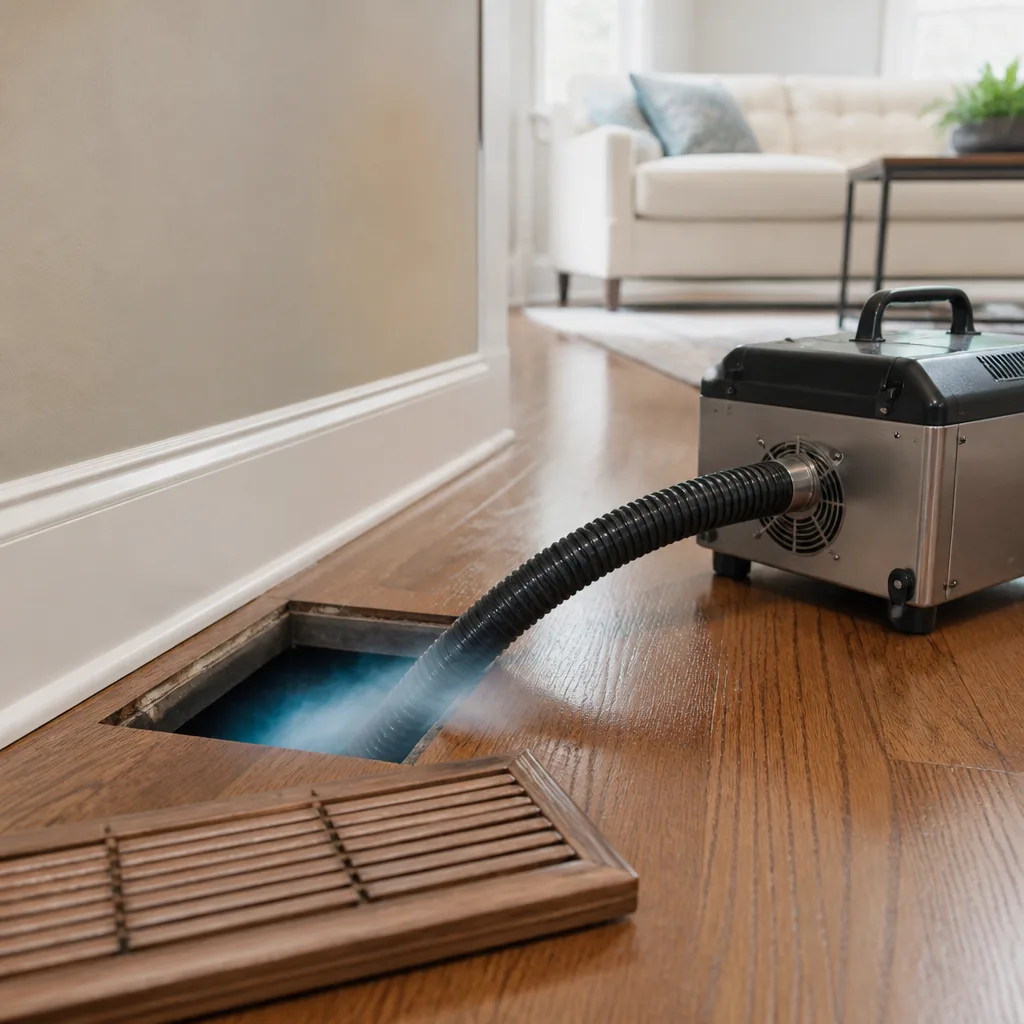 Sanitizing & deodorizing
Whole-system duct and dryer vent check with before-and-after photos - you see exactly what came out of your vents
That "$99 whole-house special" is a bait ad - the real number appears once they are in your hallway, or the "clean" is a shop-vac at the register. We photograph the inside of your ducts before and after instead.
Air Duct Cleaning Cost Breakdown: The Hermitage Homeowner’s Reference for 2026
Two quotes land in your inbox, and both say roughly $350 for the whole house. One includes negative-pressure equipment, full register removal, and a written report of what came out. The other is a technician with a shop-vac and a promise. The price is identical. The job is not. That gap between what you pay and what you actually get is the whole reason this guide exists. We’re going to reverse-engineer a duct cleaning invoice line by line so you can see where the money goes, what a fair Hermitage price looks like in 2026, and how to tell which quote in front of you is the real thing.
Quick Answer
Air duct cleaning in Hermitage for a typical single-family home usually runs somewhere in a whole-system range, not a per-vent price, and the number swings based on square footage, duct material, number of access points, and how much contamination is present. A legitimate quote is a flat rate per system agreed before work starts, broken into labor, equipment, and scope, with documentation afterward. Cheap isn’t the same as efficient; the real difference between a $300 job and a $900 job is almost always method, not markup.
Styles & brands we work with
- Whole-home duct cleaning
- Dryer vent cleaning
- Camera inspection
- Sanitizing & deodorizing
Table of Contents
- Cost Per Vent vs. Flat-Rate: How Each Is Structured
- What’s Actually on a Legitimate Invoice
- Brush Agitation vs. Air-Whip: Why the Method Moves the Price
- Add-Ons With Real Value vs. Pure Margin
- How Hermitage Home Variables Change Your Price
- Red-Flag Pricing Patterns to Watch For
- Common Mistakes to Avoid
- Frequently Asked Questions
Cost Per Vent vs. Flat-Rate: How Each Is Structured
The first thing to understand is that the industry bills two different ways, and they can produce very different numbers for the same house. A per-vent price charges you for each supply and return register in the system. A flat-rate price charges for the system as a whole. Neither is automatically in your favor; the trick is converting one to the other so you can compare apples to apples.
Per-vent pricing tends to favor smaller homes. If you have a compact ranch with eight or ten registers, a per-vent quote can come in lower than a flat rate simply because there are fewer units to count. In a larger Hermitage home with fifteen or twenty registers, though, per-vent pricing climbs fast, and a flat rate usually wins. The problem with per-vent billing is that it rewards the company for counting registers, not for cleaning the system. It also invites cherry-picking: a low teaser price for the first few vents, then a running total once the technician is inside.
Flat-rate pricing is what we recommend for most homeowners, and it’s the model behind how we structure air duct cleaning. You get one number for the whole system before work begins, so the total doesn’t move based on how many vents you happen to have.
To convert a per-vent quote into a flat rate for comparison, follow these steps:
- Count every supply register and every return grille in the home, including returns in hallways and ceilings.
- Multiply by the per-vent price to get the effective total.
- Ask whether that total includes register removal, negative-pressure containment, and a post-job report, or whether those cost extra.
- Compare that effective total against a flat-rate quote for the same scope.
Most of the time, the numbers land closer than they first appear, and the real difference comes down to what each quote actually covers.
What’s Actually on a Legitimate Invoice
A real duct cleaning invoice isn’t one mystery number. It’s built from a handful of predictable cost components, and knowing them lets you see exactly what you’re paying for. Here’s how the line items break down.
- Equipment mobilization. Professional systems like Rotobrush and Nikro units are truck-mounted or heavy portable setups. Getting that equipment on-site and set up with negative pressure is a real cost, and it’s the largest structural difference between a hobbyist and a professional job.
- Labor hours per access point. Every register that has to be removed, cleaned, and reinstalled takes time. So does creating access to main trunk lines where there isn’t an existing opening. Labor is usually the single biggest line on the invoice.
- Method: brush agitation vs. air-whip. The cleaning method itself carries different equipment and time costs, which we cover in the next section.
- Register cleaning. Pulling grilles and covers, washing them, and reinstalling is separate labor. A quote that skips register removal is skipping a portion of the job.
- Containment and source capture. Negative-pressure containment and HEPA-grade filtration, like the Abatement Technologies equipment we use for sensitive jobs, keep debris from settling back into the home. This is a cost that shows up only on quality invoices.
- Documentation. Before-and-after photos and a written report of what was found and removed. This is your proof the work happened.
When a quote is a single number with no itemization, ask for the breakdown. A reputable company can explain every component. That’s the standard we hold at Hermitage Air Duct Cleaning, and it’s the one to expect from any crew you hire.
Brush Agitation vs. Air-Whip: Why the Method Moves the Price
The cleaning method isn’t a technical detail you can ignore on price. It changes both the labor and the outcome, and it explains why two quotes for the same house can differ by hundreds of dollars.
Air-whip cleaning uses compressed air to knock debris loose and drive it toward the vacuum. It’s faster and less expensive per hour, but on ducts that have accumulated sticky buildup or have flexible lines with ridges, air alone doesn’t always break contamination free of the walls. Brush agitation physically contacts the duct interior with a spinning brush head, scraping material loose so it can be extracted. It’s slower and more thorough, and it costs more because it takes longer. Systems like the Rotobrush contact-cleaning setup are built for exactly this reason: they agitate and extract in one pass rather than relying on air movement alone.
For most Hermitage homes, the right answer is a combination. Main trunk lines and rigid sheet-metal runs respond well to brush work, while some branch lines and returns get air-whip attention. What matters is that the method matches the duct material.
Here’s how to spot a method problem in a quote:
- A very low price with no stated method usually means air-only or a shop-vac.
- A quote that says “brush cleaning” without mentioning extraction isn’t the full cycle; agitation without source capture just moves dust around.
- Explicit mention of negative pressure is a mark of a real job, not a sales line.
The same contact-cleaning approach we use in HVAC cleaning applies here: the ductwork and the unit are one air pathway, and the method has to suit both. If you’re also concerned about contamination from renovation dust, a source-capture setup with proper filtration is worth the extra cost.
Add-Ons With Real Value vs. Pure Margin
Add-ons are where duct cleaning invoices get confusing, because some are genuinely worth the money and some exist to pad the total. Here’s the honest split.
Add-ons with legitimate cost justification
- Coil cleaning. The evaporator coil is where air passes before it reaches your ducts, and a dirty coil restricts airflow and hurts efficiency. Cleaning it as part of the visit is real work with real value.
- Dryer vent cleaning. This is a fire-safety service, not an upsell. Lint accumulation in a dryer vent is a genuine fire hazard, and a clogged vent also makes the dryer work harder and run longer. We offer dryer vent cleaning alongside duct work because it’s part of the same air pathway maintenance.
- Sanitizer application. A legitimate add-on when there’s evidence of microbial growth or odor, applied after cleaning. It’s not a substitute for cleaning; it’s a follow-on step with a specific purpose.
Add-ons that are mostly margin
- Fragrance or “air freshening” treatments that mask odor rather than removing the source.
- Repeated sanitizer applications sold on a schedule whether or not there’s a problem.
- UV “purifiers” pitched as a whole-home fix without an air-quality assessment first.
Where a whole-home air quality solution makes sense, products from Honeywell and Aprilaire are worth considering, but only after a proper assessment tells you what the problem actually is. We install and service those systems, and we’ll tell you when you don’t need one.
How Hermitage Home Variables Change Your Price
Square footage is the number most people focus on, but it’s only one variable. In Hermitage, the layout and construction of the home often matters more. Here’s what actually moves the price.
- Crawlspace flex duct vs. attic rigid duct. Flexible duct in a crawlspace is harder to access, harder to clean thoroughly, and often sags or has sections that need attention. Rigid metal duct in an attic run is more accessible but still depends on how many access points already exist. Either way, access drives labor.
- Homes over 2,500 square feet. More square footage means more registers, longer runs, and more time. A two-story home with a long trunk line takes noticeably more labor than a single-story of the same footprint.
- Multi-unit systems. If your Hermitage home has two air handlers or zoned systems, each unit and its ductwork is a separate scope. A quote that treats them as one will underprice the job and then find reasons to add cost later.
- Post-renovation debris loads. Drywall dust, sawdust, and construction grit settle deep into the system after a remodel. That’s heavier contamination than routine buildup, and it takes more passes to clear. This is exactly where source-capture filtration earns its cost.
- Number of access points. Where the duct runs are accessible and where they aren’t. Cuts into ductwork to create access take time and, in some cases, require a permit, so ask your city’s building department if you’re adding new openings.
Older Nashville-area housing stock, Hermitage included, often has ductwork that’s been modified over the years: added rooms, rerouted runs, patch jobs. Those fixes affect both the cleaning difficulty and the price. If we find leaks or disconnected sections during an assessment, that’s where Hermitage Air Duct Cleaning separates from a clean-and-leave operation: we repair and seal, which directly affects energy efficiency and system performance.
Red-Flag Pricing Patterns to Watch For
There’s a reliable rule of thumb in this trade: a quote that lands more than 40% below the typical market range for the scope you described almost always means something in the job has been cut or is about to be sold to you at a much higher total. Sometimes both.
Here’s what that deep discount usually signals:
- Surface-only cleaning. A shop-vac passed over the registers, or air-only work with no brush contact and no containment.
- The bait-and-upsell pattern. A low teaser price that becomes a much larger invoice once the technician is inside and “finds” problems. If the price isn’t locked in before work starts, this is the risk.
- No documentation. If you can’t get before-and-after photos of your own ducts, you have no proof the work happened.
- Missing register removal. If the quote doesn’t specify pulling and washing grilles, it’s likely skipping them.
- No mention of equipment. Professional systems come with names; a vague quote usually means vague equipment.
The flip side matters too. A very high quote isn’t automatically thorough. The right approach is to compare scope, not just totals. Ask every company the same questions and you’ll quickly see who’s doing the real job.
See the difference
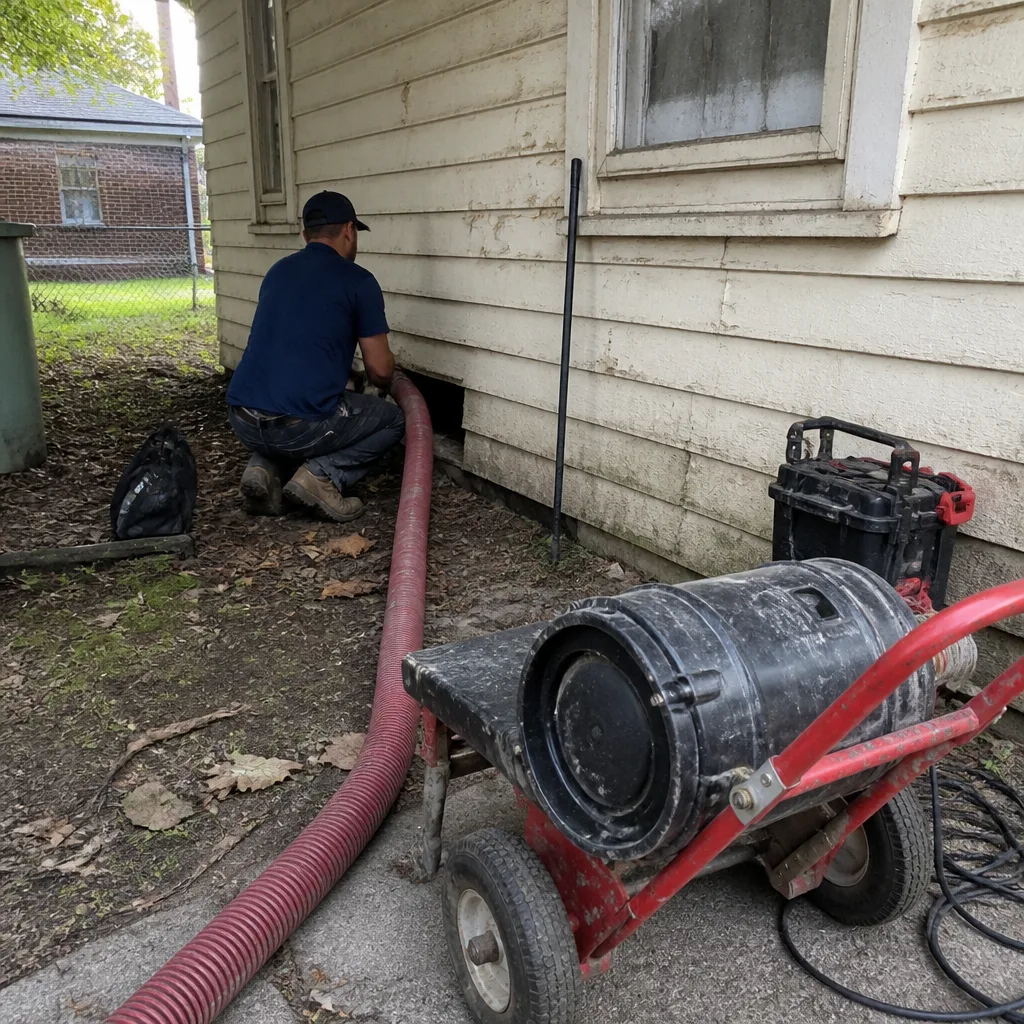 Before
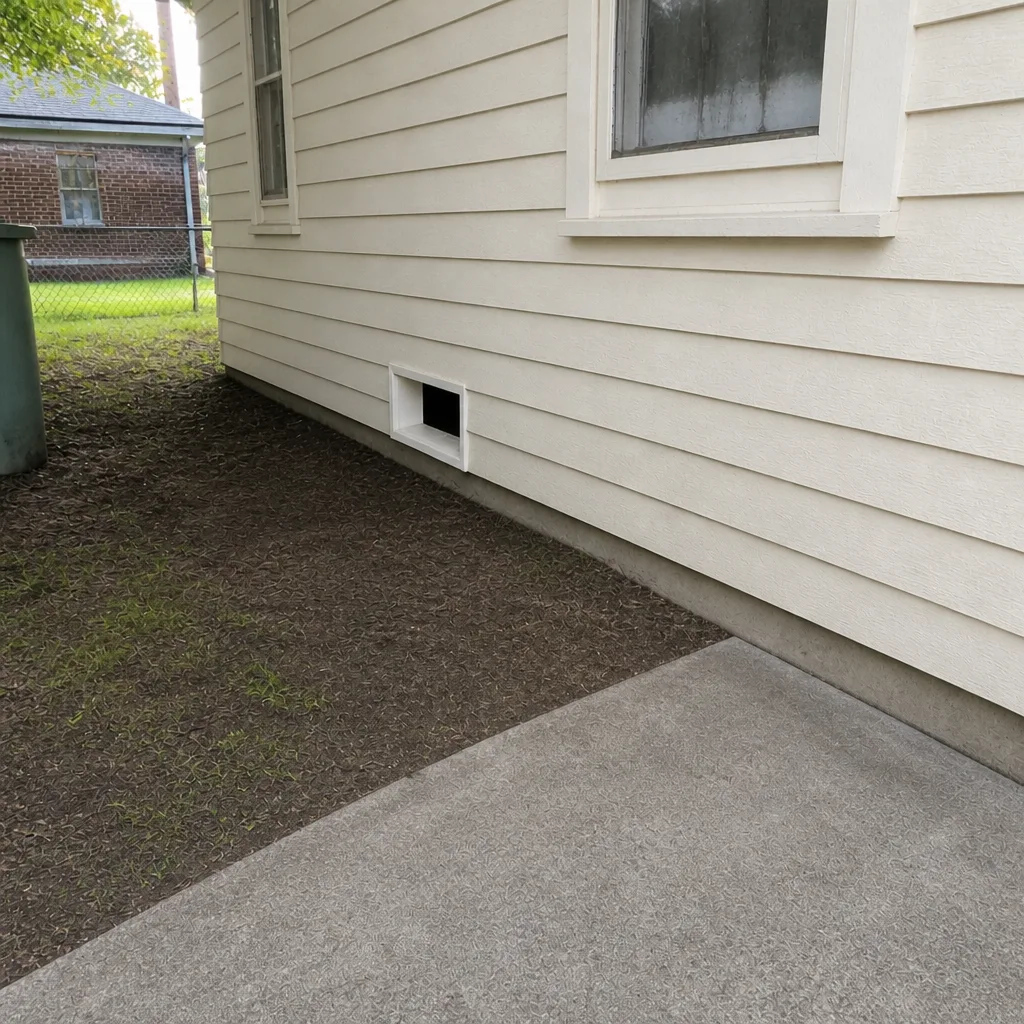 After
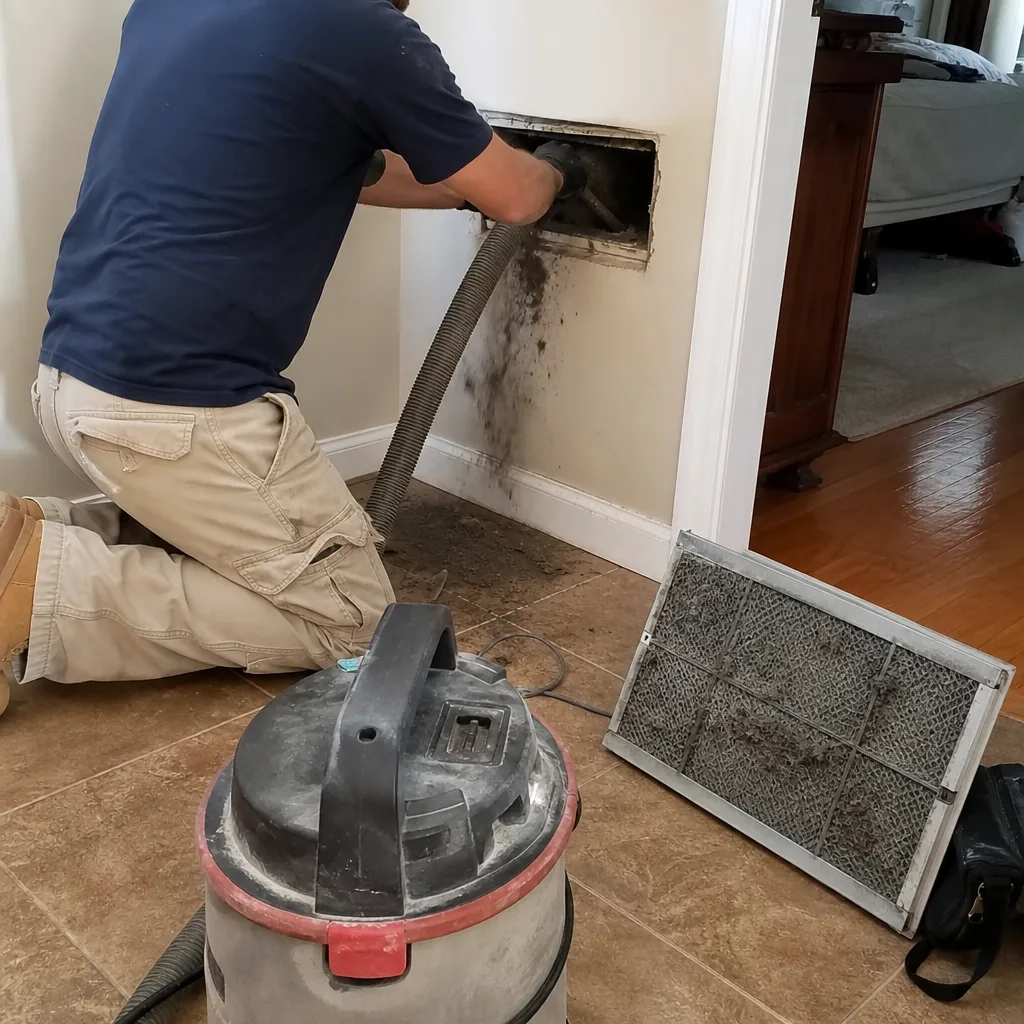 Before
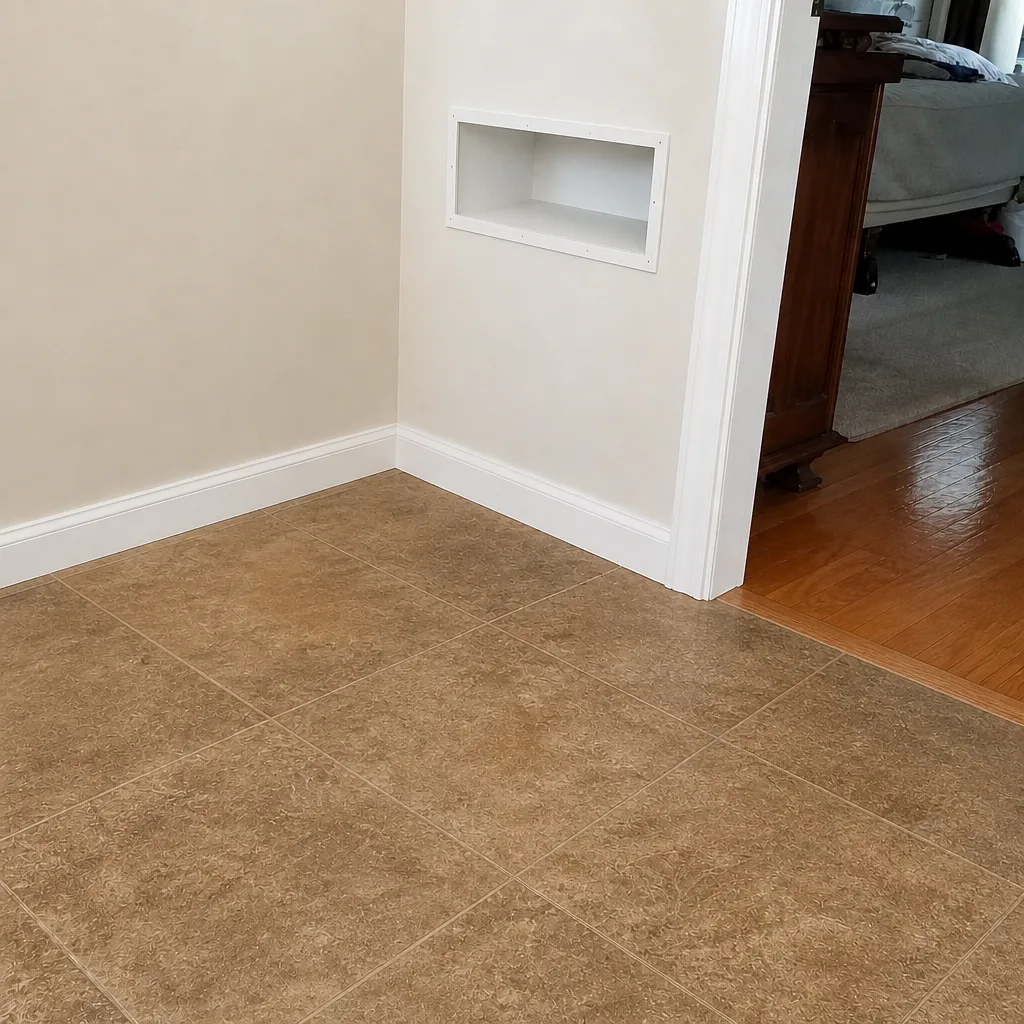 After
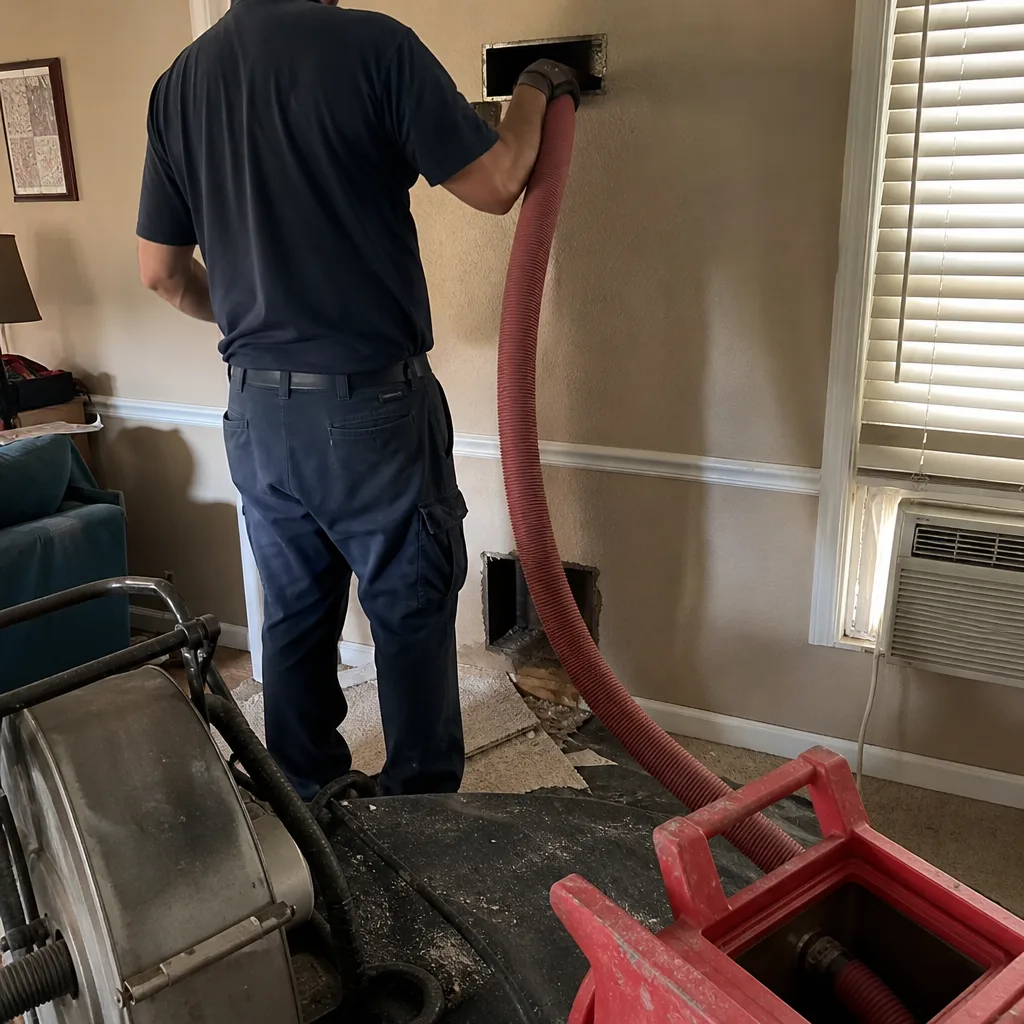 Before
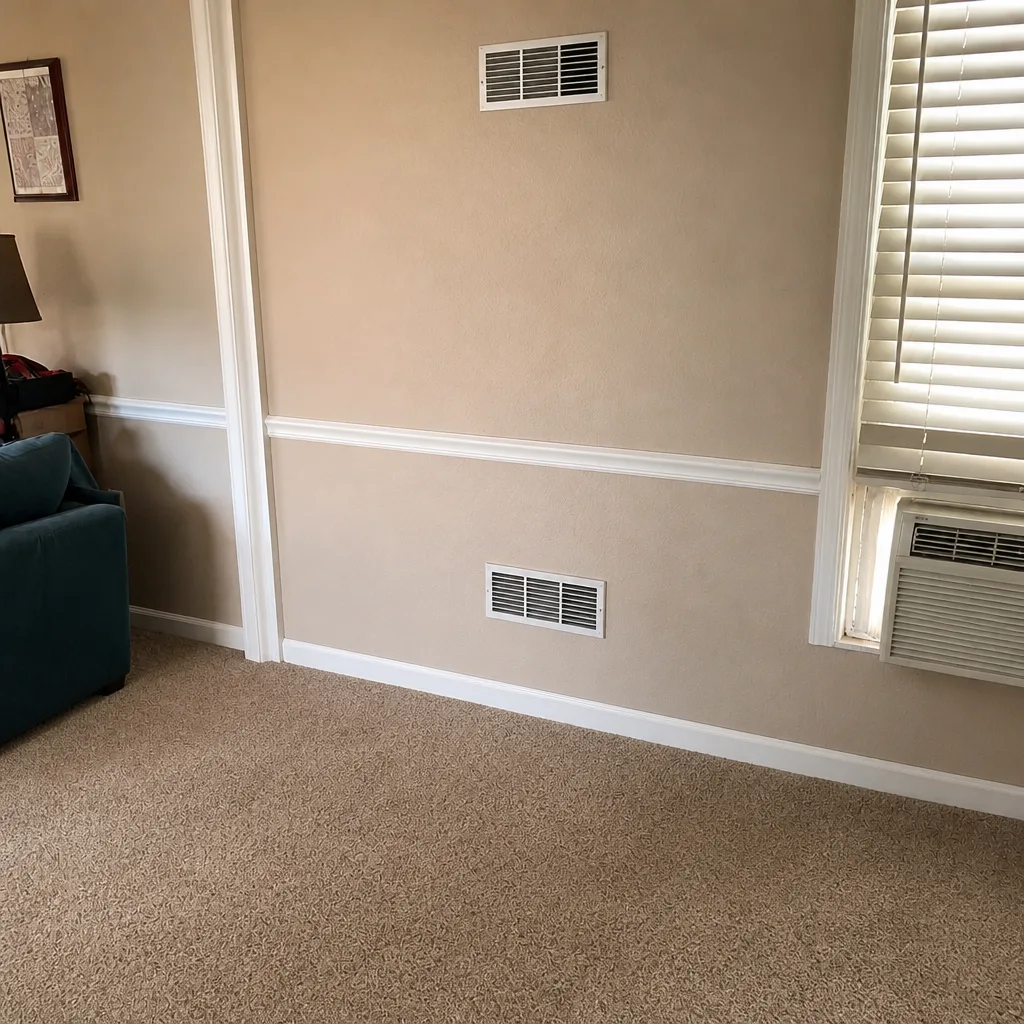 After
Building a Quote Comparison in Six Questions
Comparing duct cleaning quotes is easier when you ask every company the same thing. Here’s a simple checklist to run through before you sign anything.
- Is this a flat rate for the whole system, or per vent? Get the total if it’s per vent.
- Does the price include register removal and washing?
- What equipment will be used, and does it include negative pressure and source capture?
- Will I get before-and-after photos and a written report?
- What happens if you find damaged or disconnected ductwork?
- Is the price locked in before work starts, in writing?
A company that can answer all six clearly is worth talking to. One that dodges a question is telling you something. The written estimate sets the final price, and that’s the standard we work to: one flat price per system agreed before we start.
Common Mistakes to Avoid
- Comparing totals without comparing scope. Two $400 quotes can cover wildly different work. Always match line items before you match price.
- Booking a per-vent quote for a large home. In a Hermitage home with fifteen or more registers, the per-vent total almost always climbs past a fair flat rate.
- Assuming a lower price means a slower, cheaper job. Often it means less work: no containment, no brush contact, no register removal.
- Skipping the dryer vent while you have a crew out. It’s a fire-safety service and usually the cheapest part of the visit; ignoring it means another appointment later.
- Accepting an add-on without an assessment. Sanitizers and air-quality products should follow a diagnosis, not lead it. Ask what problem the add-on solves.
- Taking the invoice at face value with no documentation. Photos and a written report are how you know the work happened, especially on a crawlspace system you can’t inspect yourself.
- Ignoring duct repair after a cleaning. Cleaning a leaking system without sealing it leaves the exact energy loss and cross-contamination problem you hired someone to solve.
When to Call a Professional
Some air quality problems are obvious and some aren’t. Call a professional if you’ve recently finished a renovation and drywall dust has settled into the ducts, if rooms in your home heat or cool unevenly, if you notice musty odors when the system runs, or if your filters clog faster than they used to. Visible dust puffs at the registers, a dryer that takes longer to dry clothes, or a system that hasn’t been touched in years are all signs it’s worth an assessment. These aren’t jobs to improvise with a shop-vac, because doing it wrong can push contamination deeper into the system.
Hermitage Air Duct Cleaning offers free estimates in Hermitage. Call (855) 726-7834. We answer 24/7. Fast dispatch from 7am to 7pm, Sunday through Friday. The local professionals we connect you with are licensed and insured as their state requires, and you’ll see the price in writing before any work begins.
Frequently Asked Questions
Air duct cleaning in Hermitage is priced per system, not per vent, and the total depends on square footage, duct material, access points, and contamination level. A single-story home with an accessible attic system sits at the lower end; a two-story home over 2,500 square feet with crawlspace flex duct and post-renovation debris sits higher. The written estimate sets the final price, and it’s always a flat rate for the whole system. Call (855) 726-7834 for an exact quote; estimates are free.
A quote more than 40% below the typical market range almost always means cut scope: shop-vac-only cleaning, no negative-pressure containment, skipped register removal, or a teaser price that becomes a much larger invoice once the technician is on-site. The price isn’t the deal; the job is. Call (855) 726-7834 and we’ll walk you through what a full-scope quote should include.
You should get before-and-after photos of your own ducts and a written report of what was removed. That documentation is the difference between proof and a promise, and any company serious about the work will provide it. Ask for it in writing before you book. Call (855) 726-7834 to see what our documentation looks like.
There’s no universal schedule; it depends on your home, your system, and what’s happened in it. Post-renovation, after a system issue, or when you notice uneven airflow or musty odors are the strongest triggers. For most Hermitage homes, an assessment every few years is plenty, and a good company will tell you when you don’t need the work yet. Call (855) 726-7834 for a free assessment.
The per-vent model tends to favor smaller homes with fewer registers; flat-rate tends to favor average and larger homes. The way to know is to convert one to the other: count every supply and return, multiply, and compare against a flat rate for the same scope. If the total comes out similar, compare line items. Call (855) 726-7834 and we’ll help you read either kind of quote.
Yes, if your dryer vent hasn’t been cleaned in a while. It’s a fire-safety service, not an upsell, and it’s usually the least expensive line on an invoice. Lint buildup restricts airflow and creates a genuine hazard, and having it done during the same visit saves a separate appointment. Call (855) 726-7834 to add it to your estimate.
The Bottom Line
The price on your duct cleaning invoice should make sense when you break it apart, because every line pays for specific work: mobilization, labor, method, containment, and documentation. Compare quotes by scope before you compare them by total, and treat anything more than 40% below the market with real suspicion. A flat rate per system, agreed in writing with before-and-after photos afterward, is how you know you got the job and not just the price. Our technicians have up to 14 years of experience, and we work with professional-grade Rotobrush and Nikro systems because the equipment is what makes the difference. If you’re ready to see what a legitimate quote looks like, call (855) 726-7834 for a free estimate and we’ll walk you through every line.
Written by the team at Hermitage Air Duct Cleaning.