
Last updated November 24, 2026
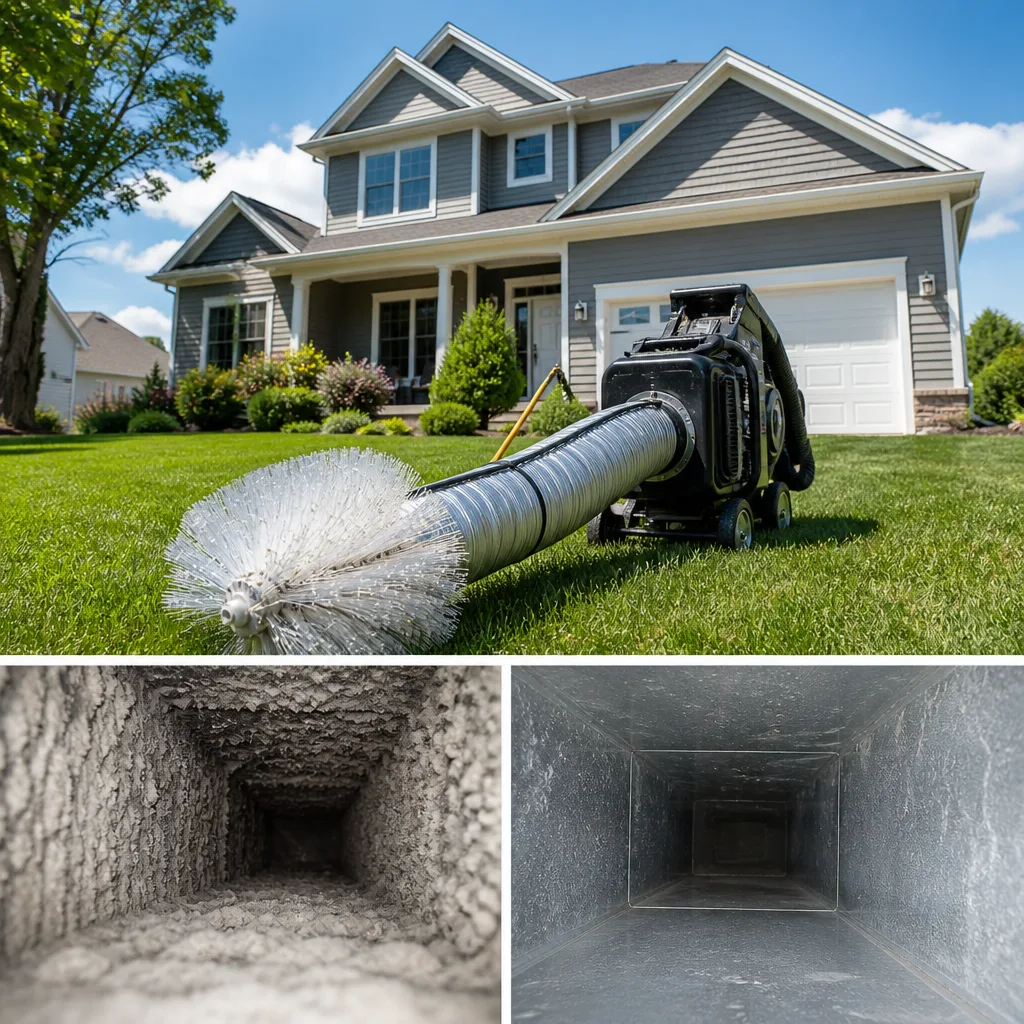 Whole-home duct cleaning
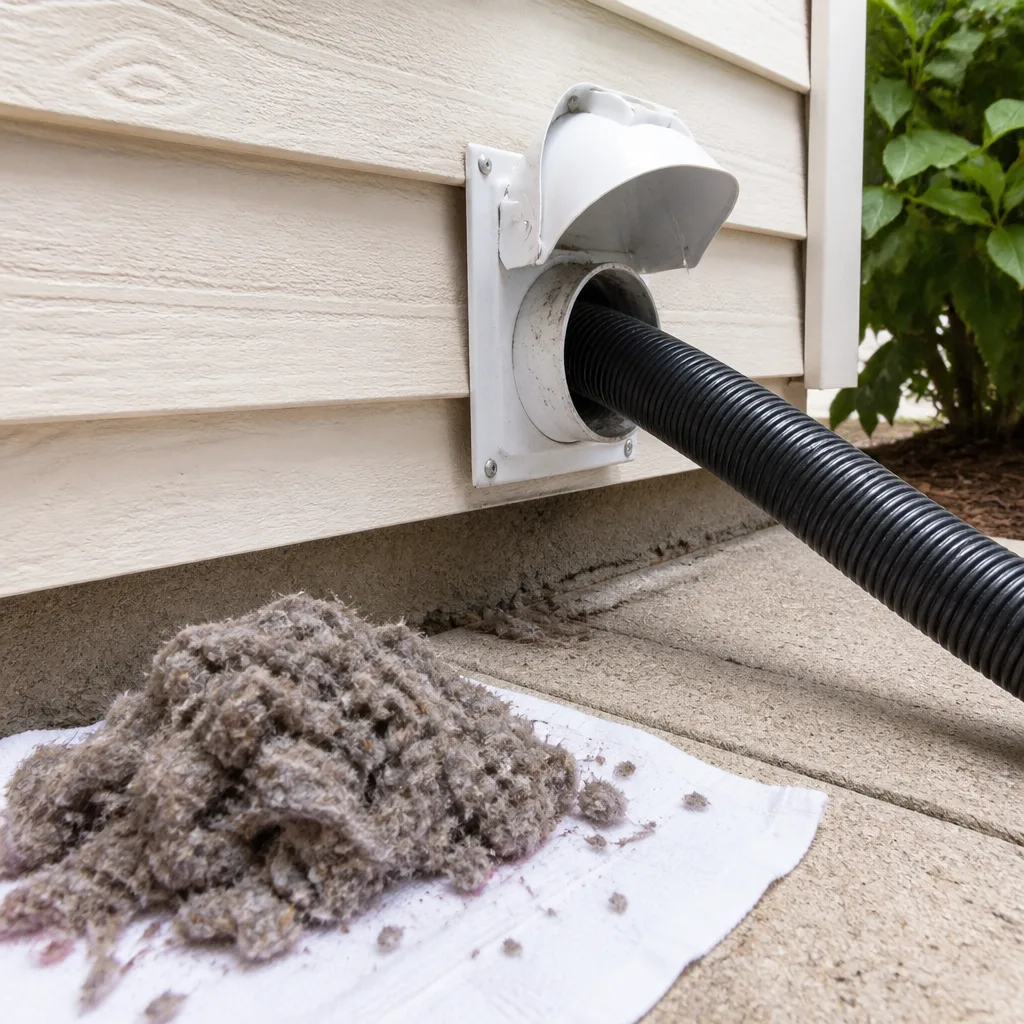 Dryer vent cleaning
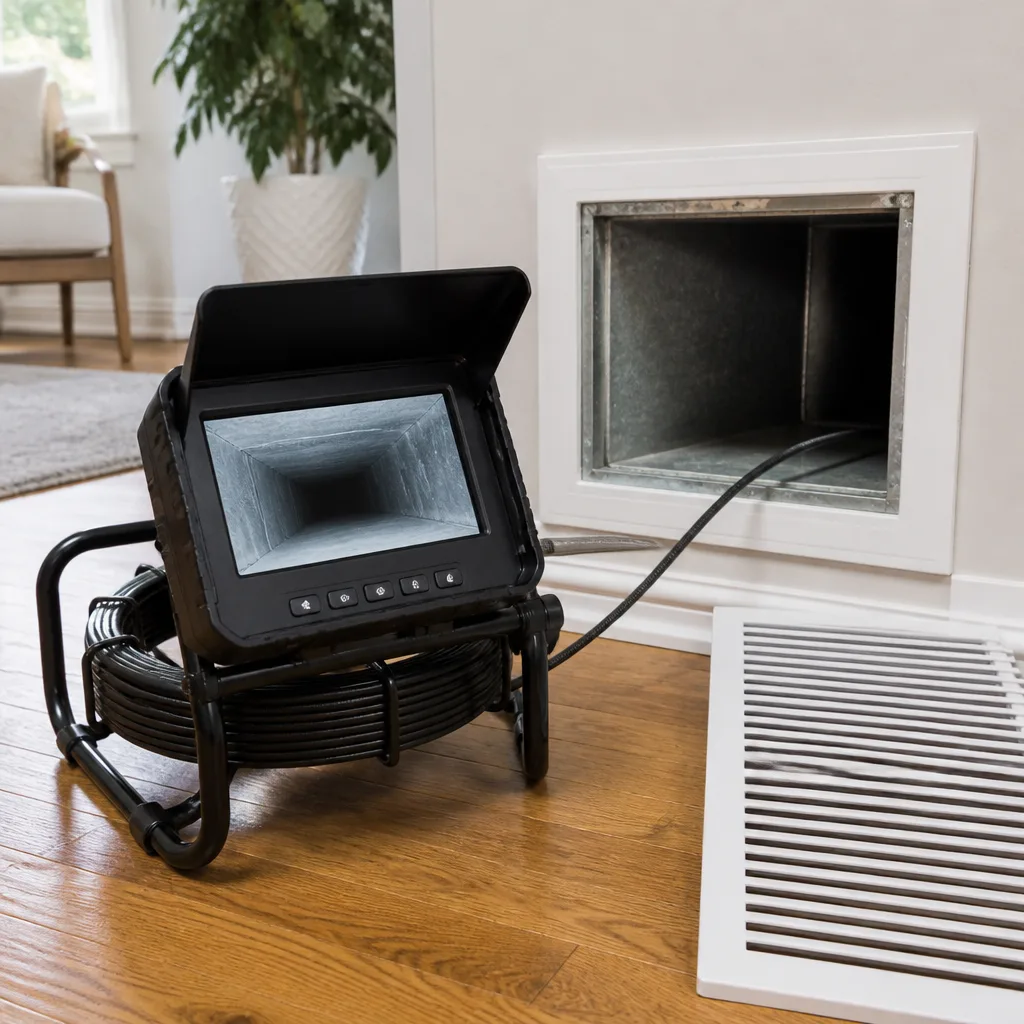 Camera inspection
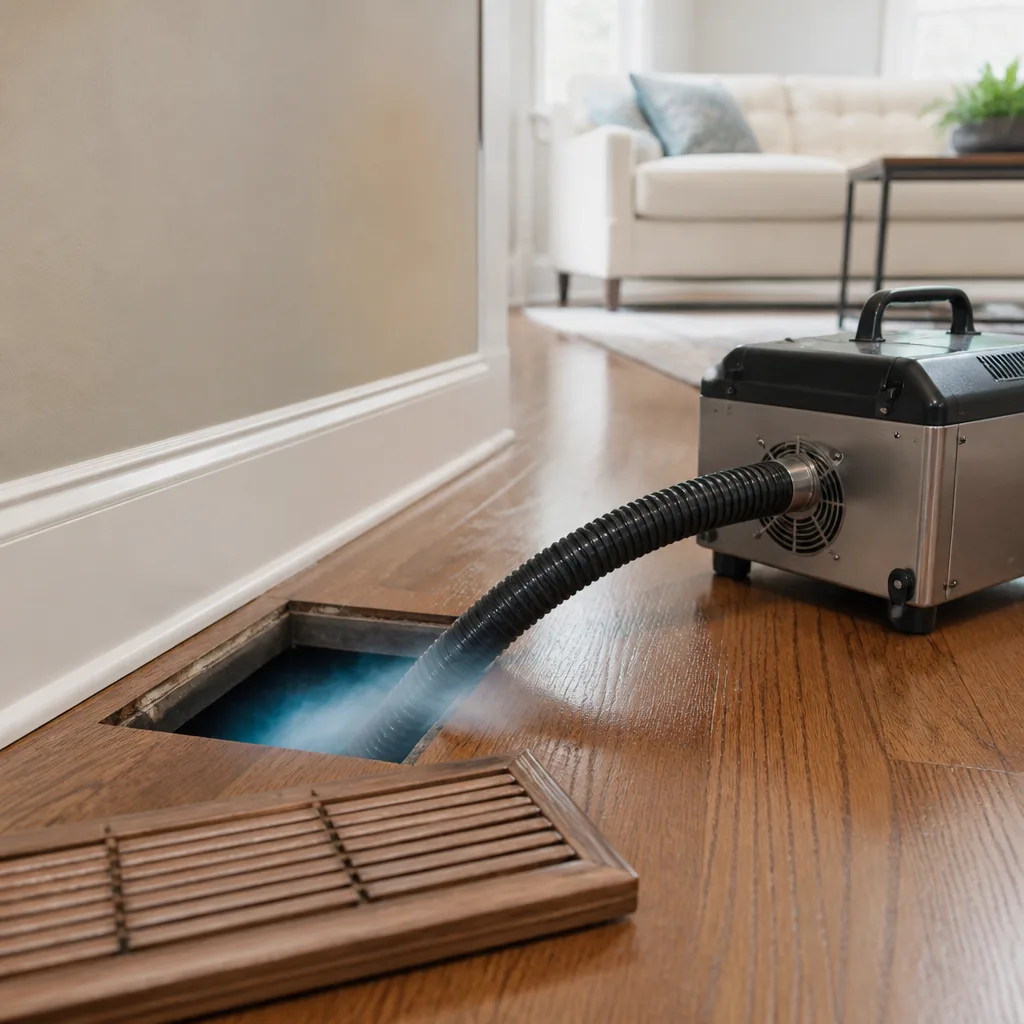 Sanitizing & deodorizing
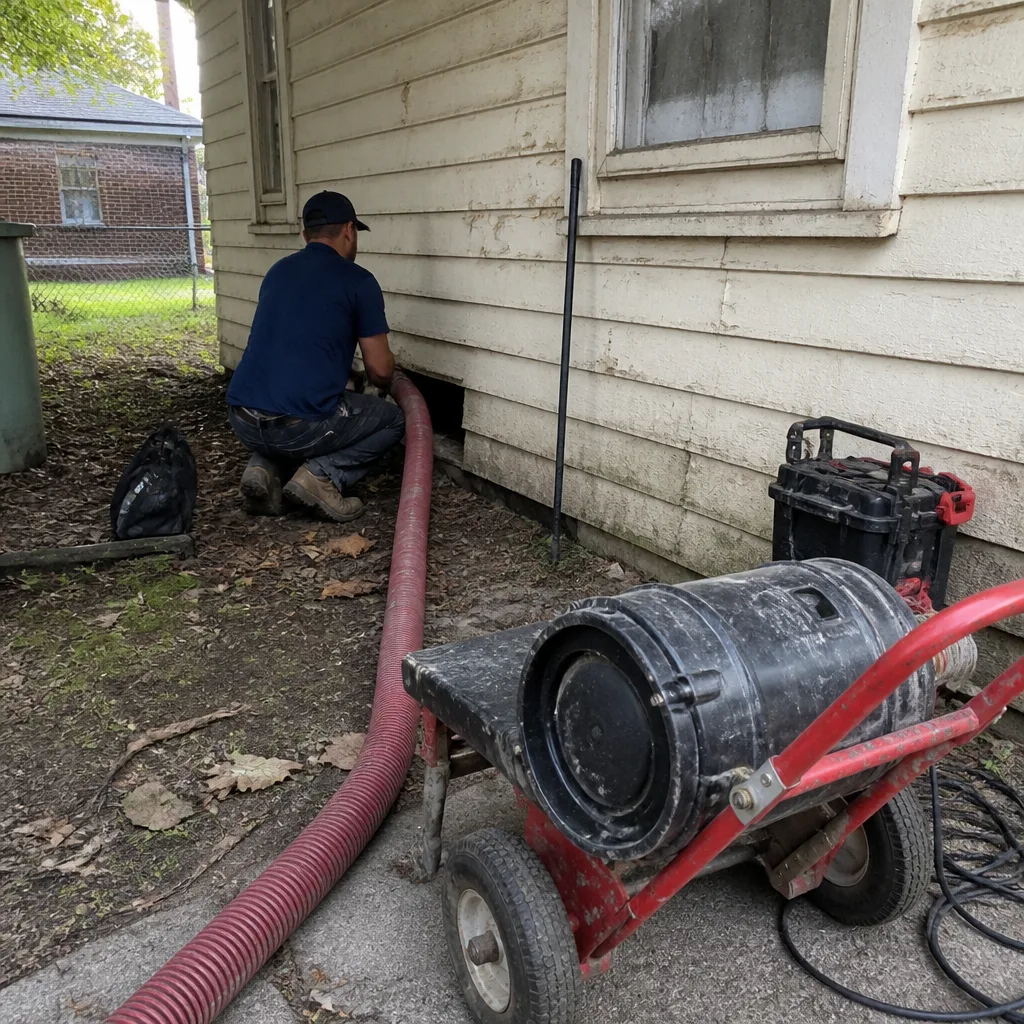
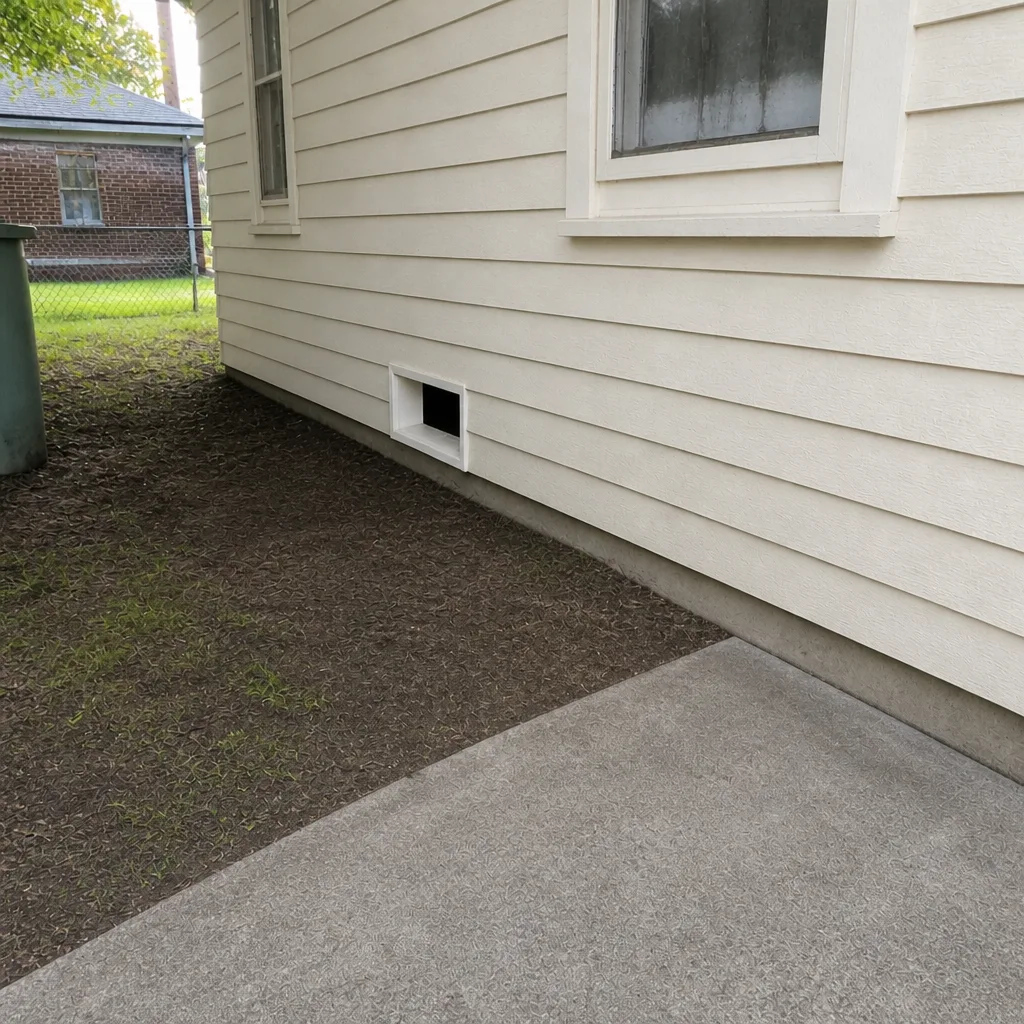
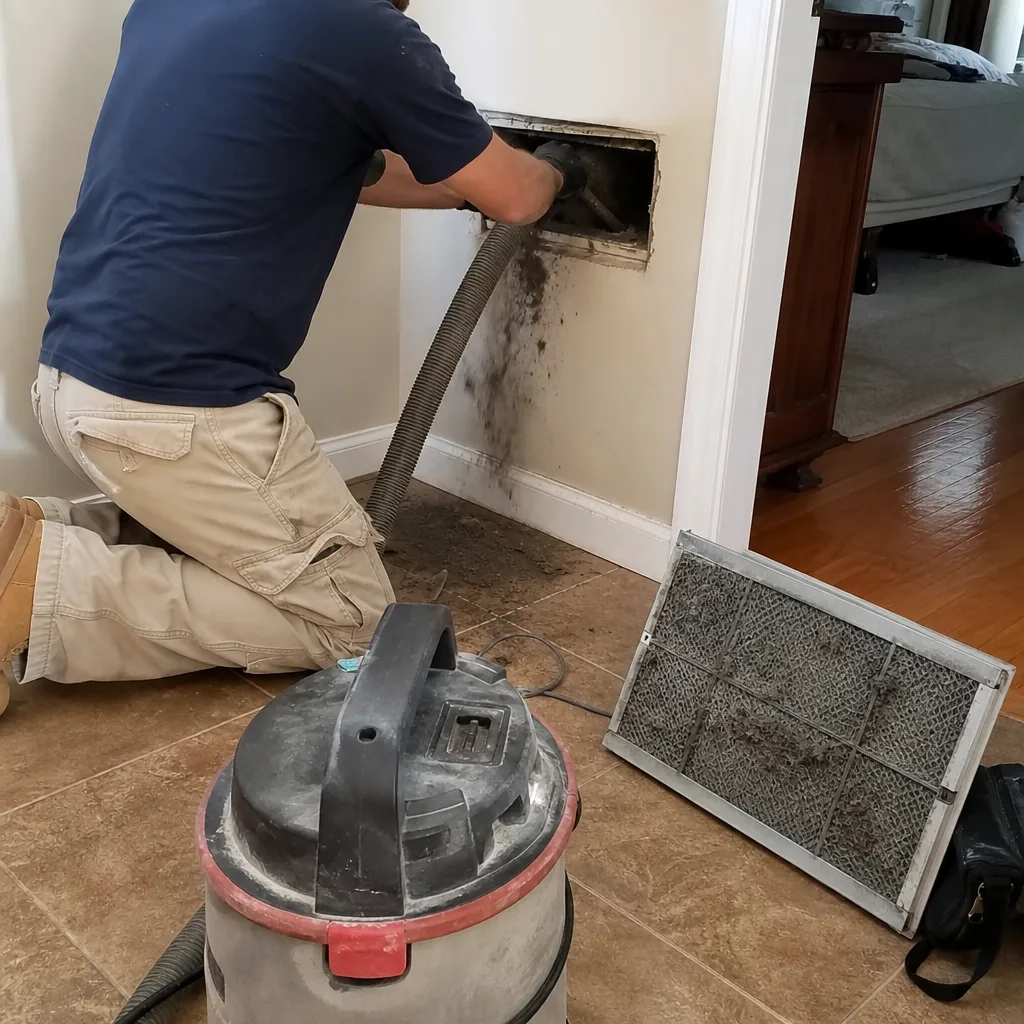
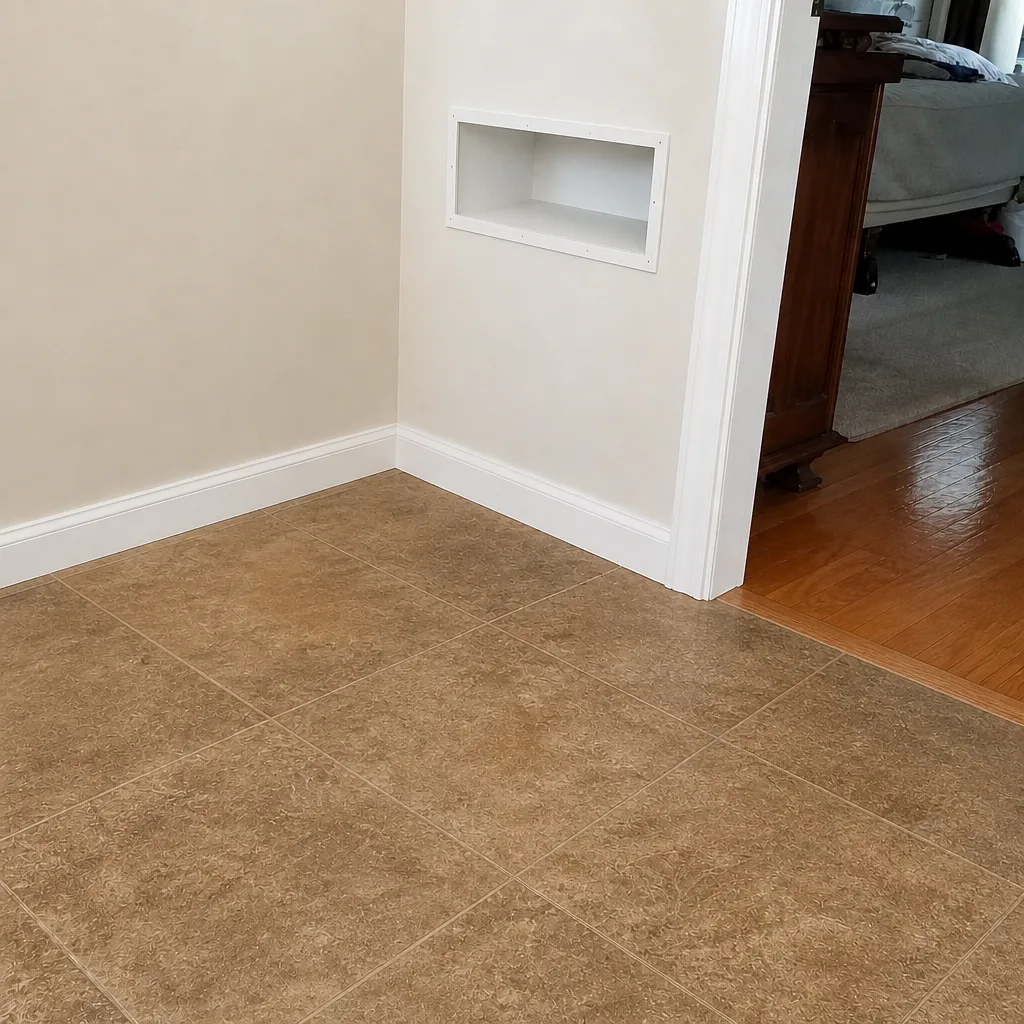
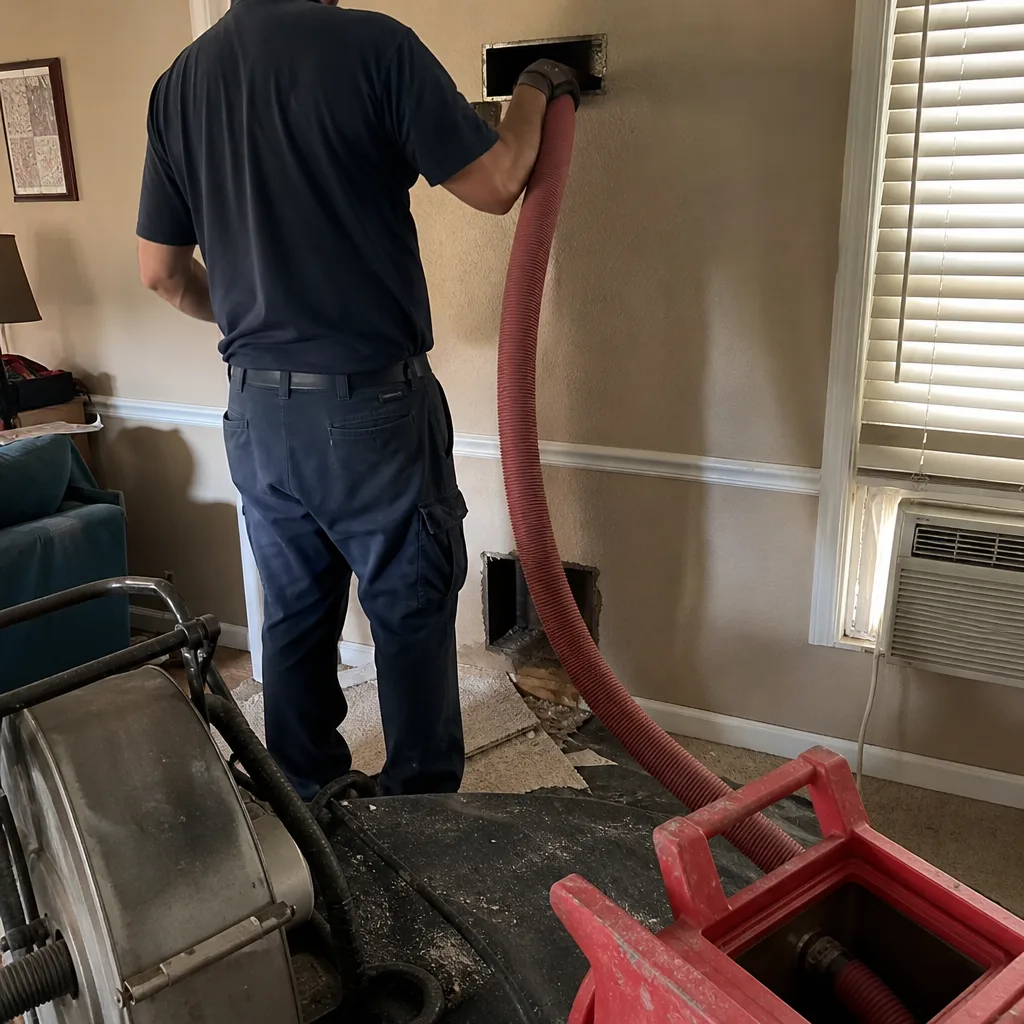
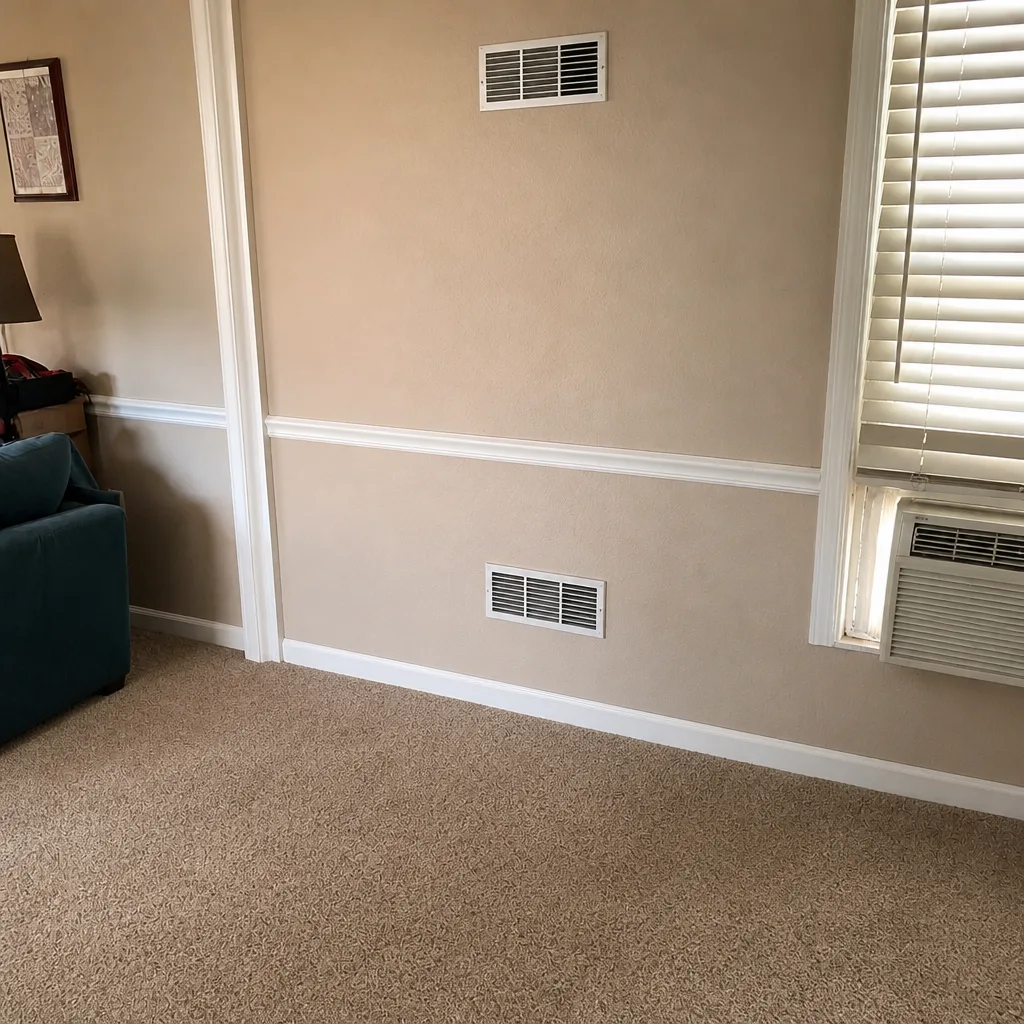
Whole-system duct and dryer vent check with before-and-after photos - you see exactly what came out of your vents
That "$99 whole-house special" is a bait ad - the real number appears once they are in your hallway, or the "clean" is a shop-vac at the register. We photograph the inside of your ducts before and after instead.
Seasonal Air Duct Cleaning Care for Hermitage: Year-Round Homeowner’s Guide
Most homeowners book duct cleaning in January because that’s when the coupons land in the mailbox and when “everyone does it.” That timing is backwards. Cleaning in the dead of winter means you’ve already pushed a full season of spring pollen and summer humidity through the system before anyone touches it. In Hermitage, the calendar of contamination runs on four distinct events, and each one leaves something different inside your ductwork. This guide maps a targeted response to each season, explains what to inspect and when, and shows you how to build a simple rolling log that tells you whether your home needs cleaning every year, every two years, or every three. Hermitage Air Duct Cleaning works on the full air pathway, so we’ll walk through the whole system, not just the vents.
Quick Answer
Air duct cleaning in Hermitage is best scheduled around the four local stress events rather than a single annual date: late spring after cedar and oak pollen peak, mid-summer when humidity and condensation are highest, early fall before heating startup, and the first week of heating season when accumulated debris gets distributed. Most homes need full-system cleaning every two to three years, with annual filter management and pre-season inspections in between. The right interval depends on your home’s pollen exposure, humidity, duct sealing, and how heavily the system runs.
Styles & brands we work with
- Whole-home duct cleaning
- Dryer vent cleaning
- Camera inspection
- Sanitizing & deodorizing
Table of Contents
- Why Seasonal Timing Matters More Than an Annual Date
- Spring: Pollen Infiltration Through Return Registers
- Summer: Humidity and Condensation in Flex Duct
- Fall: Debris Infiltration and the Pre-Heat Checklist
- Winter: The First 72 Hours of Heating Season
- Building a Rolling 12-Month Log
- How Often Should You Actually Clean?
- Common Mistakes to Avoid
- When to Call a Professional
- Frequently Asked Questions
Why Seasonal Timing Matters More Than an Annual Date
Duct contamination in Hermitage isn’t a steady drip. It arrives in pulses tied to what’s happening outside. Davidson County’s pollen calendar, the region’s summer humidity curve, the leaf drop in October, and the first cold snap that triggers furnace operation each create a specific window when a specific kind of debris enters or forms inside the air pathway. If you clean once a year on a fixed date, you’ll always be either early for one event or late for another.
Think of the system as a filter that runs year-round but only gets serviced on one arbitrary day. The dust and pollen that settle in June sit there through August humidity, which is exactly when moisture likes to bind them to duct walls. The leaf fragments that slip in through a loose return grille in October sit there until the blower pushes them into living spaces in December. A seasonal approach closes those gaps.
Here’s the core idea we build every recommendation around at Hermitage Air Duct Cleaning: air quality starts with what’s moving the air. The equipment matters, but so does the timing of when contamination enters and when it gets disturbed. A cleaning performed in the wrong season misses the biggest deposit of the year.
We use professional-grade equipment from Rotobrush and Nikro because it physically agitates and extracts debris rather than just pulling surface dust. But even the best equipment is only as good as the timing and the diagnostic work that precedes it. That’s why this guide is structured around the four seasons rather than around a product or a price.
Spring: Pollen Infiltration Through Return Registers
Spring in Hermitage brings a heavy pollen load, and cedar, oak, and grass pollen are the main contributors. That pollen enters your system the same way outdoor air does: through return registers and any gap in the building envelope that feeds the return side. A return grille drawing air across a room near an open window or a door that gets propped in mild weather does double duty as a pollen intake.
The return registers are the entry point, but the duct interior is where it settles. Fine pollen particles pass through standard filters more easily than larger dust and debris. Once inside, they coat the duct walls, the blower wheel, and the evaporator coil face. In humid weather that coating becomes a food source for microbial growth.
What to check before pollen season peaks:
- Filter rating and fit: a filter that’s too loosely sized lets air bypass the media entirely, so verify the fit in the slot, not just the MERV number on the package.
- Return grille condition: bent fins, loose frames, and gaps around the boot let unfiltered room air slip past the filter.
- Filter change interval during pollen months: expect to change more often in spring than in winter.
- Blower wheel appearance: a visibly dusty blower wheel is a sign that pollen and dust are already accumulating inside the air handler.
A filter upgrade done right can intercept a lot of spring pollen before it ever reaches the duct interior. The key is choosing the highest filtration level your system can move air through without excessive static pressure. Too high a MERV with a restrictive filter can starve airflow and strain the blower, so this is a decision to make with a technician who can measure it, not by picking the highest number on the shelf.
Spring is also the best time to have air duct cleaning performed if your system has already collected a winter’s worth of dust. Clearing the system before pollen season means the new season’s load lands on a clean surface rather than on top of old deposits.
Summer: Humidity and Condensation in Flex Duct
From June through August, Hermitage’s relative humidity often sits above 70%, and that number matters inside your ductwork as much as it does on the porch. When humid air meets a cold surface, condensation forms. In a properly insulated and sealed duct system, that cold surface is protected. In improperly insulated flex duct runs, especially those in unconditioned attics or crawl spaces, the duct jacket itself can drop below the dew point and sweat.
Condensation inside a duct is a serious problem because it turns dust into a damp film and creates conditions where mold can grow. It also degrades duct insulation over time, which makes the condensation worse the following summer.
What to inspect in summer:
- Flex duct insulation: check the outer jacket for tears, compression, or sagging runs where the inner liner may have collapsed.
- Vapor barrier integrity: look for gaps where the jacket meets the boot, the plenum, or the air handler.
- Condensate line and drain pan: a clogged drain can back moisture into the system; check for standing water near the air handler.
- Duct runs in attics and crawl spaces: these are the highest-risk locations for condensation because they see the biggest temperature differential.
- Return duct sealing: a leaking return in a humid attic pulls moist air straight into the system.
This is where duct repair and sealing becomes a seasonal service, not just a repair. Companies that only clean and leave will vacuum a duct and never notice that the jacket is torn or that the return boot is loose. Sealing closes that loop so the summer humidity stays outside where it belongs.
We also install and service Honeywell and Aprilaire whole-home IAQ products, which can help manage indoor humidity and filtration beyond the cleaning visit. If summer moisture is a recurring problem in your Hermitage home, a whole-home dehumidification or filtration solution addresses the cause, while cleaning addresses what’s already inside. For system-wide work on the air handler and coils, start with HVAC cleaning.
Fall: Debris Infiltration and the Pre-Heat Checklist
Fall is when outdoor debris finds its way in. Leaves, seed pods, and fine grit enter through poorly sealed boots, damaged return grilles, and any gap where the duct system meets the building envelope. A return grille in a garage, a crawl space register, or an attic boot that’s come loose is a direct path for whatever the wind delivers. In Hermitage, the leaf drop in October and November is heavy, and the debris doesn’t stop at the grille.
This is also the season when you’re about to transition from cooling to heating, which means a different part of the system starts running. The furnace heat exchanger, the flue, and the return path all become active again. That’s why the pre-heat checklist matters.
Pre-heat checklist before you switch the thermostat to heat:
- Replace the filter, and note the date you changed it in your log.
- Inspect every visible return grille for debris, bent fins, and looseness.
- Check accessible duct boots and connections for gaps, tearing, or disconnected runs.
- Look at the area around the furnace or air handler for dust accumulation, which can indicate a leak or a dirty blower.
- Schedule a full-system cleaning if your last one was more than two years ago, or if you’ve had recent renovation dust in the home.
- Have the furnace or heat pump inspected by a qualified technician before first use.
If you’ve recently finished a renovation, a fall cleaning is essential. Drywall dust and construction particles are fine enough to travel through the entire system and settle everywhere. That’s a situation where Abatement Technologies source-capture equipment makes a real difference, because it’s designed to capture contamination at the source rather than just recirculate it.
Fall is also when dryer vent cleaning makes the most sense for many households. Lint accumulates in the dryer vent year-round, but fall and winter are when the dryer runs more often. Clearing it is a fire-safety measure, not an upsell, and it’s one of the reasons we treat the entire air pathway as a single system.
Winter: The First 72 Hours of Heating Season
The first three days of heating season are the highest-risk window of the year for distributing accumulated debris. Here’s why: the debris that settled into the ductwork during the cooling season sits relatively undisturbed while the system runs in cooling mode with lower air velocity and a different temperature profile. When the heat comes on, the blower speed changes, the air temperature rises, and the system can lift settled dust off duct surfaces and push it into every room.
Homeowners often notice this as a burst of dust on furniture or a musty smell in the first week of heating. That’s not a new problem appearing. It’s an old problem being redistributed.
How to prepare before turning on the heat:
- Do the fall pre-heat checklist first: filter, grilles, boots, and blower inspection.
- If your last full-system cleaning was more than two years ago, schedule it before startup, not after.
- Run the fan on low for a few hours to move air without driving settled debris at full blower speed.
- Watch for dust patterns near supply registers in the first week, which can indicate duct leaks.
- Keep a note of any odors that appear when the heat first comes on. A musty smell points to moisture issues; a burning smell points to a heating component issue that needs a technician immediately.
Winter cleaning isn’t about the heating itself. It’s about managing what the heating distributes. A system that’s been cleaned and sealed before startup will deliver the heat without carrying the debris from the previous seasons into the living space.
If your system has contamination from a renovation, a moisture event, or years of accumulation, Abatement Technologies equipment gives us remediation-grade source capture, which is the right approach for homes with mold concerns or post-construction contamination. We don’t just vacuum the surface; we work to capture the source.
Building a Rolling 12-Month Log
The question of how often to clean your ducts has a data-driven answer: it depends on your home. A log tells you what your home’s specific data looks like. We recommend a single sheet or note file with five columns, updated throughout the year.
- Date and season of each filter change.
- Filter appearance: color, debris type you can see (pollen is fine and yellow-green, construction dust is gray-white, dark dust may point to moisture or burning).
- Observations: visible dust near supply registers, odor when the system starts, condensation or moisture near the air handler.
- Weather or events: pollen season start, high-humidity weeks, renovation work, leaf drop, first cold snap.
- Services performed: cleaning dates, repairs, sealing, IAQ product installs.
After one full cycle, the log tells you the story. If your filter turns dark within two weeks of changing it in spring and dust reappears quickly after a cleaning, you’re likely on a one-year cycle. If the pattern is modest and stable, you can stretch to two or three years. If you see moisture indicators or repeated odors, you move up to an annual inspection regardless of the cleaning interval.
This log is also useful for any technician who works on your system. A clean record of when the system was last serviced, what was observed, and what was repaired is more valuable than guessing. We encourage every Hermitage homeowner we work with to keep one.
The log saves money over time because it replaces guesswork with a schedule tied to what your system actually does. It also gives you a clear basis to decide between cleaning, sealing, or an IAQ upgrade.
How Often Should You Actually Clean?
Most homes in Hermitage fall into a two-to-three-year cycle for full-system cleaning, with annual filter management and pre-season inspections in between. The exceptions are homes with pets, recent renovations, moisture problems, or occupants with respiratory sensitivities, where annual cleaning is often the right answer.
The deciders are straightforward:
- Pollen exposure: homes near tree cover or with windows open frequently in spring collect more pollen and may need annual cleaning.
- Humidity and moisture: any history of condensation in the duct, mold odor, or standing water near the air handler pushes toward annual inspection and possible cleaning.
- Duct sealing: leaky ducts pull outdoor air and debris into the system, so sealing often lengthens the interval between cleanings.
- Renovation history: any renovation in the last two years usually warrants a full-system cleaning regardless of the calendar.
- Air quality goals: homes with an IAQ product like a whole-home filtration or humidity system benefit from cleaning to keep that equipment working as designed.
We’ve seen homes where the interval could safely stretch to three years, and we’ve seen homes where annual cleaning was clearly the right answer. The log makes the distinction obvious. If you’re unsure, a free assessment from Hermitage Air Duct Cleaning at (855) 726-7834 will tell you where the system stands.
Common Mistakes to Avoid
- Cleaning once a year on a fixed date. A fixed schedule ignores the seasonal pulses that drive contamination and often misses the biggest deposit of the year.
- Skipping the pre-heat checklist. Turning on the heat without checking the filter, grilles, and boots pushes old debris into every room in the first week.
- Picking a filter by MERV number alone. A high-MERV filter in the wrong slot can restrict airflow and strain the blower. Fit and system compatibility matter as much as the rating.
- Cleaning but not sealing. Vacuuming a leaky duct system leaves the gaps that let debris back in. Repair and sealing is the part that holds the clean result.
- Ignoring summer condensation. A duct that sweats in July is a moisture problem, not a dust problem. Cleaning without addressing the insulation or seal won’t fix it.
- Skipping the dryer vent. Lint is a fire-safety issue. Homeowners who clean ductwork often don’t think to have the dryer vent cleaned on the same schedule.
- Treating a renovation cleanup as a routine cleaning. Construction dust requires source-capture equipment and a different approach than a standard cleaning.
When to Call a Professional
Call a professional when you notice visible dust blowing from supply registers, a musty or unpleasant odor when the system starts, condensation or moisture near the air handler, or a noticeable drop in airflow. Call sooner if you’ve had a renovation, a water intrusion, or visible mold anywhere in the system. And call if your ducts are older than the rest of your home’s HVAC system, since older ductwork often has sealing and repair needs that cleaning alone won’t address.
For annual maintenance, a qualified technician can inspect the full pathway, identify leaks and moisture issues, and recommend whether you need cleaning, sealing, or an IAQ upgrade. Hermitage Air Duct Cleaning offers free estimates in Hermitage – call (855) 726-7834. We clean the system, not just the vents, and we repair and seal what needs closing.
Frequently Asked Questions
Air duct cleaning in Hermitage is priced per system by written estimate, not per vent, and the estimate we provide is free. The final price depends on the size of the system, the number of branches, whether duct repair and sealing are needed, and whether sanitation or IAQ products are involved. Call (855) 726-7834 for an exact quote – estimates are free.
Lower quotes usually cover less: a quick vacuum of the visible vents or a partial pass without equipment that agitates and extracts debris from the full duct interior. That’s the bait-and-switch pattern homeowners worry about, and the way to avoid it is to ask what the quote includes, whether it covers the whole system, and how the work will be documented. Our answer is one flat price per system agreed before work starts, and before-and-after photos of your own ducts.
You should see before-and-after photos of your own ducts, and a technician should walk you through what was found during the inspection. Rotobrush contact-cleaning systems agitate the duct surface, and Abatement Technologies source-capture equipment holds the debris during extraction; both allow for photo documentation. Ask for the photos before you pay.
Most homes here do well on a two-to-three-year cycle, and homes with pets, recent renovations, moisture issues, or respiratory concerns often need annual cleaning. The best way to decide is a rolling log of filter changes and observations; after one year you’ll see your home’s actual pattern. Call (855) 726-7834 for a free estimate.
It’s better to clean before, not after. The first 72 hours of heating season are when accumulated debris is most likely to be distributed through the home. If your last cleaning was more than two years ago, schedule it before the first cold snap rather than after.
Regular cleaning addresses the ducts. A full-system approach also covers the air handler, the coils, the blower, duct repair and sealing, and the dryer vent. That’s the approach we take at Hermitage Air Duct Cleaning, using Rotobrush and Nikro equipment and working with Honeywell and Aprilaire IAQ products. Call (855) 726-7834 for a free estimate.
The Bottom Line
Seasonal timing beats a fixed annual date every time. In Hermitage, the four contamination events – spring pollen, summer humidity, fall debris infiltration, and winter heating startup – each call for a specific response, and a rolling 12-month log tells you whether your home needs cleaning every year, every two years, or every three. Keep the filter right, inspect the system before each season, repair and seal the leaks rather than cleaning around them, and remember that air quality starts with what’s moving the air. If you want a clear answer for your own home, we’re here to help.
Ready to schedule a seasonal assessment? Call (855) 726-7834. We answer 24/7. Fast dispatch from 7am to 7pm, Sunday through Friday. One flat price per system, agreed before work starts, with before-and-after photos of your own ducts. The estimate is free.
Written by the team at Hermitage Air Duct Cleaning.
See the difference
 Before
 After
 Before
 After
 Before
 After