
Last updated November 24, 2026
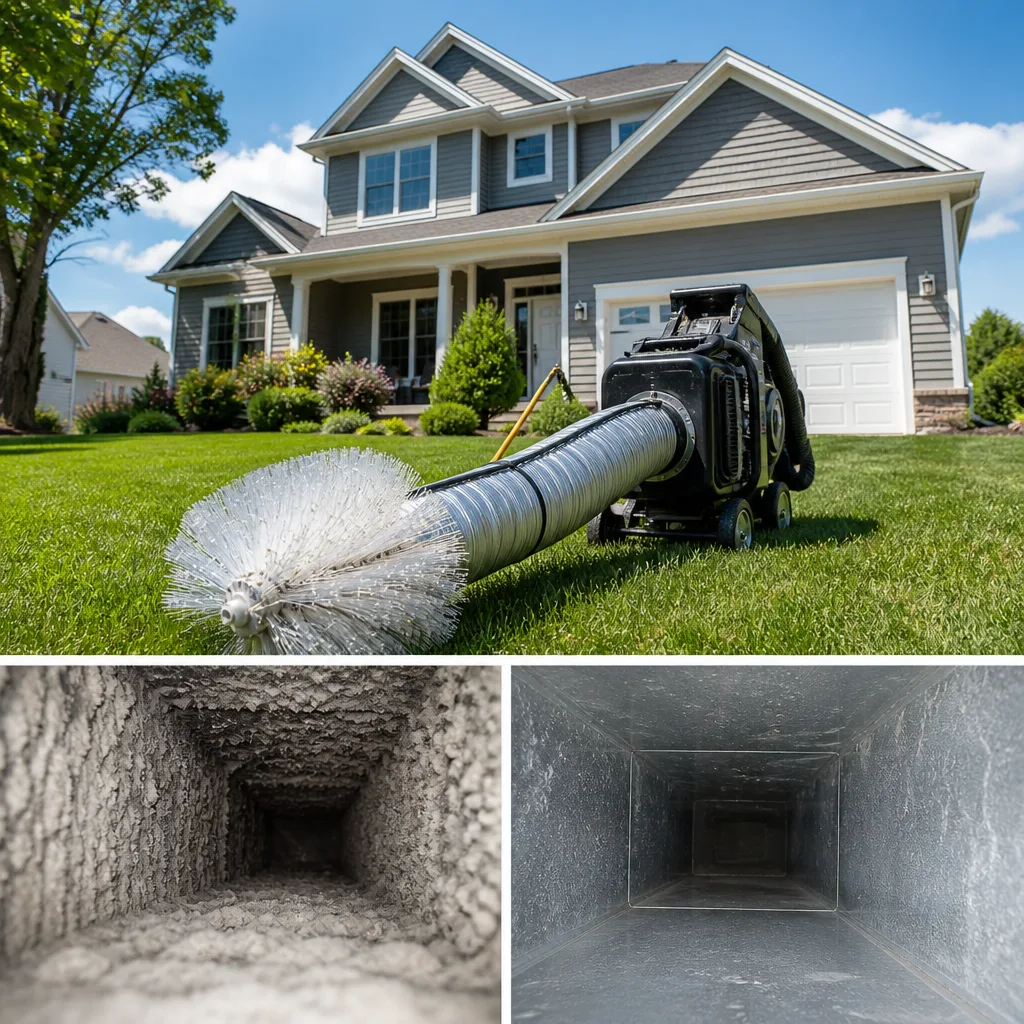 Whole-home duct cleaning
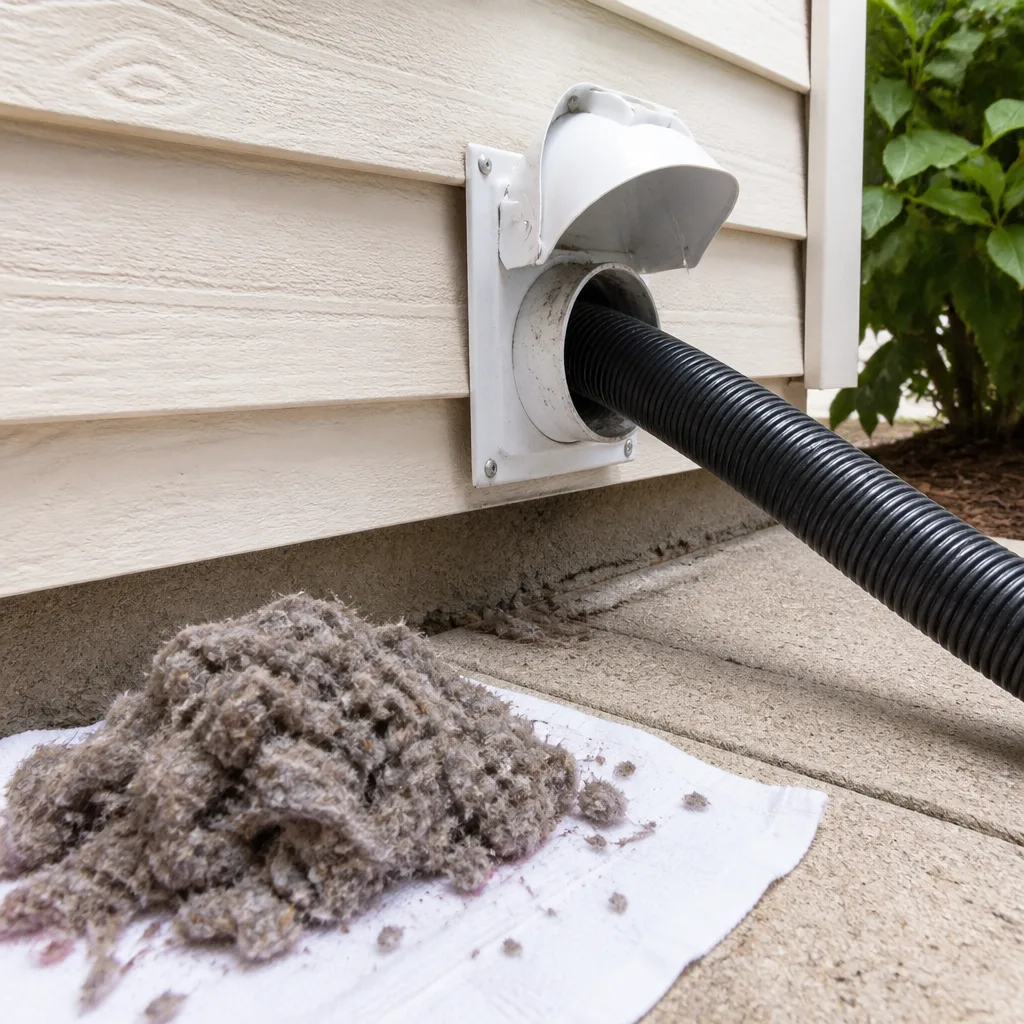 Dryer vent cleaning
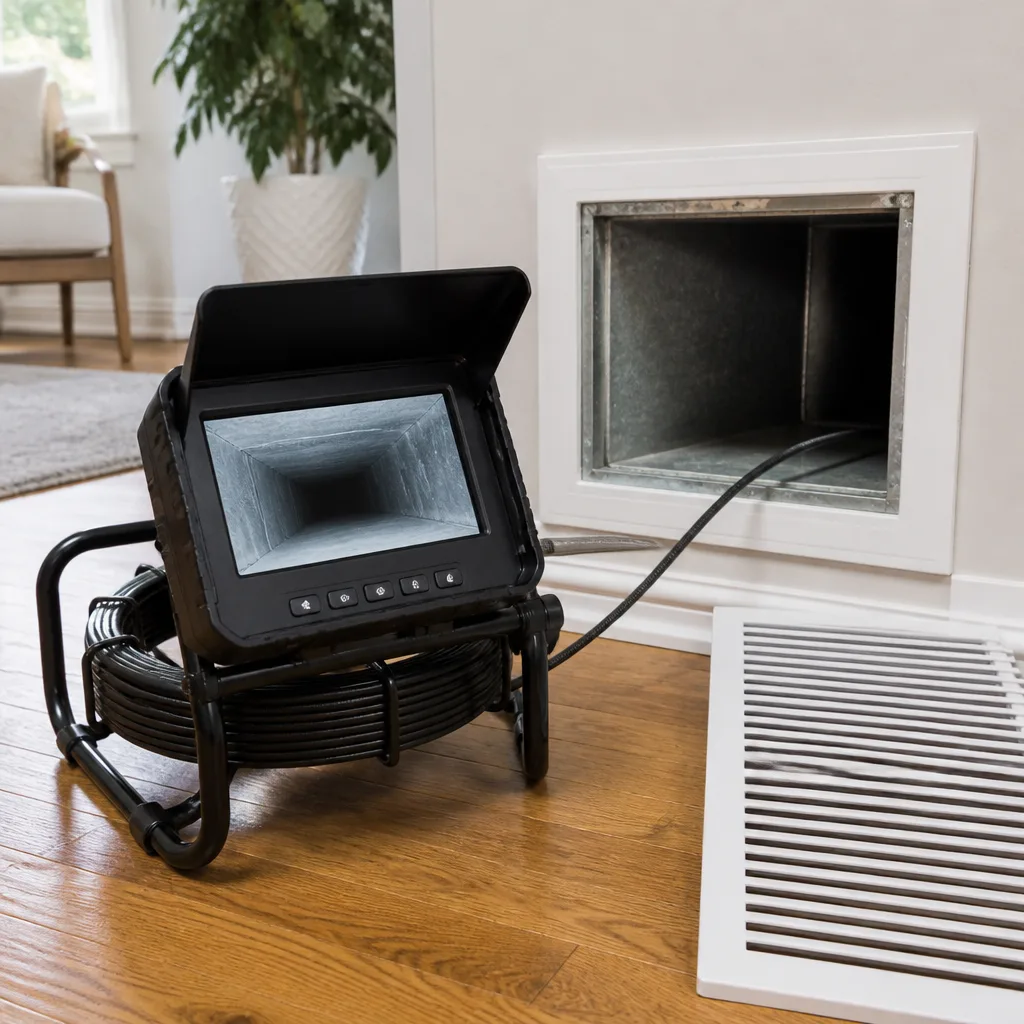 Camera inspection
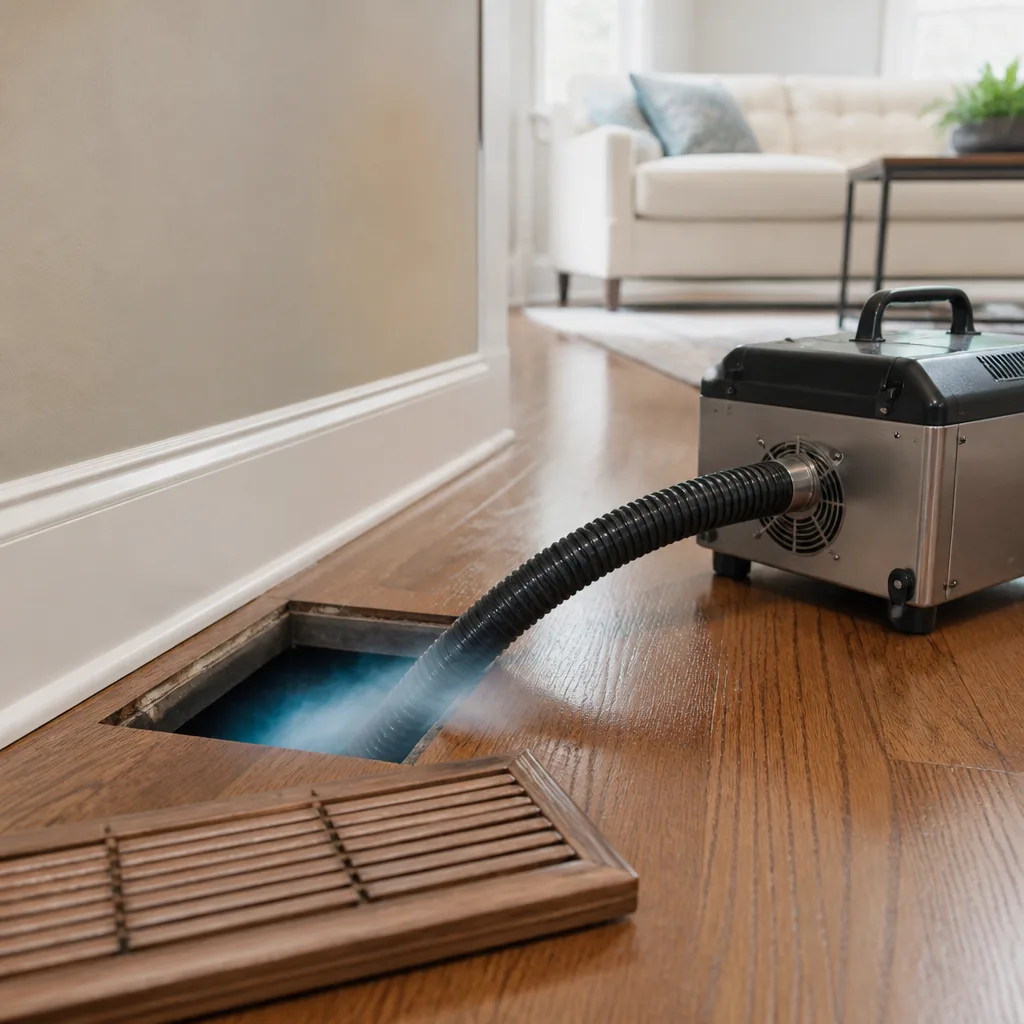 Sanitizing & deodorizing
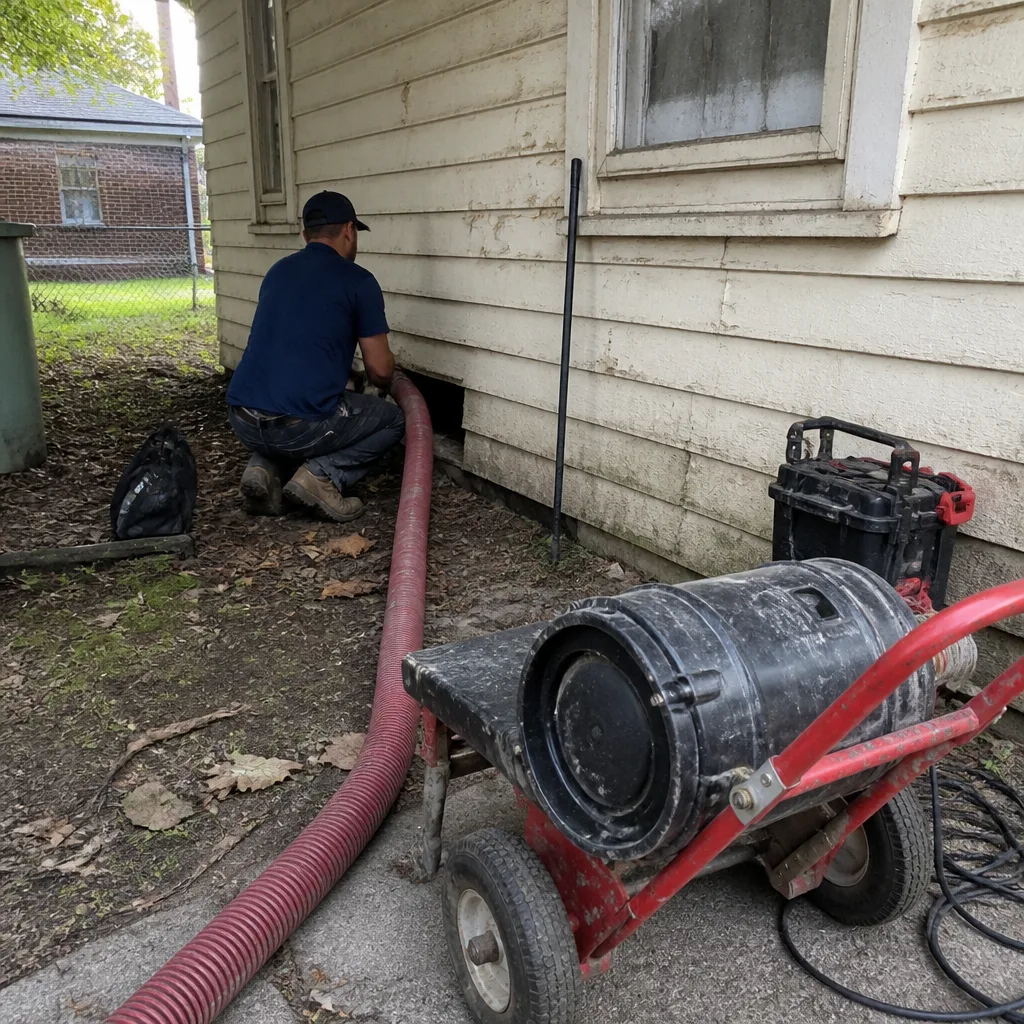
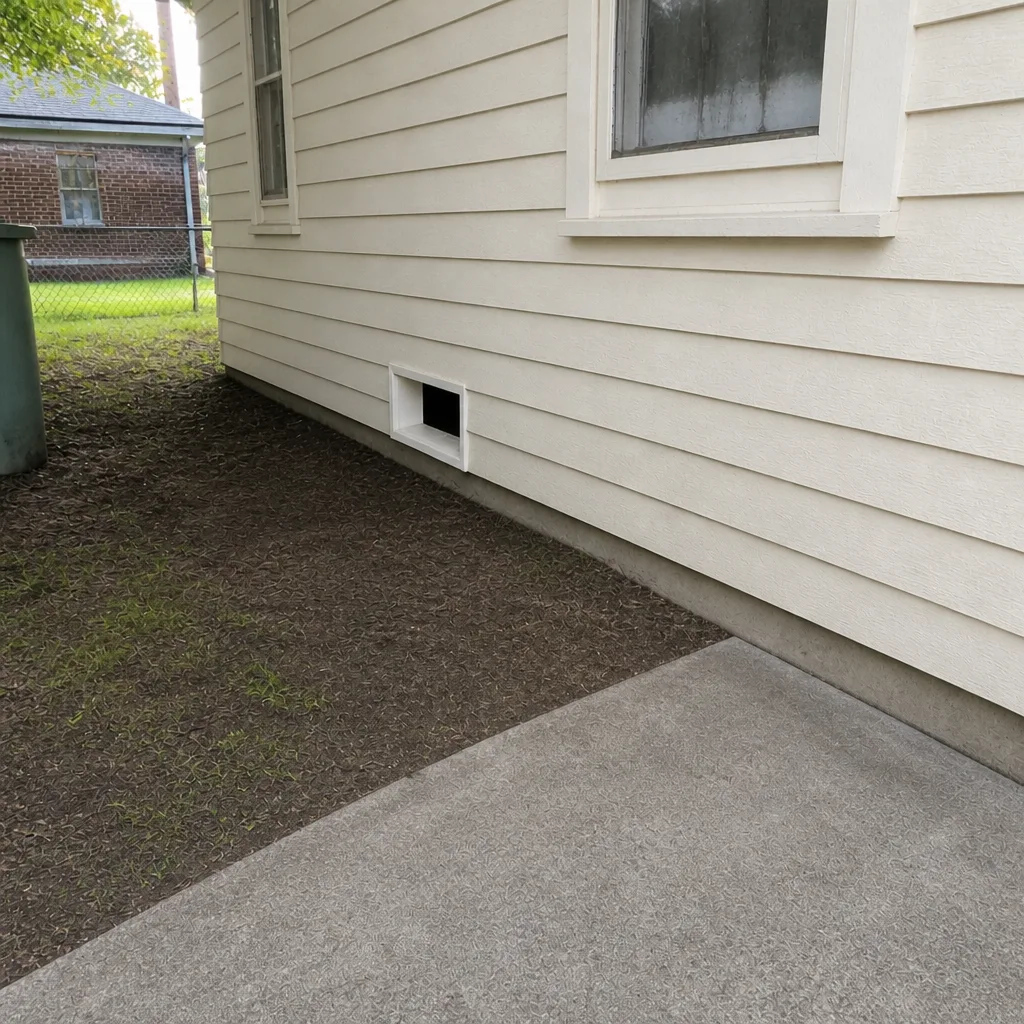
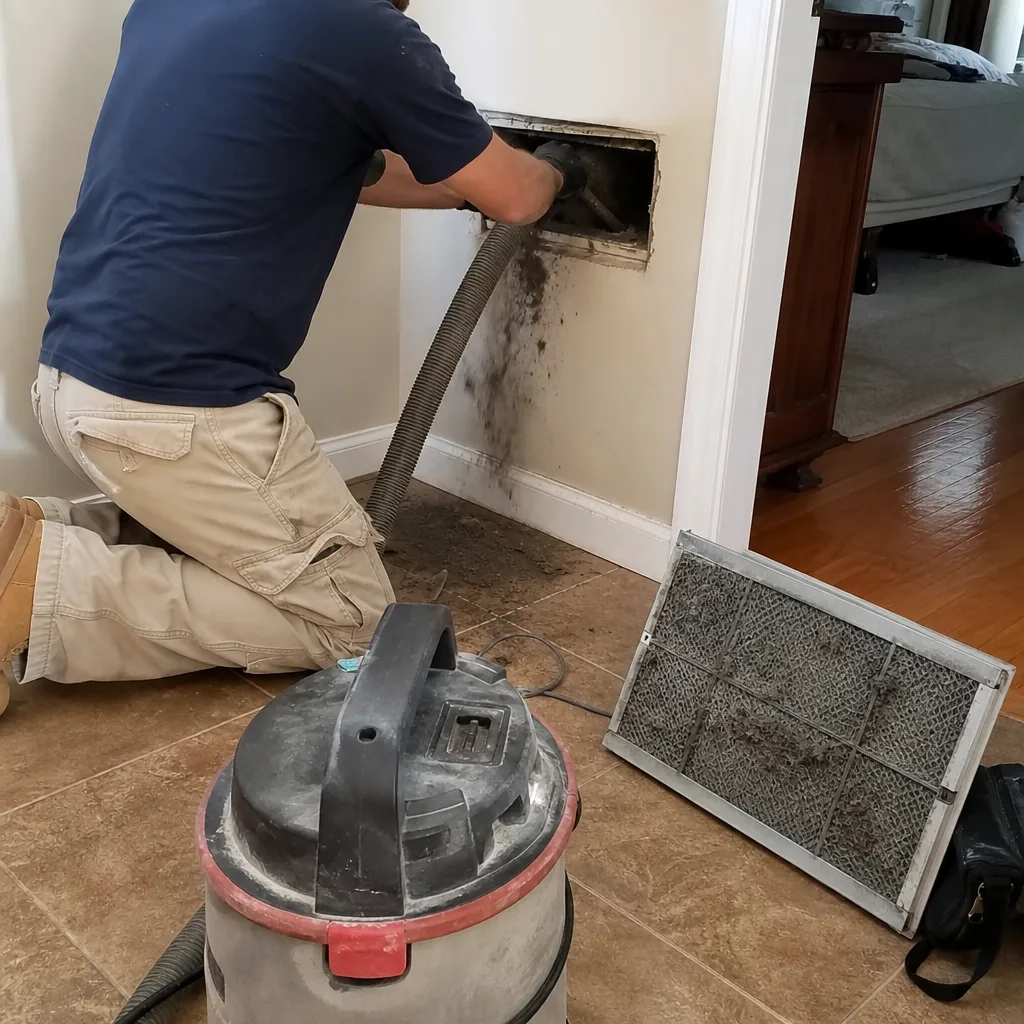
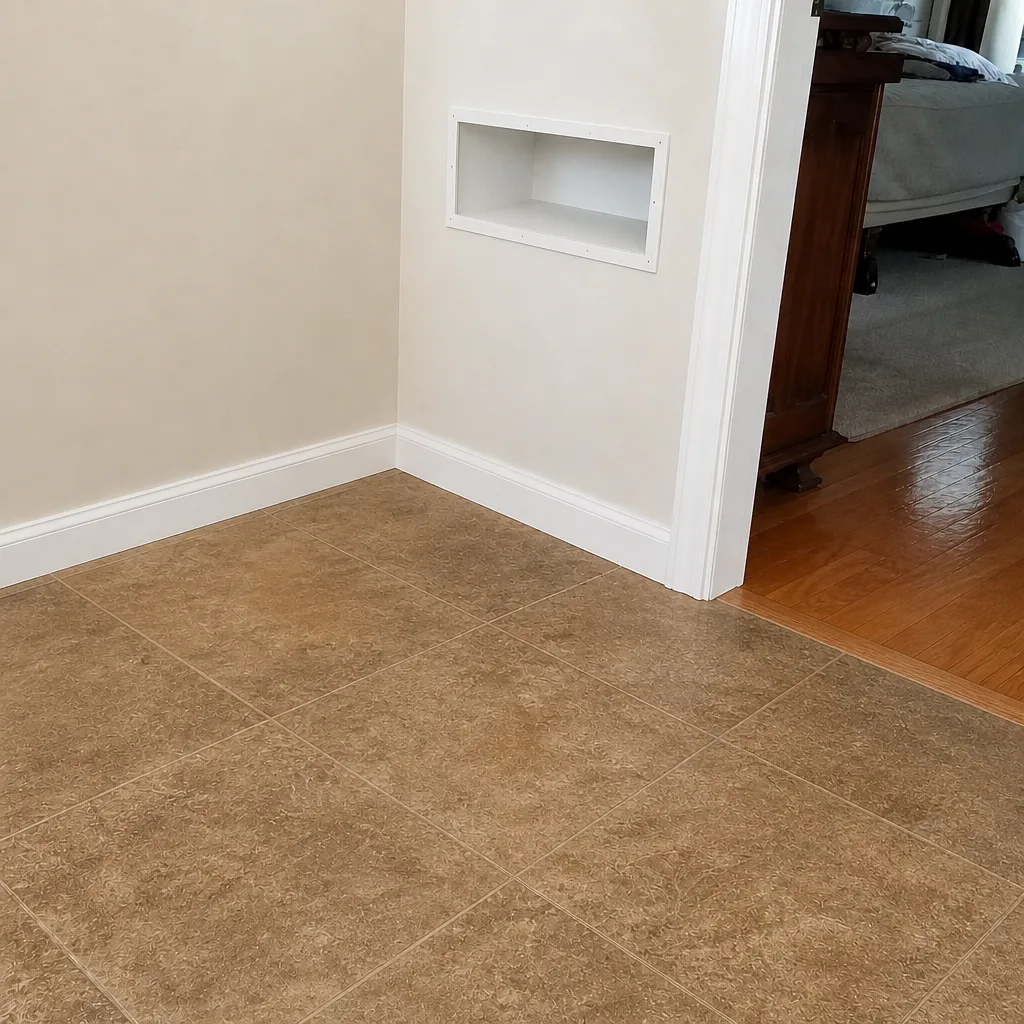
Whole-system duct and dryer vent check with before-and-after photos - you see exactly what came out of your vents
That "$99 whole-house special" is a bait ad - the real number appears once they are in your hallway, or the "clean" is a shop-vac at the register. We photograph the inside of your ducts before and after instead.
Air Duct Cleaning Permits, Codes & Inspections in Hermitage, TN: What You Need to Know
Most homeowners assume air duct cleaning is paperwork-free. And for routine cleaning, it usually is. But here’s the counterintuitive part: the moment a technician cuts an access hole, swaps out a section of flex duct, or brushes mastic across a plenum joint, that job stops being “cleaning” in the eyes of Tennessee’s mechanical code. It becomes regulated work. That shift matters for your insurance, your home sale, and how you read a contractor’s proposal. In this guide we’ll walk through exactly where the line sits, which Davidson County permits apply, and what a legitimate proposal should say about who pulls them. We’re a Hermitage business, and we’ve watched this trip up plenty of homeowners.
Quick Answer
Routine air duct cleaning in Hermitage doesn’t require a permit. But any work that cuts into, replaces, reseals, or modifies ductwork falls under Tennessee’s State Mechanical Code (TCA Title 68, Chapter 102), and in Davidson County that usually requires a mechanical permit. Unpermitted modifications can complicate an insurance claim or show up as an undisclosed issue during a home sale. Ask your contractor, in writing, whether their work crosses that threshold and who is responsible for the permit.
Styles & brands we work with
- Whole-home duct cleaning
- Dryer vent cleaning
- Camera inspection
- Sanitizing & deodorizing
Table of Contents
- When does duct cleaning become duct repair in Tennessee?
- What Tennessee’s mechanical code actually says
- Davidson County permit requirements and fees
- How unpermitted work affects insurance and disclosures
- What a legitimate proposal should state
- Documentation after mold remediation inside ducts
- What an inspection actually looks like
- Red flags in a contractor’s paperwork
When does duct cleaning become duct repair in Tennessee?
Cleaning becomes repair the moment a contractor alters the physical duct system rather than just removing debris from it. The dividing line is straightforward once you know what to look for: cleaning preserves the existing assembly; repair changes it. A high-pressure vacuum and rotary brush running through your existing ducts is cleaning. A technician cutting a new access hole is modification.
Here’s the practical list. Any one of these moves a job into repair territory under Tennessee’s mechanical code framework:
- Cutting a new access panel or takeoff. Once a hole is cut into a trunk line or plenum to reach a section, the opening has to be sealed to code. That’s a modification.
- Replacing flex duct sections. Swapping out a crushed or contaminated run means reconnecting at both ends, sizing the replacement, and supporting it correctly.
- Applying mastic or tape at the plenum. Sealant work at the air handler connection is a permanent alteration to the pressure boundary.
- Resizing or rerouting a run. Changing duct diameter or path affects the system’s design load and requires rebalancing.
- Removing and reinstalling duct segments for access. If a section has to come out and go back in, the reassembly is regulated work.
- Adding or capping a register. New supply or return boots get into system balance and must meet the code.
Why does the code care? Because ductwork is part of the air distribution system, not a separate add-on. Alterations affect airflow, static pressure, and combustion safety in homes with gas appliances. Hermitage has a lot of older ranch-style and split-level housing stock where duct systems were originally sized for one blower and may have been bumped or rerouted at some point since. When a contractor proposes work on an older Hermitage system, they’re often working on a duct layout someone already changed once without documentation. That’s exactly the situation that benefits from knowing the code threshold before work begins.
What doesn’t cross the line: standard cleaning, sanitizing, sealing small existing leaks with code-compliant sealant that doesn’t require physical alteration, and inspection. If a contractor quotes you a cleaning and then, on-site, tells you they need to “open up the duct” to finish the job, that’s the moment to ask whether it’s now a repair and whether a permit applies.
We walk through the cleaning process in more detail on our air duct cleaning page, but the code threshold is the part most homeowners never hear.
What Tennessee’s mechanical code actually says
Tennessee’s State Mechanical Code is adopted under TCA Title 68, Chapter 102, and applies across the state with local amendments in some jurisdictions. The code covers the installation, alteration, repair, and replacement of mechanical systems, including ductwork. Cleaning is not mentioned because it isn’t regulated separately; the regulation attaches to the alteration itself.
In plain terms, the code function you care about is this: a change to the duct system’s physical condition or routing is an alteration, and alterations require a permit unless the code exempts them. Tennessee’s adoption of the International Mechanical Code as the base document means the structure of the rules will be familiar to any contractor who works in this state, even though the specific edition adopted has shifted over the years.
What the code does not require
The code does not require a permit to clean, sanitize, or inspect existing ducts. It does not require a permit to change your furnace filter, clean the blower, or vacuum out a supply register. It does not require a permit to remove loose debris from a return plenum. If a contractor tells you that cleaning requires a permit, ask them which code section and which permit type. That’s a reasonable question and a real contractor will answer it.
What triggers a permit
- Replacement of any duct segment (supply, return, or flex connector)
- Installation of new ductwork, including new runs to an addition
- Alteration of duct routing or sizing
- New mechanical equipment installation, including the air handler connection
- Work that requires an access panel cut for a permanent installation
Two things worth knowing. First, the code distinguishes between a “repair” and an “alteration” in ways that sometimes matter in the field, and the standard practice under Tennessee enforcement is to treat anything structural as an alteration requiring the permit. Second, when a job touches combustion appliances, the permit process brings an inspection that can catch a safety issue the cleaning visit wasn’t going to find anyway. In older Hermitage homes near the Hermitage area, we’ve seen duct systems that were rerouted around additions and never documented. That’s where an inspection has real value.
Davidson County permit requirements and fees
In Davidson County, mechanical permits are issued through the Metro Nashville Codes Department. Ductwork replacement or alteration in a residential property falls under a mechanical permit, and the permit is typically pulled by the licensed contractor performing the work. The homeowner can pull a permit for their own owner-occupied home in some cases, but for work being performed by a contractor the permit is the contractor’s responsibility.
Permit types you’ll see named
- Mechanical permit (residential). The standard permit for duct replacement, alteration, or new mechanical equipment installation in a single-family home.
- Mechanical permit (commercial). Applies to commercial ductwork and is subject to commercial review.
- Combined permit. When ductwork is part of a larger renovation, the mechanical scope is sometimes folded into a single permit with the other trades.
Typical permit fees
Fees are set by the county and change periodically, so we’re careful to give you a range rather than a precise number. For a residential mechanical permit covering ductwork, expect fees in the low-to-mid two-hundreds at the low end and higher for commercial or combined scopes. The permit fee is separate from the contractor’s price for the work. The written estimate should show whether the permit is included or billed separately, and you should ask before signing.
Timeline
Residential mechanical permits in Davidson County are usually issued within a few business days of a complete application. The inspection happens after the work is done, and the permit is closed when the inspection passes. A permit that doesn’t pass inspection needs corrections and a re-inspection, and that’s a cost the contractor’s estimate should be absorbing, not you.
One practical note: if you’re in Hermitage and the contractor is coming from another county, ask them directly whether they regularly pull mechanical permits in Davidson County. Contractors who work across county lines sometimes default to a contractor’s license that carries different local registration requirements. The local pro you work with should be licensed and insured as their state requires and should be able to demonstrate they’ve handled Davidson County mechanical permits before.
How unpermitted work affects insurance and disclosures in Tennessee
Homeowner’s insurance policies don’t specifically exclude unpermitted ductwork, but the general condition of the policy matters: coverage is typically tied to work performed to code and by a licensed contractor. When a claim is filed and the investigation finds that a duct modification contributed to the loss, the insurer can raise the question of whether the work was code-compliant. If it wasn’t, the claim for that portion can be reduced or denied. That’s the real risk, and it’s why the paperwork matters as much as the work.
Common scenarios where this comes up
- Water damage traced to condensate around an unpermitted duct alteration. If the insurer’s adjuster finds the duct connection wasn’t sealed to code, the claim can be contested.
- Mold claim after a duct repair. The remediation documentation (see the section below) is what the insurer will request.
- Fire claim where the duct run contributes to spread. Less common, but duct integrity is part of the investigation.
Disclosures at sale
Tennessee sellers complete a residential property condition disclosure that includes known defects and any work done without permits where the seller is aware. The standard question isn’t “did you ever do unpermitted work” but “are you aware of any unpermitted improvements.” If you can’t document a duct repair, that’s the question you’ll be answering under pressure at the closing table. Having a permit and inspection report on file is the cleanest answer, and it takes one file folder to keep it.
What to keep
- The permit number and the closing inspection record from Metro Nashville Codes.
- The contractor’s written estimate and final invoice with the scope of work.
- Before-and-after photos of the duct sections the contractor worked on.
- Any manufacturer documentation for replacement duct materials.
- The mold remediation clearance documentation, if applicable (see below).
If a contractor can’t produce those items, the work may still be fine, but you’ll be the one explaining it later. That’s a reasonable question to ask up front rather than after the fact.
What a legitimate proposal should state
A legitimate proposal for duct work in Hermitage should state plainly what’s being done, whether it crosses the permit threshold, and who is responsible for pulling and closing the permit. If any of those three items isn’t on the page, the proposal is incomplete. That’s the standard we’d want a homeowner to hold us to, and it’s the standard we hold a pro to when we connect one to a Hermitage homeowner.
What a proposal should include
- Scope of work. Cleaning, repair, sealing, replacement, or some combination, described item by item.
- Permit responsibility. One of: “Permit required, contractor pulls,” “Permit required, homeowner pulls,” or “No permit required, and here’s why.” Vague statements like “permits as needed” don’t count.
- Materials. What kind of flex or rigid duct is being used for replacement, and what sealant is being applied.
- System access. Where access panels will be cut, and how the openings will be sealed afterward.
- Before-and-after photos. Committed to in writing, not offered informally on request.
- One flat price per system. Agreed before work starts, not a per-vent price that grows once the technician is on site.
- Inspection. A statement that the contractor will schedule and attend the county inspection if one applies.
- Cleanup and disposal. Who removes old duct material and how.
What a proposal should not include
It should not quote a per-vent price. It should not quote a teaser coupon figure that becomes a much larger invoice after the technician arrives. It should not “assume no permit” without giving a reason. It should not require a deposit for a permit the contractor hasn’t pulled. If any of those show up, ask why in writing before you sign.
A note on equipment
We use Rotobrush contact-cleaning systems and Nikro professional HVAC equipment because the cleaning approach matters for whether the work is cleaning at all versus a surface pass. A shop vac and a brush don’t reach the same places a rotary contact system does, and a technician who is honest about what the job requires will name their equipment. If a contractor can’t or won’t tell you what they use, the proposal isn’t finished.
Documentation after mold remediation inside ducts
If mold is found inside your ductwork and the work crosses from cleaning into remediation, Tennessee expects documentation. This isn’t a duct-cleaning specific rule; it’s part of the broader mold remediation framework the state has adopted, and it’s where most duct cleaning contractors stop being involved altogether. The work may still be done properly, but the paperwork is what an insurer or a future buyer will ask for.
What the documentation typically includes
- A pre-remediation assessment. A written description of what was found, where, and the scope of the contamination. Photos are standard.
- A written remediation plan. What will be done, what containment is used, what products are applied, and what the criteria for clearance are.
- Containment records. Especially when the duct system is connected to occupied space during work.
- Post-remediation verification. A clearance assessment by a qualified party that confirms the contamination was remediated.
- A clearance report. The final document a homeowner keeps in the property file, and the one an adjuster or buyer will ask for.
Why containment matters
Ductwork is a closed loop that connects to every room in the house. Remediation without containment can spread contamination into living space, and that’s the failure mode the documentation exists to prevent. This is why Abatement Technologies source-capture filtration equipment shows up in serious duct remediation work: it captures contamination at the source instead of relying on the HVAC system’s own filter to handle it. If you’re hiring for remediation in Hermitage, ask what filtration the contractor brings, and ask to see the clearance report from the last remediation job they did.
If your contractor doesn’t do remediation
Duet cleaning and mold remediation are different scopes of work. If your contractor identifies mold and stops there, that’s honest, but you’ll need a remediation contractor for the actual removal. Get the assessment from your contractor in writing so the remediation contractor has a starting point, and get the clearance report after. The two documents together are what you want in the file.
We can work with your insurer on claims where duct remediation is part of the loss, and we can also work alongside a remediation contractor when the scope overlaps. The documentation is the part that makes that possible.
What an inspection actually looks like
A mechanical inspection of ductwork is a focused visit, not a full home inspection. The inspector verifies the work described on the permit was done, that materials meet code, that the connections are sealed, and that the installation is safe. It usually takes under an hour for a residential duct scope.
What the inspector checks
- That the installed duct material matches what was approved on the permit application.
- That duct connections and joints are sealed with approved sealant or tape.
- That the duct system is properly supported and not crushed or kinked.
- That access panels are sealed and match the surrounding duct material.
- That the work doesn’t interfere with combustion appliance venting where applicable.
- That the equipment connected to the duct system is installed per manufacturer instructions.
What you should ask for after
Ask for the passed inspection record. It’s the document that closes the permit in the county’s system, and it’s the one you want in your property file. If the inspection fails and corrections are made, ask for the re-inspection record too. The contractor should be handling the scheduling and the correction work, and the estimate should cover it.
When a cleaning turns into an inspection
Sometimes the cleaning visit is what surfaces a duct problem that needs a repair scope. That’s fine as long as the repair scope is priced as a repair, permitted as required, and not folded silently into the cleaning invoice. The honest version of that conversation sounds like: “We found a crushed return run during the cleaning. Here’s the repair scope, here’s whether a permit applies, and here’s the revised price.” That’s the conversation a homeowner should have before any additional work starts.
If you’re already planning HVAC cleaning in the same visit, the inspection scope may include the air handler and coil in addition to the ductwork, which is worth discussing up front so the permit scope is accurate.
Red flags in a contractor’s paperwork
The paperwork tells you most of what you need to know before a technician ever arrives. A clean proposal is specific, boring, and includes a permit statement. A weak one is vague about permits and heavy on urgency.
What to watch for
- “No permit needed” stated without a reason. A legitimate contractor will tell you which code threshold applies. If they can’t, ask them to put it in writing.
- Permit fee “credited toward the work.” That’s a marketing structure, not a permit statement. Ask for the permit number and who is named on it.
- Per-vent pricing. A per-vent price is a structure that grows as the technician discovers more vents. Whole-system pricing on one flat rate is the alternative, and it’s the one you should ask for.
- No written scope, only a verbal quote. Without a written scope there is no permit question to answer, and nothing to compare against the invoice.
- Refusal to provide before-and-after photos. The photos are how you know the work was done. Ask for them in writing as part of the proposal.
- No mention of combustion appliances in homes with gas. Any duct alteration near a gas appliance needs to be considered in the permit scope.
- A contractor who won’t name their equipment. Specificity about tools (Rotobrush, Nikro, Abatement Technologies) signals a contractor who does this work rather than a generalist subbing it out.
- “We don’t need to see the system first.” A duct repair estimate without an on-site look is a guess, and the guess usually grows.
If any of those show up, ask the question and ask for the answer in writing. A contractor with nothing to hide will answer plainly.
Common Mistakes to Avoid
- Assuming the cleaning quote covers the repair. If the technician finds a crushed run or a disconnected joint during cleaning, the repair is a separate scope with a separate price and possibly a permit. Ask for the repair scope in writing before it starts.
- Skipping the permit because the work “felt small.” Replacing one flex run is still a modification under the mechanical code. The permit fee is small relative to the insurance complication when a claim comes up.
- Not asking who is named on the permit. The permit should be pulled by the licensed contractor doing the work. If the homeowner is named, that’s a different arrangement and you should know it.
- Treating mold remediation like a cleaning add-on. Remediation requires an assessment, a plan, and clearance documentation. Ask for the clearance report before the invoice is paid.
- Keeping only the invoice. The permit number, inspection record, photos, and mold clearance report are the documents a future buyer will ask for. Keep them together from day one.
- Hiring on price alone. The cheaper quote is often cheaper because it skips the permit or the source-capture filtration. Ask what’s excluded.
- Ignoring the dryer vent. It’s a fire-safety service, not an add-on. If your duct contractor is already in the house, it’s worth asking about dryer vent cleaning at the same time as the other air pathway work.
See the difference
 Before
 After
 Before
 After
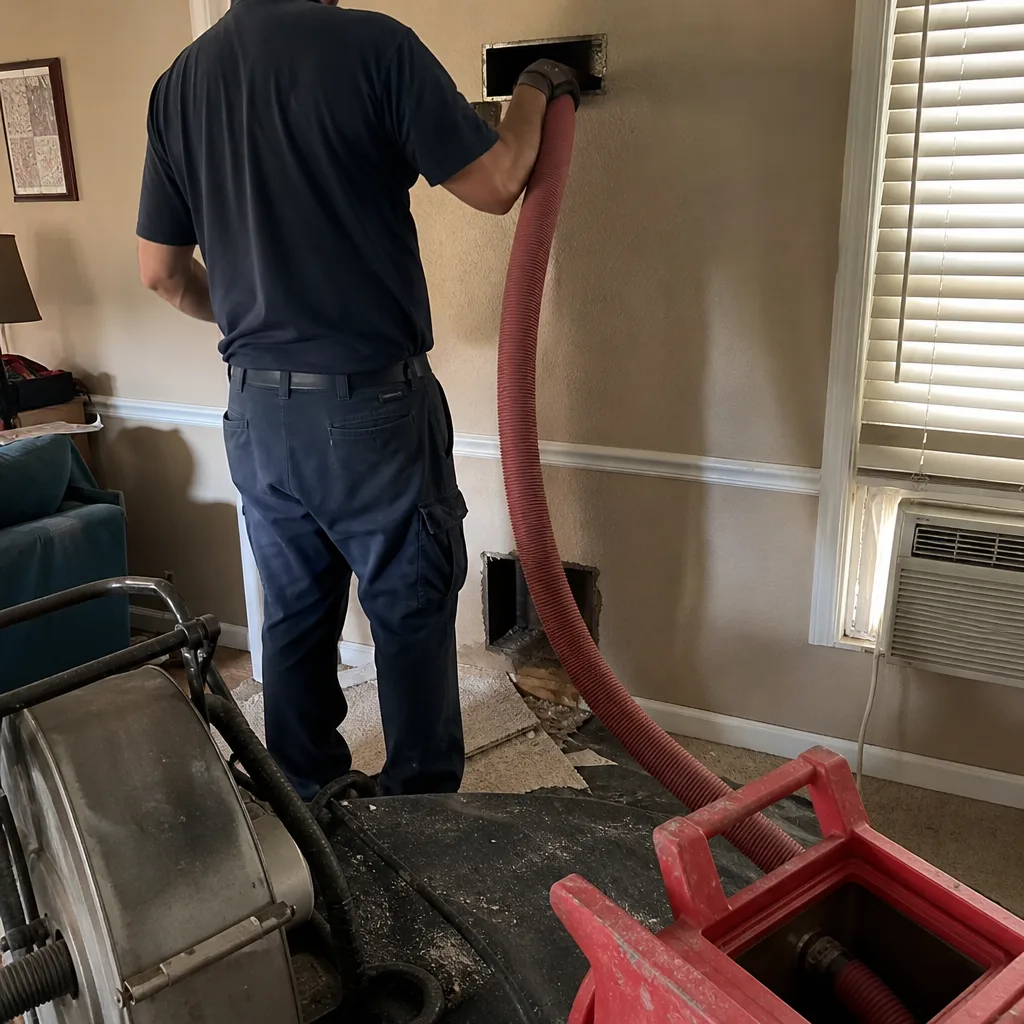 Before
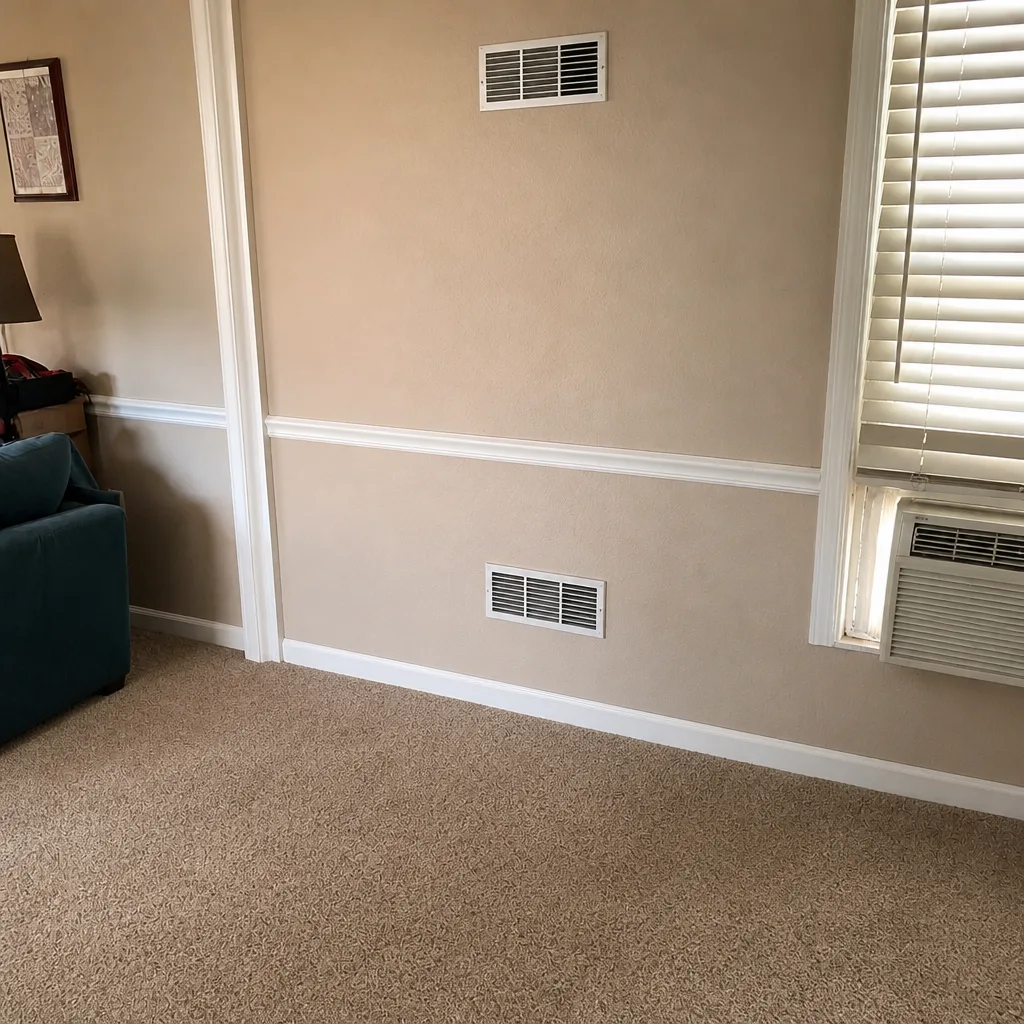 After
When to Call a Professional
Call a professional if a contractor has proposed any physical change to your ductwork, if you’ve had a duct repair done without documentation, or if you’re buying or selling a home with an unknown duct history. Call us if you suspect mold inside the ductwork, if your HVAC system has been running with a compromised return, or if you want a written scope that names the permit responsibility before you commit to the work. Call us if you’ve had an insurance claim where ductwork is part of the conversation and you need the work documented to the standard your insurer will accept. Hermitage Air Duct Cleaning offers free estimates in Hermitage. Call (855) 726-7834. We answer 24/7. Fast dispatch from 7am to 7pm, Sunday through Friday.
If you’re not sure whether your situation crosses the line, that’s the right call to make. The estimate is free, the written scope is specific, and the permit question gets answered before anyone starts work.
Frequently Asked Questions
No. Routine air duct cleaning in Hermitage doesn’t require a permit because cleaning doesn’t alter the duct system. A permit is triggered when a contractor cuts into, replaces, reseals, or reroutes ductwork, which falls under Tennessee’s State Mechanical Code. If your contractor proposes any of those, ask whether a Davidson County mechanical permit applies and who is responsible for it. Call (855) 726-7834 for a free estimate and we’ll walk through your proposed scope.
Residential mechanical permits for ductwork in Davidson County typically run in the low-to-mid two-hundreds, with commercial and combined permits running higher. Fees are set by the county and change, so treat that as an estimate rather than a fixed number. The permit fee is separate from the contractor’s price for the work, and the written estimate should show whether it’s included. Call (855) 726-7834 for a free written scope that states permit responsibility up front.
It can. Coverage is typically tied to work performed to code and by a licensed contractor, and if a claim investigation finds that an unpermitted duct modification contributed to the loss, the insurer can raise questions about that portion of the claim. The cleanest protection is documentation: the permit number, the passed inspection record, and photos of the work. Call (855) 726-7834 and we’ll help you sort out what documentation you actually need.
Cleaning removes accumulated debris from the existing duct system. Remediation addresses mold or other contamination and requires an assessment, a written plan, containment, and a post-remediation clearance report. Duct cleaning contractors often stop at cleaning; remediation is a separate scope with its own documentation. If your contractor identifies mold and stops there, get their findings in writing and bring in a remediation contractor for the removal, then keep the clearance report on file. Call (855) 726-7834 if you want help interpreting what a scope actually covers.
Usually because the scope is narrower. A very low quote often means a shop-vac pass instead of a contact-cleaning system, no source-capture filtration for contamination work, no permit for repair scope, and no written before-and-after photos. A cheap quote isn’t necessarily dishonest, but it’s usually incomplete. Ask what the price includes and what it excludes. Call (855) 726-7834 for a free estimate with a written scope, one flat price per system, and photos included.
Most homes benefit from a cleaning and inspection every few years, more often if you’ve had a renovation, water intrusion, pets, or visible dust at the registers. The more important question is whether anything in the duct system has been altered or repaired without documentation. That’s an inspection question, not a cleaning-frequency question, and it’s worth addressing before a home sale or a claim. Call (855) 726-7834 to schedule an assessment.
The Bottom Line
Routine duct cleaning doesn’t require a permit. Duct repair, replacement, resealing, and modification do, and that line is crossed more often than most homeowners realize. In Davidson County, a mechanical permit is the mechanism that documents the work for your insurer and your future buyer, and the permit fee is small compared to the complications of an undocumented repair. Ask your contractor which side of that line their scope falls on, get the answer in writing, and keep the paperwork. If you’re in Hermitage and want a free written estimate that names permit responsibility, one flat price per system, and before-and-after photos in the scope, we’re here to help.
Hermitage Air Duct Cleaning connects Hermitage homeowners with local professionals who work on the full air pathway, from the air handler to every register, using Rotobrush contact-cleaning systems, Nikro professional HVAC equipment, and Honeywell and Aprilaire air quality products. We also handle dryer vent cleaning as a fire-safety service and duct repair and sealing as a standalone scope, so a cleaning visit isn’t the end of the conversation when the system needs more. Call (855) 726-7834. We answer 24/7. Fast dispatch from 7am to 7pm, Sunday through Friday.
Written by the team at Hermitage Air Duct Cleaning.