
Last updated November 24, 2026
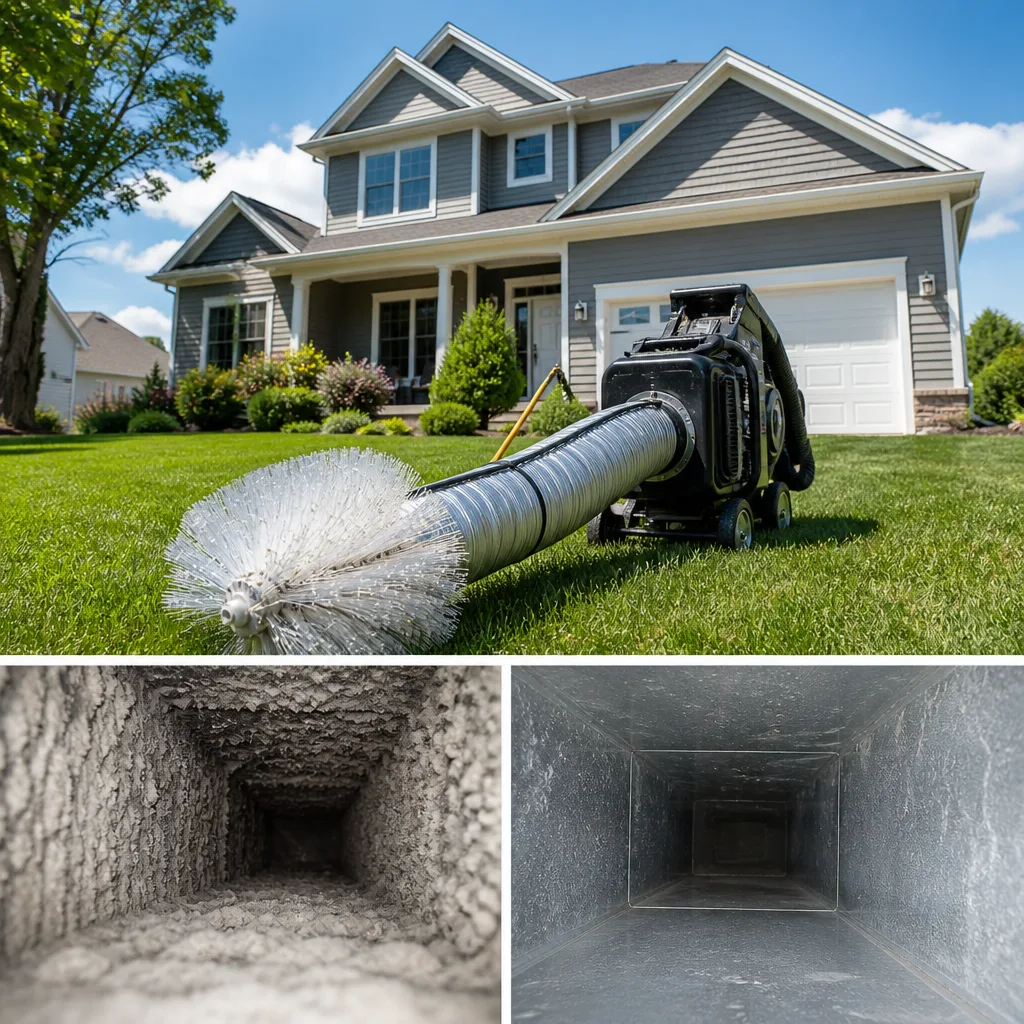 Whole-home duct cleaning
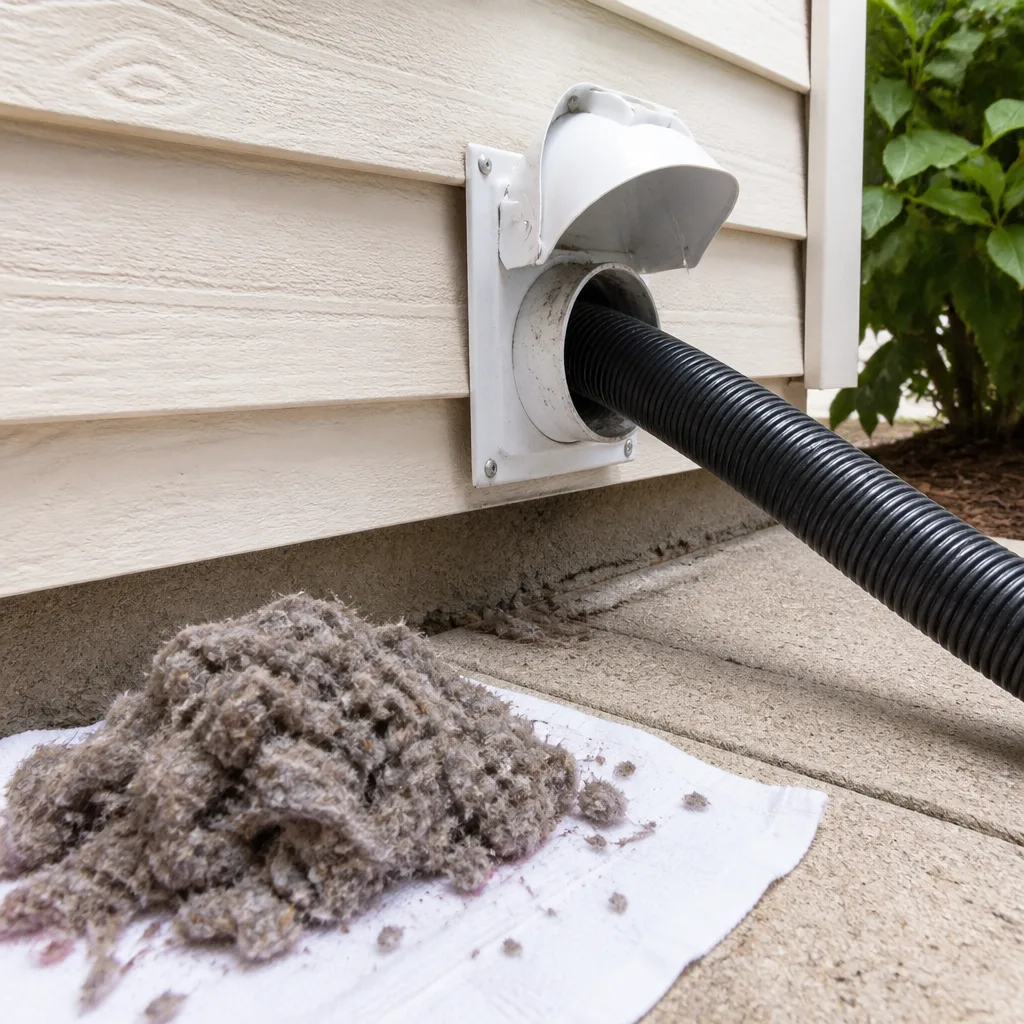 Dryer vent cleaning
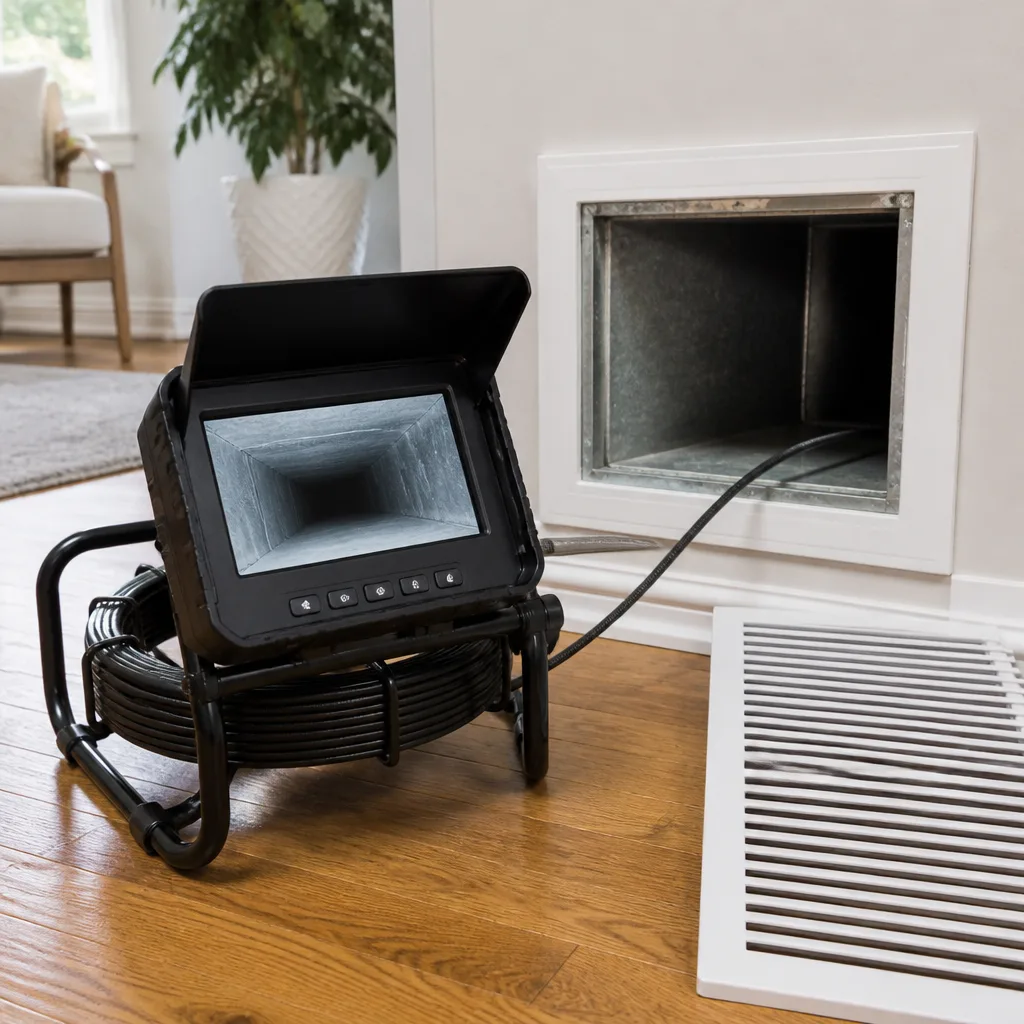 Camera inspection
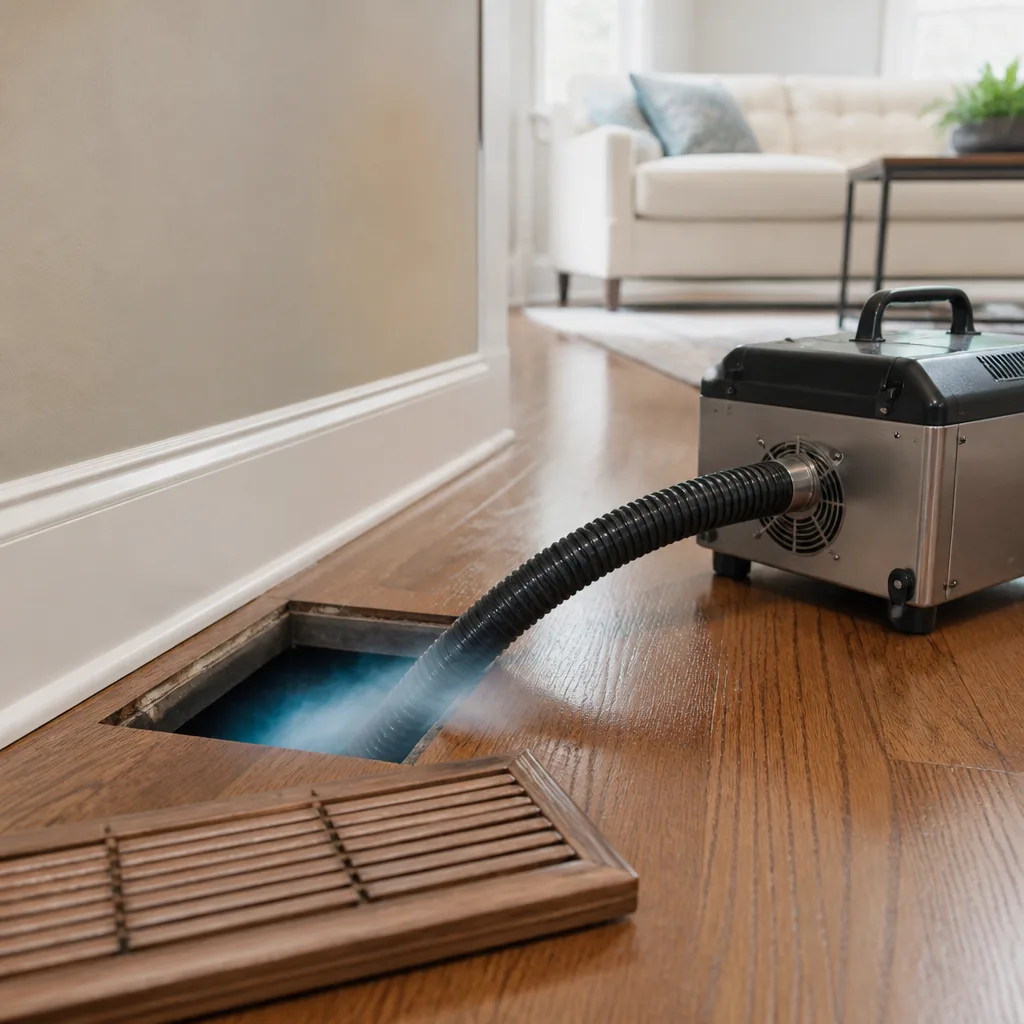 Sanitizing & deodorizing
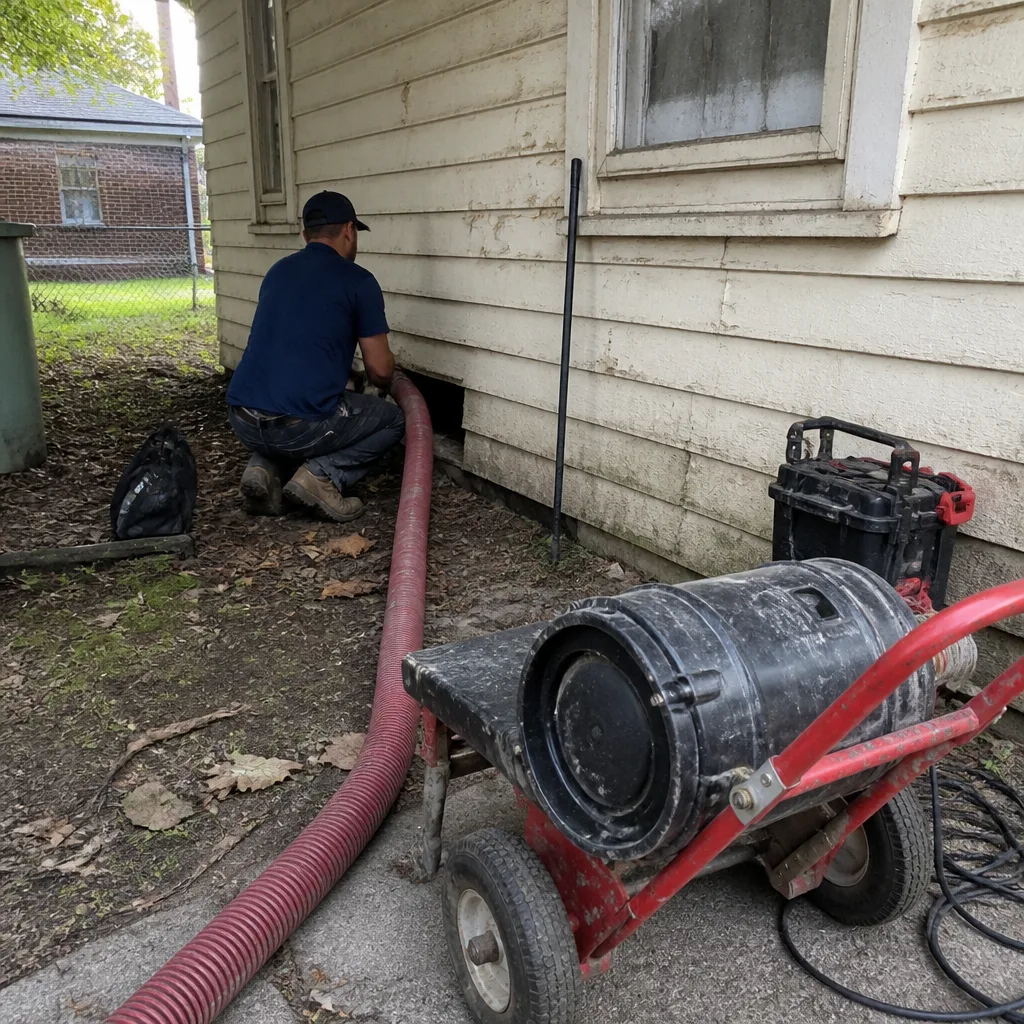
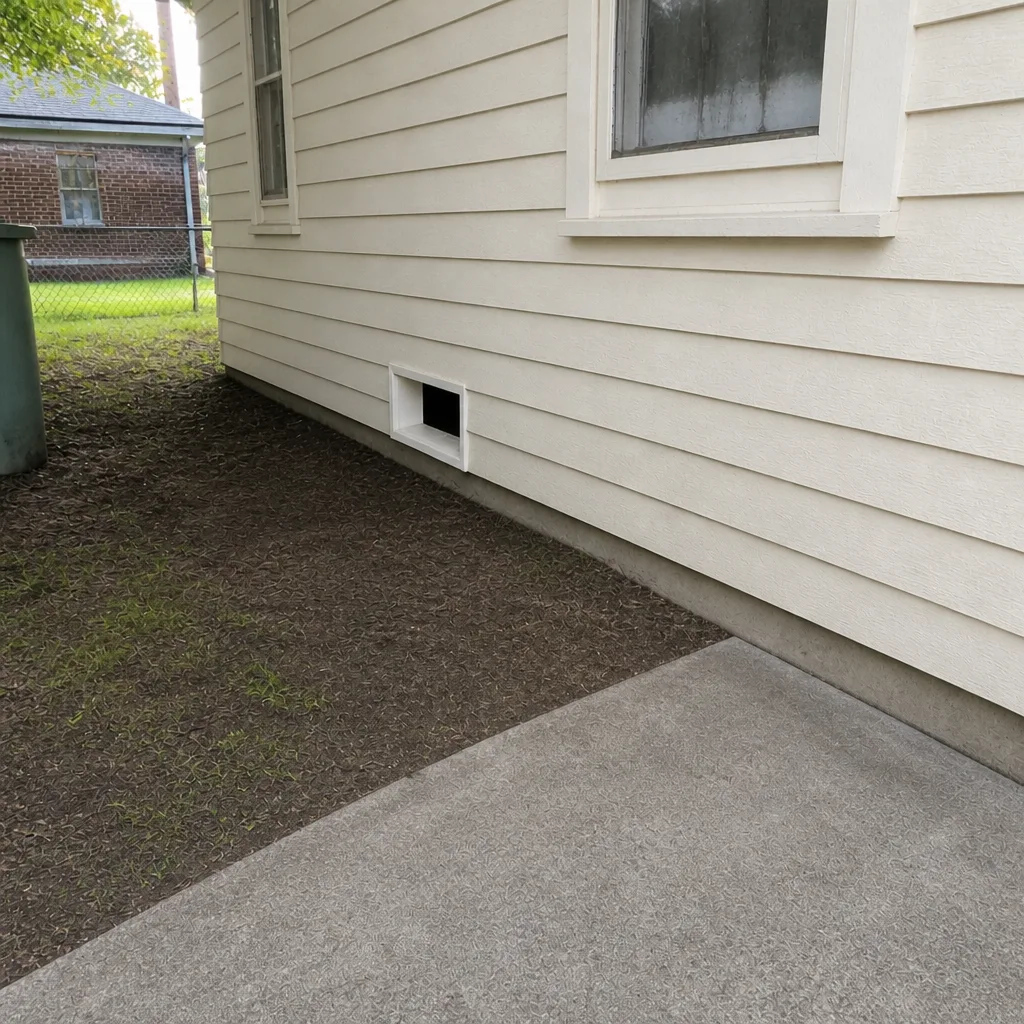
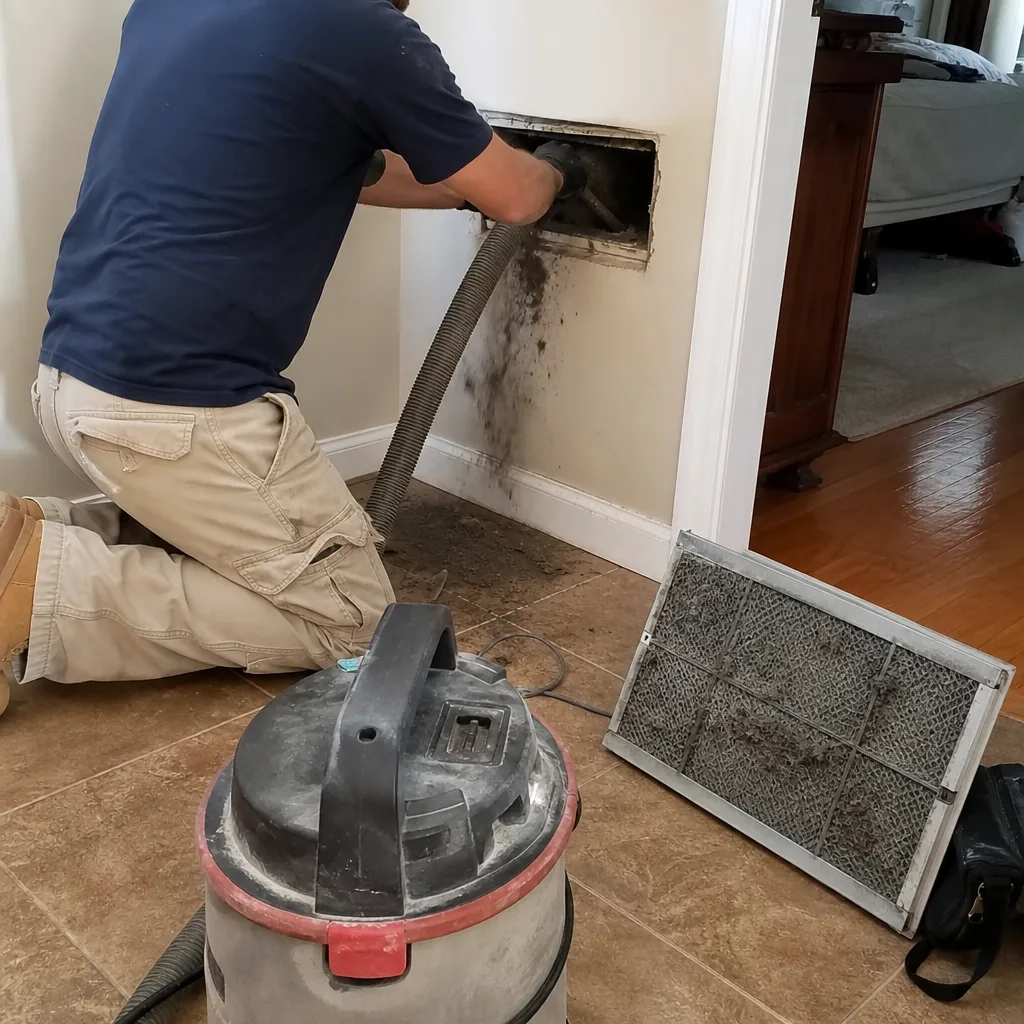
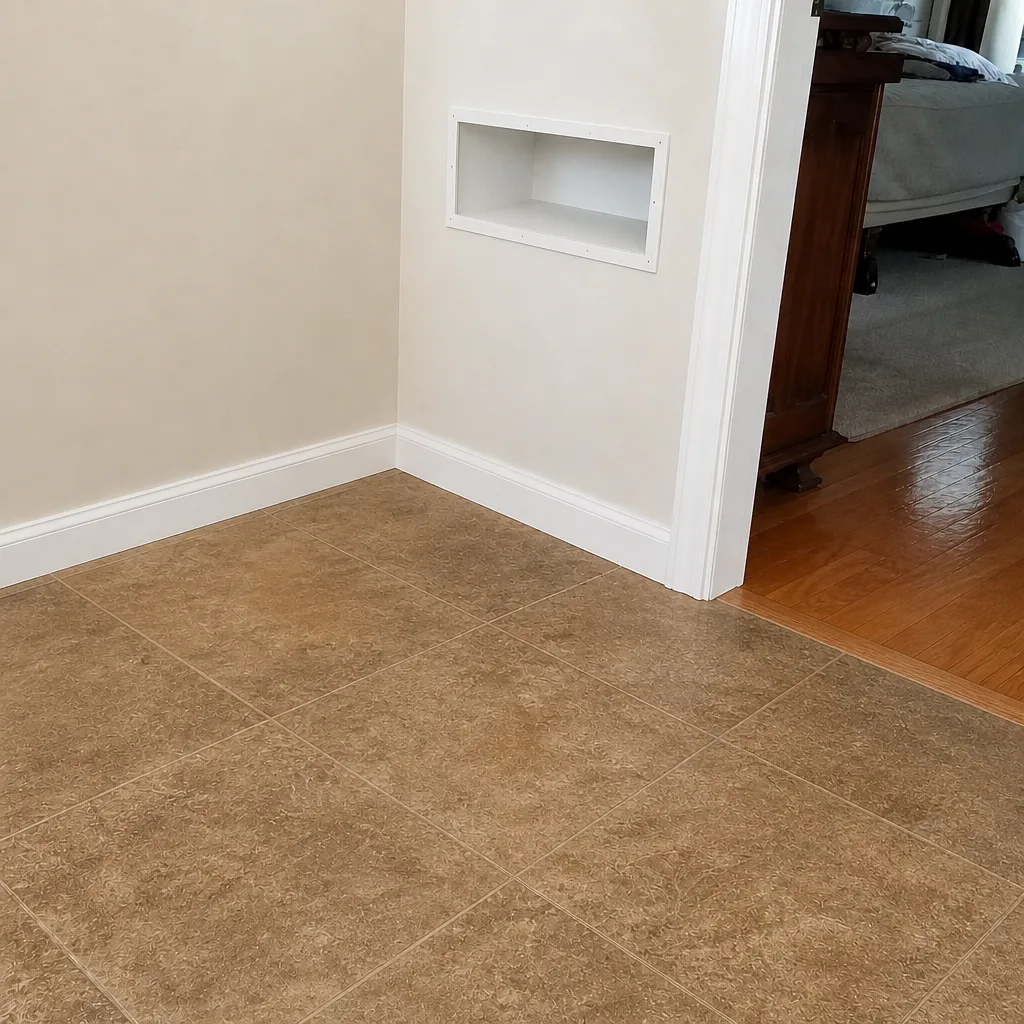
Whole-system duct and dryer vent check with before-and-after photos - you see exactly what came out of your vents
That "$99 whole-house special" is a bait ad - the real number appears once they are in your hallway, or the "clean" is a shop-vac at the register. We photograph the inside of your ducts before and after instead.
Air Duct Cleaning Warning Signs: A Hermitage Homeowner’s Reference Guide
Most lists of duct warning signs describe problems so advanced they’ve already been making trouble for months. By the time you can see matted dust blowing from a register, the contamination has been cycling through your home with every heating and cooling cycle. The earlier signals are quieter, and they live in the numbers your system already produces: energy use, room-to-room temperature gaps, and how long your equipment runs to reach setpoint. This guide is written from Hermitage, and it’s built to teach you how to read those early performance signals alongside the classic visual and smell clues, so you can tell the difference between a system that’s due for a scheduled cleaning and one that needs attention now. Our technicians have up to 14 years of experience reading exactly these patterns.
Quick Answer
The main warning signs of a duct system that needs attention are a steady rise in energy use combined with uneven room temperatures, longer HVAC runtime than in prior seasons, musty or burning odors when the blower starts, visible black streaking or fuzzy growth at supply registers, and health symptoms that track with your HVAC cycles rather than the pollen calendar. In Hermitage, where summers are humid and long, those signals tend to show up as upstairs rooms that won’t cool and a clingy, damp smell near the return. Any single early sign warrants an inspection; a cluster of them warrants scheduling service.
Styles & brands we work with
- Whole-home duct cleaning
- Dryer vent cleaning
- Camera inspection
- Sanitizing & deodorizing
Table of Contents
- Performance Signals You Can Read From Your System Itself
- Smell Classification: Musty, Burning, and Chemical Odors
- How to Read Your Registers: A Visual Inspection Guide
- Health Pattern Signals vs. Seasonal Allergies
- Decision Matrix: Same-Week Service or Scheduled Visit?
- What Makes Duct Contamination Worse in Hermitage Homes
- How to Verify a Cleaning Was Actually Done
- Prevention: Keeping Your Air Pathway Clean Between Visits
Performance Signals You Can Read From Your System Itself
The most reliable early indicators of duct restriction or leakage come from how your HVAC system behaves, not from what you can see. A system that was properly sized for your home will run a predictable number of minutes per degree of temperature change; when that ratio drifts, something in the air pathway has changed.
Watch for these performance clues:
- A temperature gap between rooms of roughly 5 to 8 degrees when the system is running steadily. A small difference is normal. A consistent gap that wasn’t there last summer usually points to a restricted or leaking branch duct serving the warmer rooms.
- Runtime creep. If you remember your system cycling off within about 15 to 20 minutes and it now runs 25 to 30 minutes to reach the same setpoint, the equipment is working harder to move the same air.
- A 15% rise in your energy bill with no rate change and no change in household habits. That combination of higher usage and uneven temperatures is one of the most reliable early indicators of significant duct restriction or leakage, and most homeowners never connect the two.
- Static pressure symptoms you can sense indirectly: weak airflow at the registers farthest from the air handler, whistling at return grilles, and a blower that sounds strained or louder than it used to.
- Short cycling or a frozen coil in cooling season. When airflow drops, the evaporator coil can ice over, which is a duct or blower symptom as often as it is a refrigerant one.
Static pressure is the technical measure a technician takes to confirm obstruction, but you don’t need a gauge to notice the pattern. If your system used to feel strong and now feels tired, that’s the same story in plain language. A proper diagnostic visit confirms whether the cause is a restricted duct, a leaky joint, a dirty coil, or all three. You can learn how the inspection and cleaning sequence works on our air duct cleaning page.
Smell Classification: Musty, Burning, and Chemical Odors
Odors are the most underrated diagnostic signal in a home’s air system, because different smell categories point to different causes and different urgency. Classifying the smell correctly is the first step toward fixing the right problem.
Musty odors
A damp, earthy, cellar-like smell that strengthens when the blower starts and fades a while after it stops. This is the signature of microbial growth somewhere in the path: on the evaporator coil, in the drain pan, or on insulation lining ducts in humid spaces. In Hermitage, where summer humidity stays high for months, this is the most common category we encounter. Musty smells call for cleaning plus an honest moisture assessment, and sometimes a humidity control product. Because this category can involve mold concerns, it’s a job for source-capture filtration equipment rather than a shop vacuum.
Burning odors
A hot, dusty, metallic smell at the start of heating season, or any burning smell tied to furnace operation, is a stop-and-call signal. Debris resting on a heat exchanger can scorch when the burner fires. Reduced airflow raises the temperature of that component, which makes the problem worse. If you smell burning, shut the system down at the thermostat and call. This is not a smell a homeowner should chase to source, and it isn’t one to sleep on. A technician needs to inspect the heat exchanger carefully, and in our experience that check belongs in a full HVAC cleaning visit, not a quick look.
Chemical odors
A plastic, sharp, or off-gassing smell can indicate breakdown of insulation, wiring, electronic components, or a failing motor. It doesn’t self-resolve, and it can accompany a component that’s about to fail. Chemical smells need an inspection visit and should never be masked with air freshener, which just adds particles to the exact path you’re worried about.
If you can’t classify the smell, note when it appears: only when the blower runs (pathway or coil issue), only when the burner runs (combustion side), or only during certain weather (moisture or condensation related). That timing narrows the cause faster than anything else you can tell a technician.
How to Read Your Registers: A Visual Inspection Guide
Your supply and return registers are the one place in the whole system you can inspect without tools. Learn what normal looks like and the abnormal variations become obvious. Do this once a season, and photograph what you see so you can compare over time.
Normal: a uniform light gray dust film
Every register in every home accumulates a thin gray coating of settled household dust. Wipe a register with a white cloth and you should see a light, even gray. That’s normal, and it doesn’t by itself mean anything is wrong.
Black streaking or soot patterns
Dark streaks, soot-like deposits, or smudgy black marking on the register face or the surrounding drywall are not normal. They can point to combustion byproducts reaching the supply side, or to a localized leak pulling attic or garage air into the duct. Black streaking merits a professional inspection, and it should be taken seriously because it can indicate a pathway problem that affects combustion safety.
Dark fuzzy growth or green-black spotting
Fuzzy or patchy dark growth, or green-black spotting around the register edge or on the diffuser, is a strong sign of moisture in the duct near that point. It’s the visual counterpart of a musty smell. Note that this growth is only the visible tip of what can be happening inside the duct run behind the grille.
Rust staining or water marks
Rust rings, brown water staining, or streaked condensation marks on a register or drywall tell you moisture is intruding into the pathway. Look for the same staining on the equipment cabinet and around the coil. Moisture intrusion is what turns a dust problem into a microbial one, so this category always deserves a same-week call.
Visible matting or debris falling out
If you can see clumps of material on top of the diffuser or catch particles falling from the register when the fan starts, contamination has built up well past the normal level and the system is actively distributing it.
Health Pattern Signals vs. Seasonal Allergies
Distinguishing a duct-related indoor air problem from ordinary seasonal allergies comes down to pattern, not severity. Allergies and IAQ issues can feel identical in the moment. They diverge when you plot when symptoms happen.
Patterns that suggest the HVAC system
- Symptoms that track with HVAC cycles rather than the calendar: sniffles that worsen within an hour of the blower starting, morning congestion that improves after you’ve been outside the house for a while, or a scratchy throat that appears in the room closest to the air handler.
- Room-specific symptoms. If one bedroom consistently triggers more irritation than the rest of the house, look at the duct branch serving that room before you look at a new mattress.
- Year-round or off-season symptoms when the pollen count is low. Seasonal allergy patterns align with the outside world. Duct contamination patterns align with the system.
- Symptoms that ease on vacation and return within days of coming home. That’s a strong home-environment signal.
- Increased sensitivity after recent renovation or construction dust in or near the home. Fine dust pulled into an uncovered system can settle and then re-suspend for months.
Patterns that point elsewhere
If symptoms follow the local pollen calendar precisely, ease after time outdoors on a high-count day, or stop when outdoor air changes make the season shift, the trigger is more likely outside the system. A physician is the right resource for medical advice, and we never position cleaning as a health treatment. Our role is to remove built-up contamination from the pathway so you’re not adding to the load. What we can do, with equipment from Abatement Technologies and Rotobrush, is clean and capture the source so the air moving through the system is carrying less debris and fewer irritants. If you’re trying to narrow down the cause at home, our team at Hermitage Air Duct Cleaning covers air quality assessment and sanitizing as part of the full service scope.
Decision Matrix: Same-Week Service or Scheduled Visit?
Not every warning sign is urgent, and treating them all as emergencies leads to bad decisions. Use severity plus household vulnerability to sort signs into three tiers.
Same-week service (call now)
- Any burning smell tied to furnace operation. Shut the system down and call; combustion-side smells are a safety matter.
- Black streaking at registers or visible soot patterns, because combustion byproducts may be entering the supply side.
- Fuzzy dark growth or standing condensation inside a register or on ductwork, which signals active moisture intrusion.
- Visible debris blowing from supplies when the fan starts.
- Vulnerable household members plus any one of the above. If someone in the home has asthma, a compromised immune system, or is an infant, the threshold for urgency drops, and a musty smell that might otherwise qualify for a scheduled visit becomes a same-week call.
Scheduled appointment (book it, don’t panic)
- A musty odor without visible growth in a home with no vulnerable occupants.
- The performance pattern of uneven temperatures and rising runtime, once other causes (a clogged filter, a failing blower) are ruled out.
- Light-to-moderate gray dust and a system that hasn’t had a cleaning in several years but is otherwise behaving normally.
- Dryer vent concerns that are caught early. Lint buildup in a dryer vent is a fire-safety issue rather than an air quality issue, and it belongs on the same scheduled visit. Our dryer vent cleaning is offered alongside duct work, which lets both problems get addressed in a single call.
If you’re unsure which tier a given clue falls into, describe what you’re seeing and smelling on the phone. That’s exactly the kind of judgment call a technician can help you make before you commit to an appointment.
What Makes Duct Contamination Worse in Hermitage Homes
Contamination builds differently depending on where you live. A few characteristics of the Hermitage area make certain warning signs more likely to appear and more likely to be misread.
The summer humidity is the big one. Long stretches of humid weather keep ducts and coils in the moisture sweet spot for microbial growth, so a musty smell in July in Hermitage deserves more weight than the same smell in a dry climate. That humidity also drives heavy cooling-season runtime, which means the system is moving air through the pathway more hours per day. More air moved means more dust captured on filter-like surfaces and more stress on every leaky joint.
The region’s mix of established neighborhoods and newer builds creates a second pattern. Older homes often have ductwork that’s been modified over the years, with sealed-then-unsealed connections and insulation that has aged poorly. Newer homes tend to have tighter envelopes, which means any leakage that does occur recirculates more noticeably. Neither is a defect, but both shape where you should look first.
Seasonal pollen load is another factor. Hermitage sits in the path of heavy spring and fall pollen cycles, and a system that pulls return air through a dusty, compromised pathway is pulling pollen into a place where it settles and re-suspends. A filter helps; a clean, sealed pathway helps more. If you’ve noticed your warning signs cluster around spring and fall, that follows.
One more local reality: many Hermitage homes run a heat pump rather than a gas furnace, which changes what a “burning smell” means. On a heat pump, a burning odor often points to an electrical component or resistive heat strip rather than a heat exchanger. It still warrants a call, just with a different inspection focus. Tell the technician what kind of equipment you have when you schedule.
How to Verify a Cleaning Was Actually Done
The duct cleaning industry has a credibility problem, and homeowners know it. The fear is a low advertised figure that becomes a much larger invoice once a technician is on site: a coupon price for one vent, then a per-vent tally that balloons, plus a sanitizing add-on nobody authorized. The way to protect yourself is to insist on a few process points before any work begins.
What a legitimate cleaning involves
- A single flat price per system, agreed in writing before work starts. Not a per-vent price, not a teaser figure. The written estimate is the final price.
- Source-capture equipment, meaning a vacuum strong enough to hold the duct under negative pressure while agitation loosens debris. Surface-level shop vacuums don’t do this. Rotobrush contact-cleaning systems and Nikro professional equipment physically agitate and extract, which is why they’re the tools used by commercial contractors.
- Before-and-after photos of your own ducts. Not stock photos, not stock footage of a different house. Yours. Ask to see them if they aren’t offered.
- A walk-through of the equipment and the register openings. A proper clean covers every supply and return, not three of them.
- Honest scope for repair and sealing. A company that cleans around leaks rather than identifying them has left the problem in place. Good operators flag leaks, note them in the estimate, and fix them.
If a quote arrives without a written scope, or if the price changes once the technician is in the door, that’s the trap. Our answer is one flat price per system agreed up front, before-and-after photos, and a satisfaction guarantee on the work. The local pro we connect you with is licensed and insured as the state requires, and you can check that before you commit.
Prevention: Keeping Your Air Pathway Clean Between Visits
Cleaning resets the clock, but a few habits stretch the interval between visits and keep warning signs from recurring.
- Change your filter on the schedule the filter’s manufacturer and your equipment manual call for, and check it more often during heavy pollen seasons. A clogged filter raises static pressure and strains the whole system. Replace, don’t just vacuum and reinstall.
- Fix moisture before it fixes you. If you see condensation on ducts or registers, address the cause. That can be insulation, a clogged drain line, or a need for humidity control. Honeywell and Aprilaire whole-home humidity solutions are part of how we handle that step.
- Watch for renovation dust. If you’re remodeling, cover registers and consider cleaning after the project rather than before.
- Don’t forget the dryer vent. Lint is a fire fuel. Clean it on the manufacturer’s recommended interval, and treat a dryer that takes two cycles to dry a load as a warning sign in its own right.
- Re-run the register check and the temperature-gap check once a season. Photographs from one season compared to the next tell you more than any single observation.
- Consider whole-home filtration and sealing. A tightly sealed pathway with quality filtration holds a clean longer than a loose one. That’s the upgrade path, and it’s part of a full indoor air quality assessment.
Common Mistakes to Avoid
- Treating a low per-vent price as the bottom line. The cheap quote is usually the entry point to a much larger invoice, with sanitizing, sealing, and “emergency” fees added on site. Ask for one flat price per system before anyone starts, and get it in writing.
- Chasing a smell with air freshener. Masking a musty odor doesn’t tell you where the moisture is, and it adds particles to the very pathway you’re trying to clean. Find the source first.
- Assuming a burning smell is a duct problem. It can be, but the combustion side and electrical components need to be inspected too. Treat it as a safety call, not a cleaning appointment.
- Waiting for visible dust before you act. Visible contamination is the late-stage version of a problem whose first signals were in your energy bill and your room temperatures months earlier.
- Skipping the dryer vent. It’s a fire-safety service, not an add-on, and most duct-only outfits don’t offer it. If they don’t, you’ll need a second call.
- Cleaning without sealing. A leaky duct will pull unfiltered air from wherever it runs (attic, crawlspace, garage), which undoes the clean and costs you energy. Sealing is part of the job, not an upsell.
- Reading the room with a thermometer on a hot afternoon. Room temperature gaps are easiest to measure on a steady, moderate day with the system in long-cycle operation. Checking at the peak of the afternoon heat gives you a reading that reflects weather as much as airflow.
See the difference
 Before
 After
 Before
 After
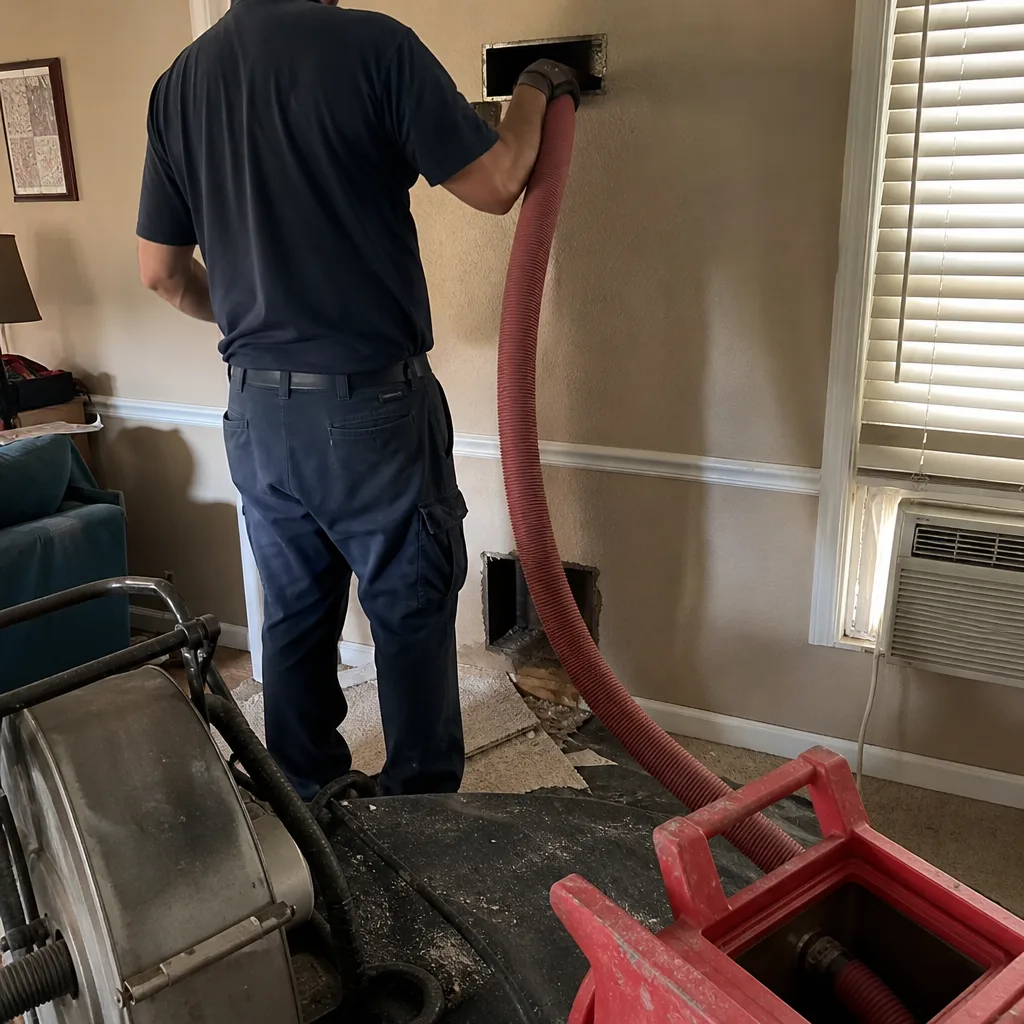 Before
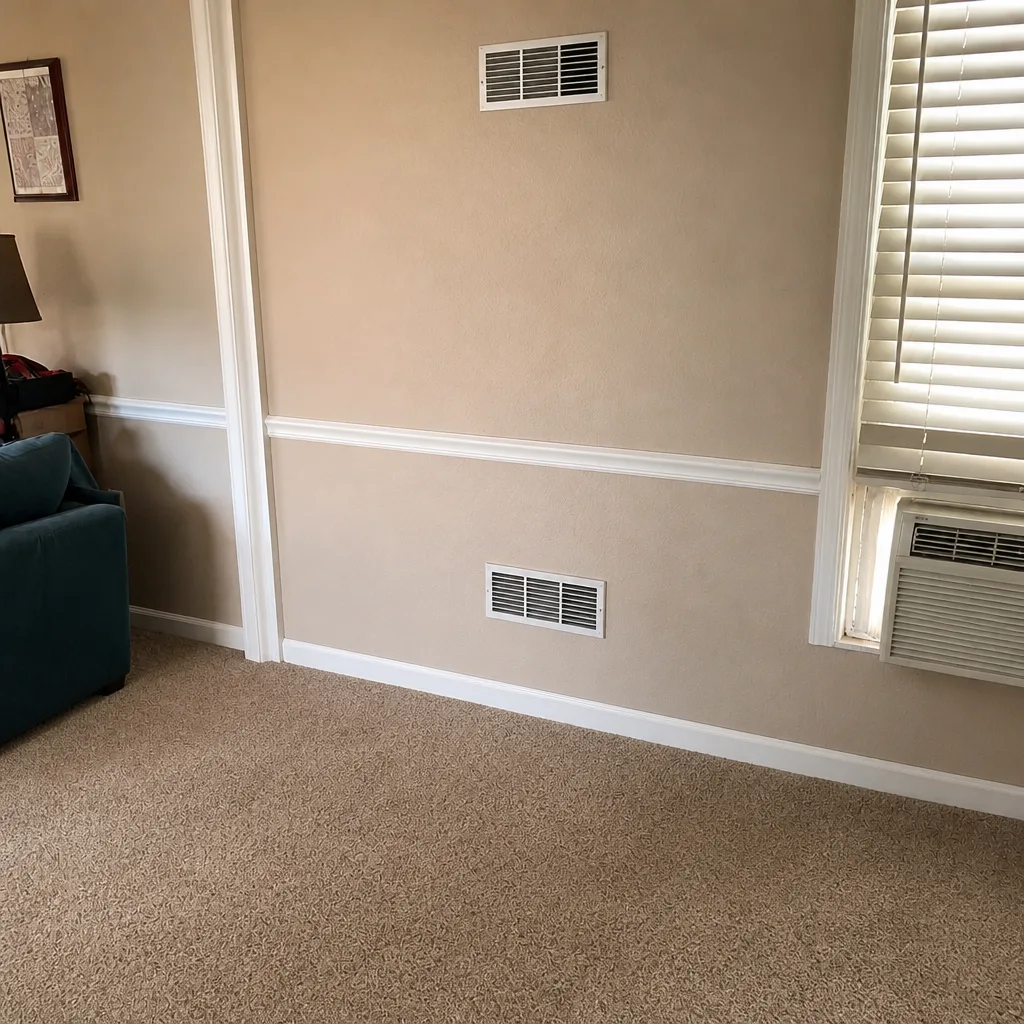 After
When to Call a Professional
Call a professional when the signal you’re seeing falls into the same-week tier: burning smells at the furnace, black streaking at registers, fuzzy growth or standing moisture in the pathway, or visible debris blowing from supplies. Also call if the performance pattern (uneven rooms, rising runtime, higher bills) is steady and your filter changes haven’t fixed it, or if anyone in the home has a respiratory vulnerability and the musty smell keeps returning. A visual inspection that’s honest about what it finds will tell you whether you need a cleaning, a repair and seal, or a closer look at the equipment. Hermitage Air Duct Cleaning offers free estimates in Hermitage. Call (855) 726-7834. We answer 24/7. Fast dispatch from 7am to 7pm, Sunday through Friday. The written estimate sets the price, and it’s agreed before any work begins.
Frequently Asked Questions
Air duct cleaning in Hermitage is priced per system by written estimate, so the cost depends on the number of systems, how many supply and return runs each one has, and whether repair and sealing work is needed. We don’t price per vent and we don’t publish a teaser coupon figure, because that model is how the bait-and-switch starts. The honest path is a free estimate that produces one flat price per system. Call (855) 726-7834 for an exact quote; estimates are free.
Cheap quotes are usually cheap for a reason: low crew time, no source-capture equipment, no sealing, and a per-vent tally that looks small in the ad and grows on site. A quote that isn’t a flat price for the whole system, isn’t in writing, and doesn’t promise photos of your own ducts is a quote with a trap built in. Call (855) 726-7834 and ask what’s in the flat price.
Ask for before-and-after photos of your own ducts, and take a walk-through of the equipment and register openings. A legitimate job leaves visible evidence of what was removed and what was cleaned. If the company won’t provide photos of your ductwork, that’s the answer to your question. Call (855) 726-7834 to schedule a free estimate.
There’s no fixed calendar, but Hermitage’s long humid summers and heavy pollen seasons mean the pathway builds contamination faster than in drier climates. A reasonable approach is a visual register check each season, a filter schedule you actually keep, and a professional cleaning when the warning signs cluster: performance gaps, smells, and visible contamination. Call (855) 726-7834 if the signs are stacking up.
It helps at the edges. A clean coil and drain pan remove a moisture source, and a sealed pathway stops pulling humid air in through leaks. Persistent humidity that makes the house sticky and keeps a musty smell around is usually a humidity control question rather than a cleaning one. We work with Honeywell and Aprilaire whole-home solutions for that. Call (855) 726-7834 to talk through your situation.
A burning smell when the furnace fires up can come from debris resting on a heat exchanger, and reduced airflow makes that worse. It can also come from an electrical component, especially on a heat pump. It isn’t a smell to diagnose from the couch: shut the system down, call us, and let a technician inspect the combustion side and equipment carefully. Call (855) 726-7834. We answer 24/7.
The Bottom Line
Warning signs cluster long before obvious contamination appears, and they show up first in performance data and air quality patterns: a temperature gap between rooms, a longer runtime, a 15% rise in your bill, and a smell you can classify. Learn to read your registers, classify odors by type rather than intensity, and separate seasonal allergy timing from HVAC-cycle timing. Use the decision matrix to sort same-week calls from scheduled visits. Then insist on a flat price per system, a written scope, and before-and-after photos of your own ducts, because that is the difference between a real cleaning and a low coupon price that balloons on site.
Call (855) 726-7834 for a free estimate. We answer 24/7. Fast dispatch from 7am to 7pm, Sunday through Friday.
Written by the team at Hermitage Air Duct Cleaning.