
Last updated November 24, 2026
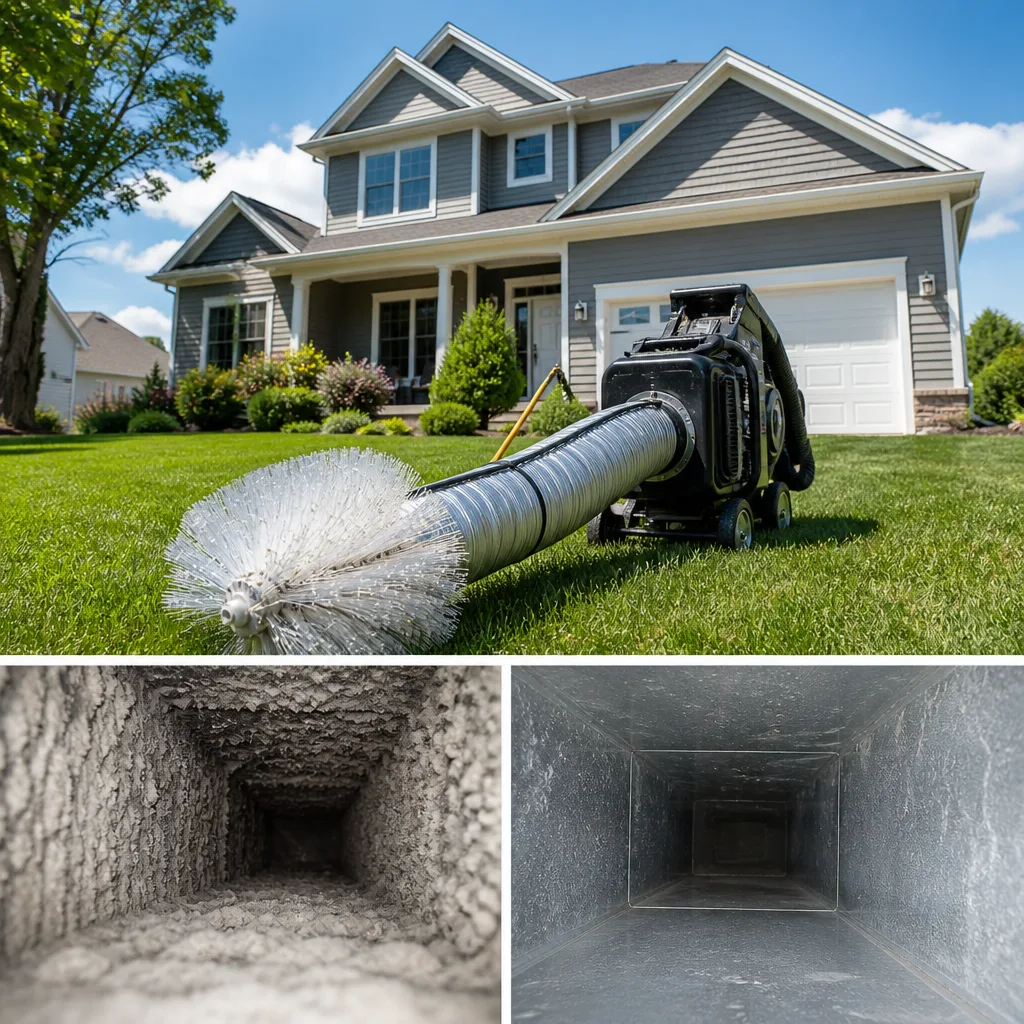 Whole-home duct cleaning
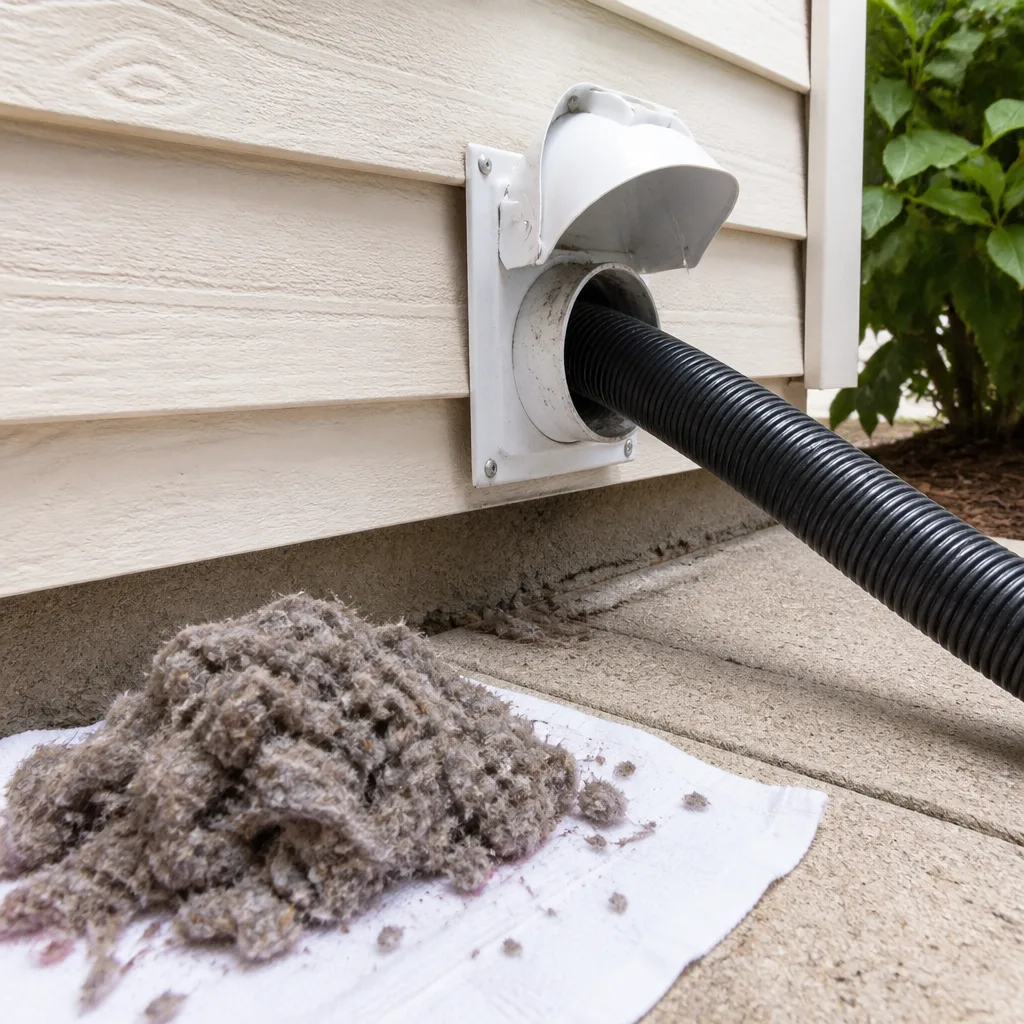 Dryer vent cleaning
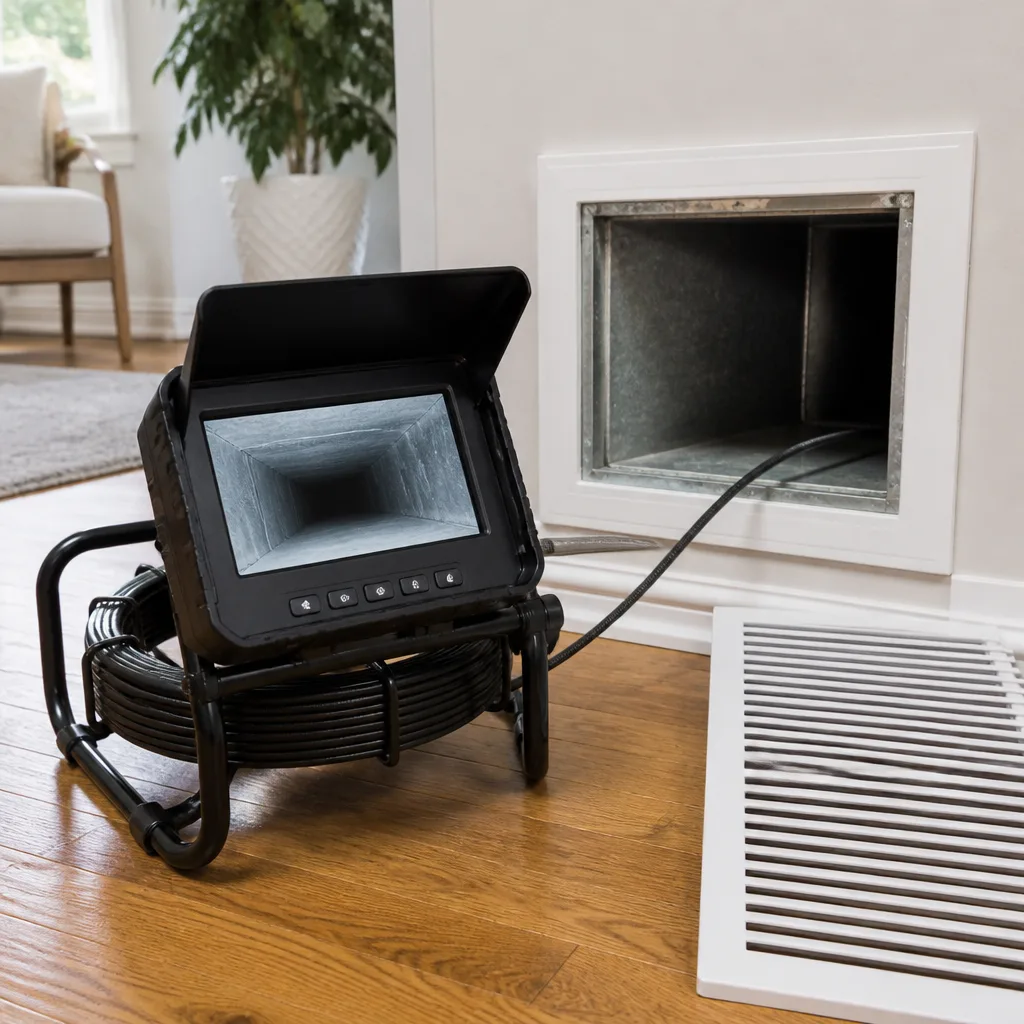 Camera inspection
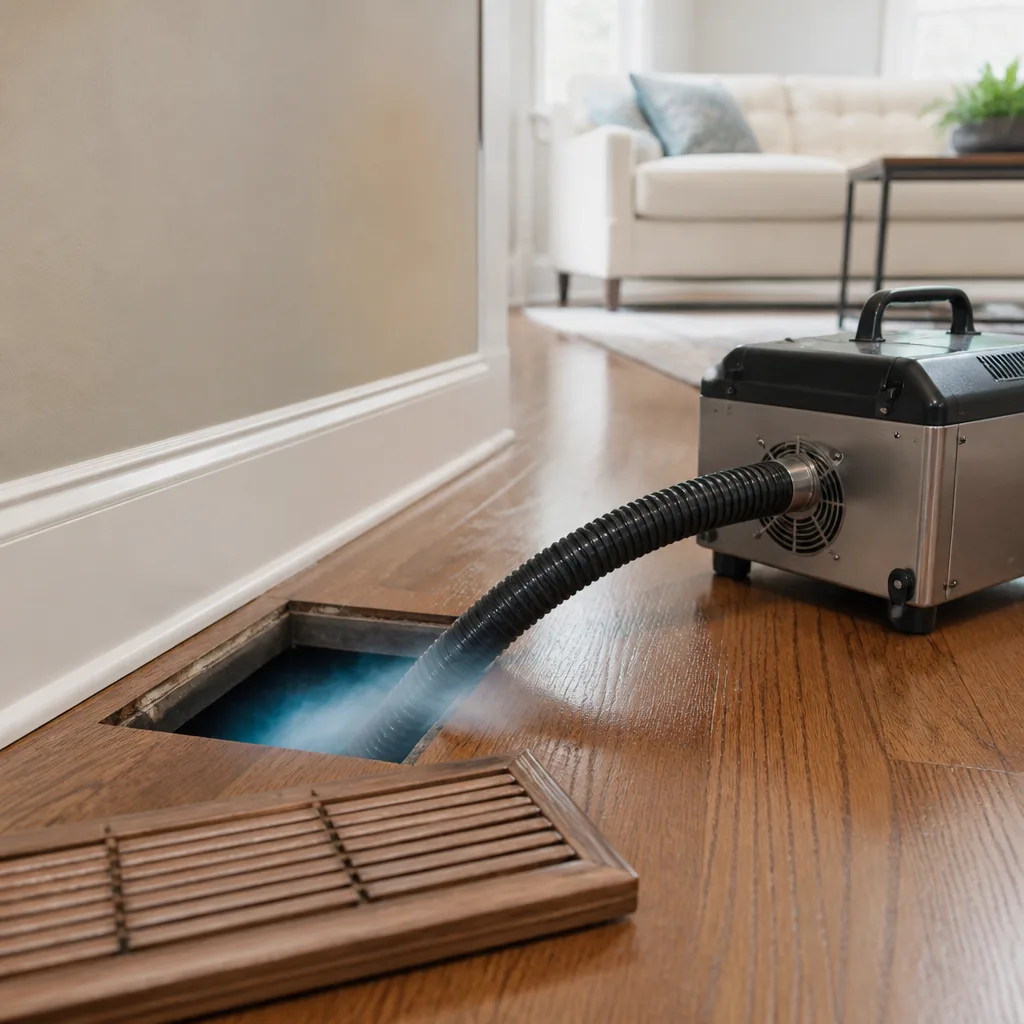 Sanitizing & deodorizing
Whole-system duct and dryer vent check with before-and-after photos - you see exactly what came out of your vents
That "$99 whole-house special" is a bait ad - the real number appears once they are in your hallway, or the "clean" is a shop-vac at the register. We photograph the inside of your ducts before and after instead.
The Complete Guide to Air Duct Cleaning in Hermitage
Here’s the part most duct cleaning guides leave out: a vacuum-and-brush job done carelessly can knock loose years of debris from your duct walls and send it straight into the evaporator coil. Your ducts read “clean” on the invoice while your HVAC unit quietly clogs over the following weeks. That’s the difference between cleaning a pipe and cleaning a system. In this guide, we walk through how a home’s air pathway actually works in Hermitage, why the NADCA ACR standard matters, what a complete clean touches beyond the ducts themselves, and what documentation you should see before you pay.
Quick Answer
Air duct cleaning in Hermitage means cleaning the entire air delivery system, not just the duct runs: supply and return ducts, registers, the plenum, the blower, the evaporator coil and the drain pan. A complete job uses source-capture vacuum equipment held under negative pressure and agitates debris with contact tools like Rotobrush. If a proposal only mentions vacuuming vents, it’s not a whole-system clean.
Styles & brands we work with
- Whole-home duct cleaning
- Dryer vent cleaning
- Camera inspection
- Sanitizing & deodorizing
Table of Contents
- How a Hermitage Home’s Air Pathway Is Built
- Why Negative Pressure Is the Whole Job (and How to Verify It)
- The Five Components Beyond the Ducts
- How Tennessee Humidity Feeds Growth at Duct Joints
- What a Proper Clean Looks Like, Step by Step
- What Your Post-Cleaning Inspection Should Document
- Repair and Sealing: Closing the Loop on Energy Loss
- Dryer Vent Cleaning as a Fire-Safety Service
How a Hermitage Home’s Air Pathway Is Built
The layout of your home determines where contamination collects. A ranch on a slab, common across Hermitage subdivisions, runs supply trunks through the attic in insulated flex duct with short, low-resistance runs to ceiling registers. Split-levels with crawlspaces push conditioned air through longer flex or hard-pipe runs tucked under the floor joists. Those two layouts fail differently.
In attic-routed systems, high summer attic temperatures soften flex duct and stress the seams at every collar and takeoff. A supply register in a slab-ranch bedroom may be fed by a short ten-foot run while a hallway return pulls from a longer path, and the shorter runs deliver more air than the long ones. That imbalance changes where dust settles. Crawlspace systems in split-levels gather more ground-level dust because the return pulls from low wall registers close to the floor, where a household’s dirt and pet hair concentrate.
Here’s what we look for on a typical Hermitage walkthrough:
- Return plenum condition – the single largest collection point in most homes, often where the filter frame sits and dust bypasses a poorly seated filter.
- Flex duct sag and pinch points – flattened sections that reduce flow and let debris settle in low spots.
- Register and boot gaps – drywall gaps around ceiling boots where attic air and dust find a path into the supply stream.
- Access panel location – whether the system has working access at the air handler or whether cleaning tools need a temporary opening.
This is also why the equipment matters. When we approach a Hermitage system with air duct cleaning equipment from Rotobrush, we’re using contact tools that agitate the walls while a collection unit holds the system under vacuum, so loosened material travels toward the filter, not into the living space.
Why Negative Pressure Is the Whole Job (and How to Verify It)
The NADCA ACR standard requires the duct system to be held under negative pressure during cleaning so loosened debris is captured at the source rather than released into the home. In practical terms, that means a vacuum collection unit is connected to the system, the system is sealed at the far end, and the technician uses a combination of air whips, brushes and contact tools to move debris toward the collection point. Every bit of it depends on the seal holding. A vacuum running without a sealed system is a shop-vac with extra steps.
You can verify this without being a technician. Ask these questions at the estimate:
- Where will the vacuum connect? The answer should name a specific spot: a main trunk tap, a return plenum connection, or a temporary access opening sealed around the hose.
- How will the system be sealed? Registers and returns should be blocked or covered, and the technician should describe the method.
- What tools agitate the duct walls? Look for names like Rotobrush or Nikro, or descriptions of air whips and rotary brushes. A single push-broom on a pole is not contact cleaning.
- Will the technician demonstrate negative pressure? A simple test with a strip of paper at an open register or a handheld gauge reading tells you whether the seal is holding.
- Is there a HEPA or source-capture filtration stage? Equipment like Abatement Technologies filtration units signals remediation-grade capture, which matters in homes with mold concerns, renovation dust, or post-construction debris.
If a contractor can’t answer these, that’s your answer. Call us at (855) 726-7834 and we’ll walk you through exactly what negative pressure looks like in your specific Hermitage home.
The Five Components Beyond the Ducts
Duct cleaning stops at the duct walls. A full-system clean keeps going. Five components directly interact with the air stream, and skipping any one of them leaves the system half-cleaned on day one.
- Evaporator coil. The most neglected surface in residential HVAC. A dirty coil reduces cooling capacity and air flow, and it’s the component most likely to catch debris dislodged from cleaning ducts above it. A coil brushed clean and rinsed properly is a different cooling system underneath the same ductwork.
- Blower wheel and housing. Dust builds on blower fins in a way that reduces the volume of air moved per minute. A clean blower doesn’t just run quieter; it delivers the designed airflow to every register.
- Drain pan and drain line. Standing condensate is where biological growth starts. A pan that isn’t cleaned and dried properly is a growth site that feeds the whole system.
- Registers and boot interiors. The visible grille catches large debris, but the boot behind it collects the finer dust that settles from turbulent air at the turn. Cleaning the boot without cleaning the register, or vice versa, gives the appearance of a clean room with a dusty supply.
- Return and supply plenum. The transition boxes directly at the air handler carry the highest air velocity in the system, and they collect the most material because of it.
Air quality starts with what’s moving the air. When we service a Hermitage home, we treat HVAC cleaning as inseparable from duct cleaning for exactly this reason: a clean duct pathway and a dirty coil give you the same indoor air you started with.
How Tennessee Humidity Feeds Growth at Duct Joints
Middle Tennessee summers sit in a humidity range that keeps condensation active on cold duct surfaces, and duct joints that aren’t sealed properly are where it concentrates. When cool supply air meets warm, moist attic or crawlspace air at an unsealed seam, the joint sweats. That moisture film is a food source for microbial growth, and the growth spore-casts into the supply stream.
Two things compound the problem in a Hermitage home:
- Attic flex duct run through unconditioned attic space. Insulated flex duct is meant to hold supply-air temperature, but when the outer jacket is torn or a joint is taped loosely, that insulation layer gets saturated and loses its capacity.
- Crawlspace systems. Ground moisture migrates upward through the crawlspace floor and meets the return duct. A return plenum with a loose seam draws that humid, spore-heavy air directly into the system.
We work with Honeywell and Aprilaire whole-home IAQ products because the answer isn’t always “clean more often.” A properly sized whole-home filtration or humidity control system can reduce what’s in the air stream before it hits the ducts. If a Hermitage home shows chronic moisture issues and frequent duct cleaning needs, that’s a signal to address the source rather than schedule another clean. A call to (855) 726-7834 gets you a walkthrough of your options.
What a Proper Clean Looks Like, Step by Step
A whole-system clean is a sequence, not a single visit to the registers. Here’s the order we follow on a typical Hermitage job, and the order any competent contractor should follow.
- Pre-clean inspection and photos. Document existing conditions: duct interior, coil, blower, drain pan, register interiors. Before-and-after documentation starts here.
- System setup and seal. Connect the source-capture vacuum to the main trunk or return plenum. Seal every register, return and access opening so the vacuum is pulling against a closed system.
- Contact cleaning of supply runs. Air whips and rotary brushes travel through each supply branch from the trunk to the boot, agitating debris toward the collection point.
- Contact cleaning of return runs and plenum. Return ducts carry the most material in most homes, so this stage runs in reverse: from the return back toward the collection point at the air handler.
- Coil, blower and drain pan cleaning. With the ducts still under vacuum, clean the air handler’s interior surfaces. This is the step that prevents dislodged dust from landing on the coil.
- Register and boot cleaning. Remove, wash and dry every supply and return register. Wipe the boot interiors.
- Sanitizing (where appropriate). Apply EPA-registered sanitizer only when inspection calls for it, and only after the system is physically clean.
- Post-clean inspection and photo documentation. Same camera angles, same locations, after condition documented for the homeowner.
Nikro and Rotobrush equipment handles steps three and four in one pass in most trucks, which is why the sequence holds together. When it doesn’t, it usually means a duct run is damaged, pinched or disconnected somewhere the technician had to open access to find.
What Your Post-Cleaning Inspection Should Document
A proper post-cleaning inspection is your proof of work, and you should not pay until you see it. The technician should walk you through the system and show you these deliverables:
- Matching before-and-after photos of the duct interior at a minimum of four locations: main trunk, one supply branch, return plenum, and coil surface.
- Coil condition documentation. A photo of the coil before and after cleaning, with fins legible in the after image.
- Blower wheel documentation. Fins visibly clean, not just running.
- Drain pan and drain line condition. Dry, clear, and free of standing water.
- Register condition at every supply and return in the home, not a representative sample.
- A written summary of any sealed or repaired joints, tears, or disconnected runs found during cleaning.
- Filter reminder. The filter size and recommended replacement interval noted on the file for the next service.
If a contractor won’t show you the inside of your own system, that’s the answer you needed. Call (855) 726-7834 to schedule an inspection where every photo is yours to keep.
Repair and Sealing: Closing the Loop on Energy Loss
Cleaning a duct system with leaking joints is a temporary fix. Every unsealed seam in a supply run leaks conditioned air into the attic or crawlspace, and that leak pulls unconditioned air, dust and humidity into the return. The result is a home that runs its HVAC longer to maintain the same temperature while drawing more contamination into the air stream with every cycle.
Repair and sealing addresses this directly. Common repairs on Hermitage homes include resealing flex duct joints at collars and takeoffs, replacing torn outer jackets on attic flex runs, reconnecting disengaged branches found during cleaning, and mastic-sealing gaps at ceiling boots and plenum connections. These are not add-ons sold at the door. They’re what a proper inspection turns up, and they’re what keeps the cleaning holding.
Our Hermitage Air Duct Cleaning service covers cleaning, sanitizing, repair, sealing and dryer vent work as separate categories because they solve different problems. A clean system with sealed joints stays clean longer, uses less energy, and delivers the airflow your equipment was designed for.
Dryer Vent Cleaning as a Fire-Safety Service
Dryer vents are the other air pathway in your home, and they carry lint at high temperature. Most duct-only companies don’t touch them. When lint accumulates in a dryer vent, the dryer runs hotter, drying times climb, and the system operates closer to its ignition threshold. That is the reason we treat dryer vent cleaning as a fire-safety service rather than a tacked-on upsell.
A proper dryer vent clean includes the full run from the dryer connection to the exterior termination, inspection of the transition duct, verification that the exterior damper opens and closes, and confirmation that the run has no crushed or pinched sections. In a Hermitage home with a dryer vent routed through a wall and up to a roof or side-wall termination, that full run is longer than most homeowners realize and can hold more lint than the visible area suggests.
Common Mistakes to Avoid
- Paying for a “one-vent price” that becomes a full bill once the truck is parked. Whole-system work should be quoted as a whole-system price before work starts, with no per-register tally added at the end.
- Skipping the coil. A duct clean that doesn’t address the evaporator coil puts dislodged debris somewhere it can cause a real problem. Ask specifically about coil cleaning before you book.
- Trusting a clean without negative pressure. If nobody describes the vacuum connection, the seal, or where debris will travel, the clean is a surface brush job in a duct.
- Ignoring the return. Returns carry the most material in most Hermitage homes. A proposal that lists supplies only is half a job.
- Sanitizing before cleaning. Sanitizer applied to a dusty duct coats the debris, not the wall. Physical cleaning comes first; sanitizing is a follow-up, only when inspection calls for it.
- Forgetting the dryer vent. It’s a separate pathway with separate fire risk and deserves its own cleaning on its own schedule.
- Not sealing found leaks. Cleaning without repair means the next round of contamination starts immediately through the same unsealed joint.
See the difference
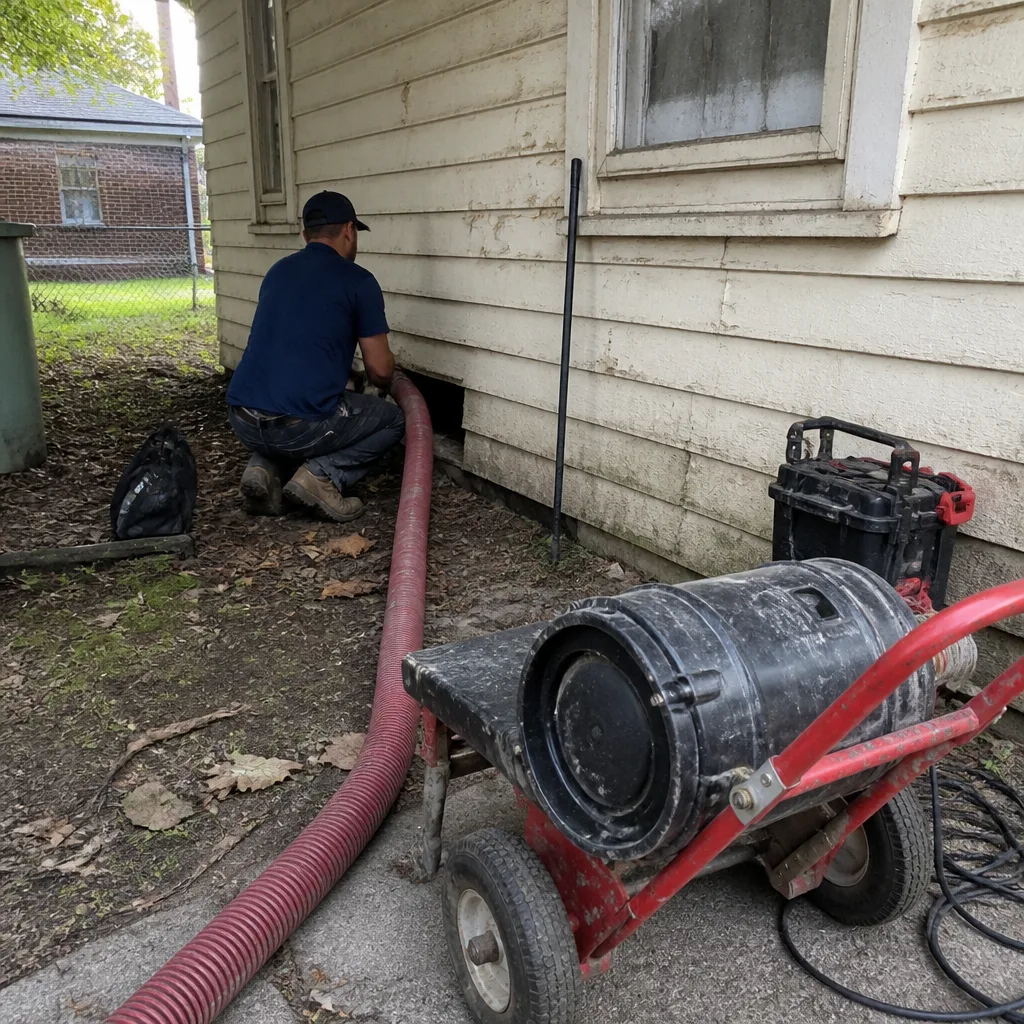 Before
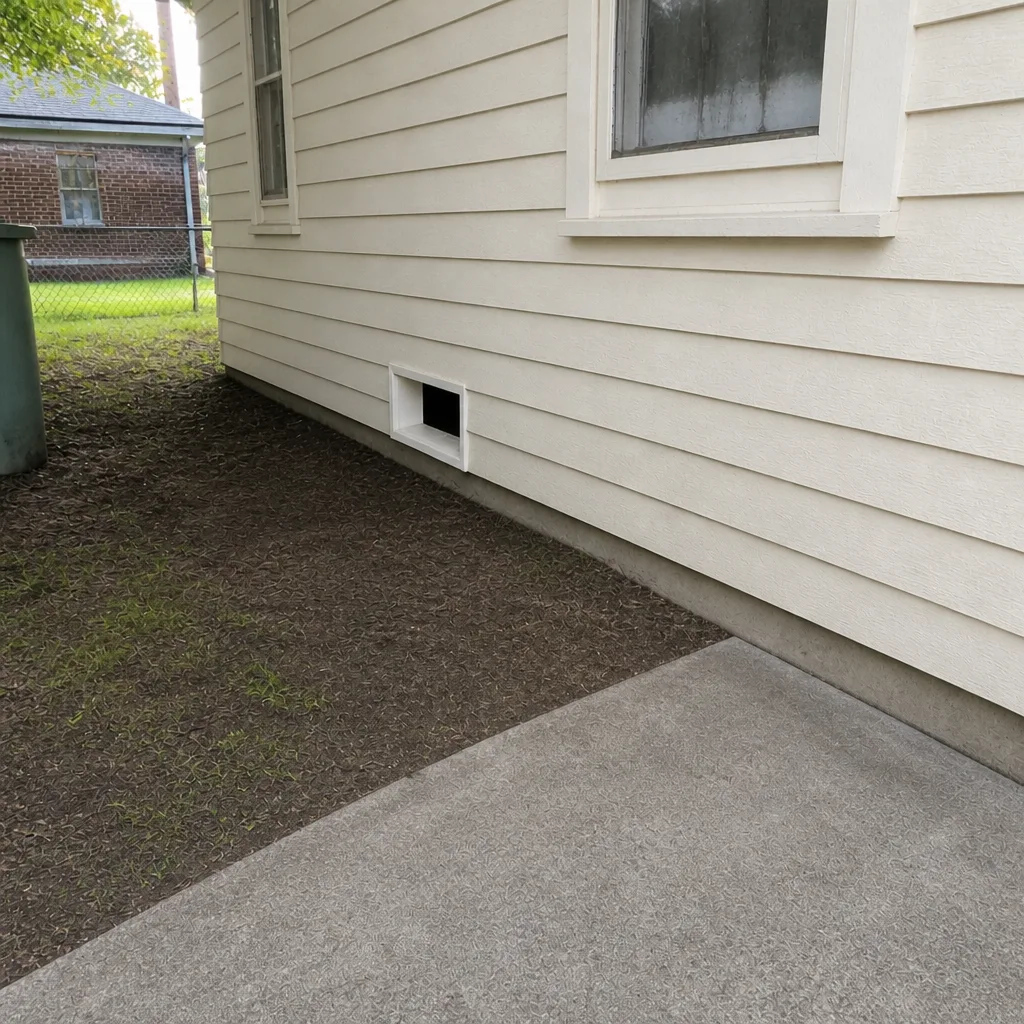 After
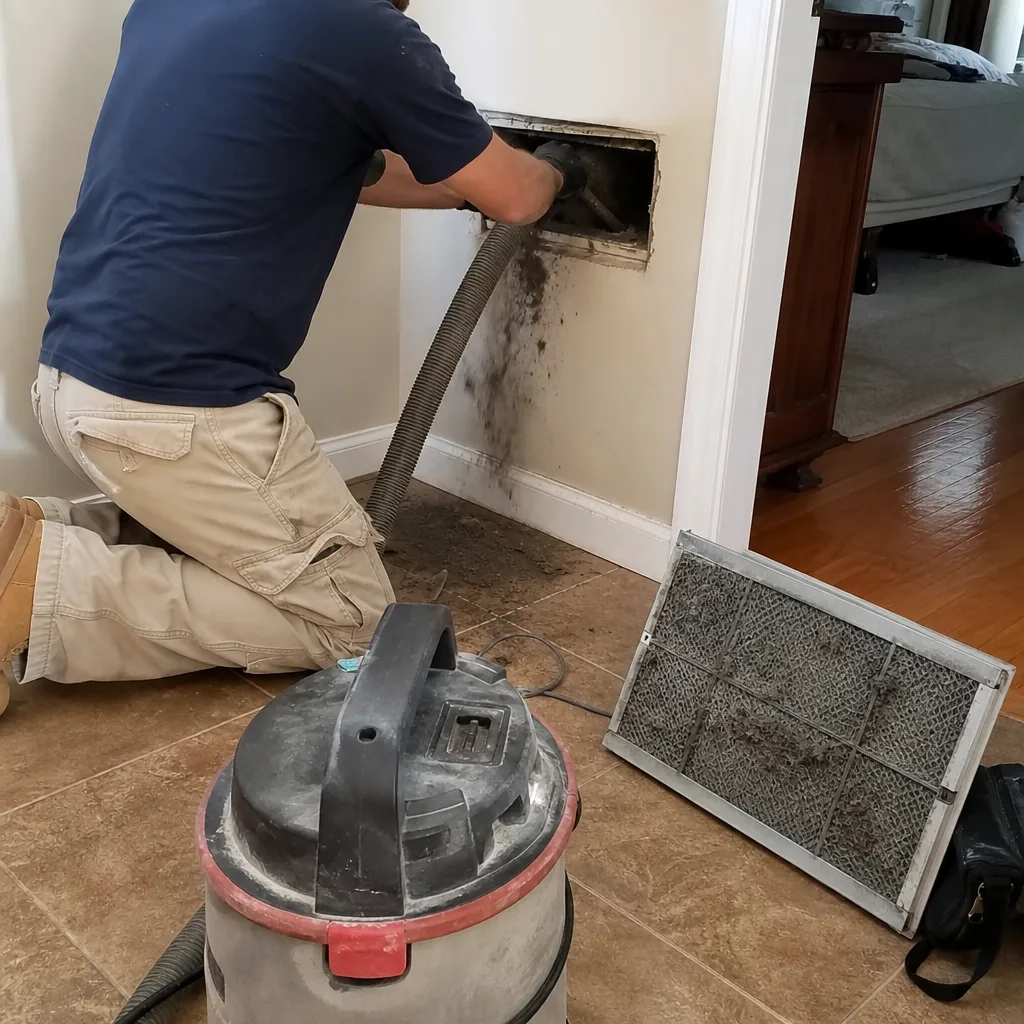 Before
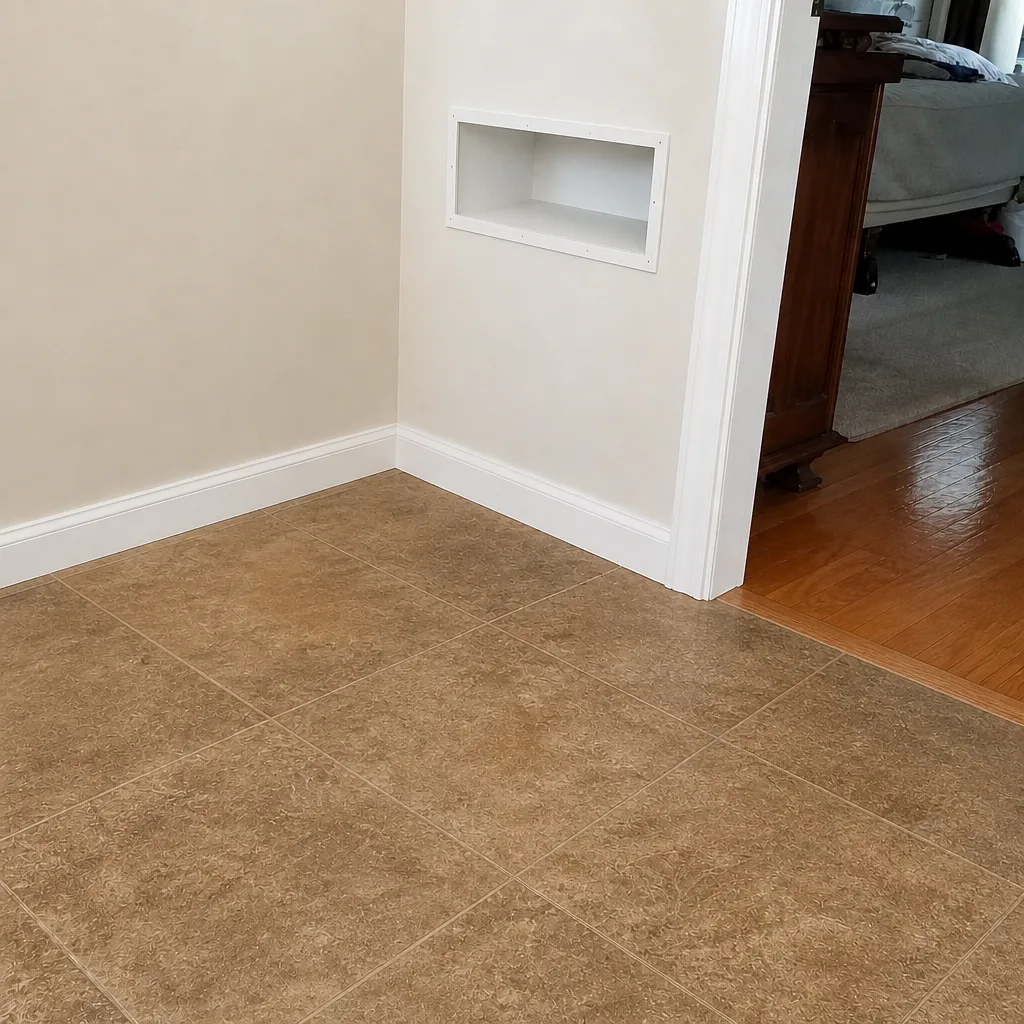 After
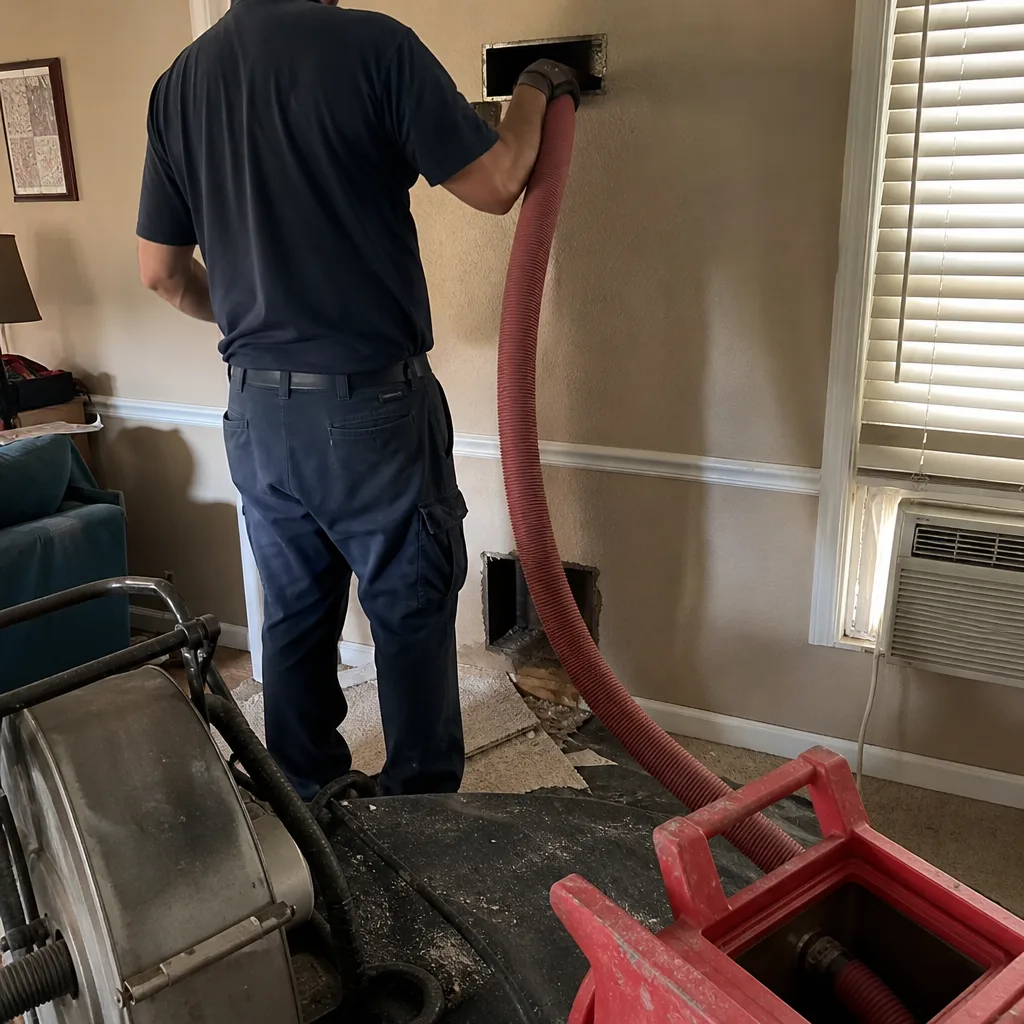 Before
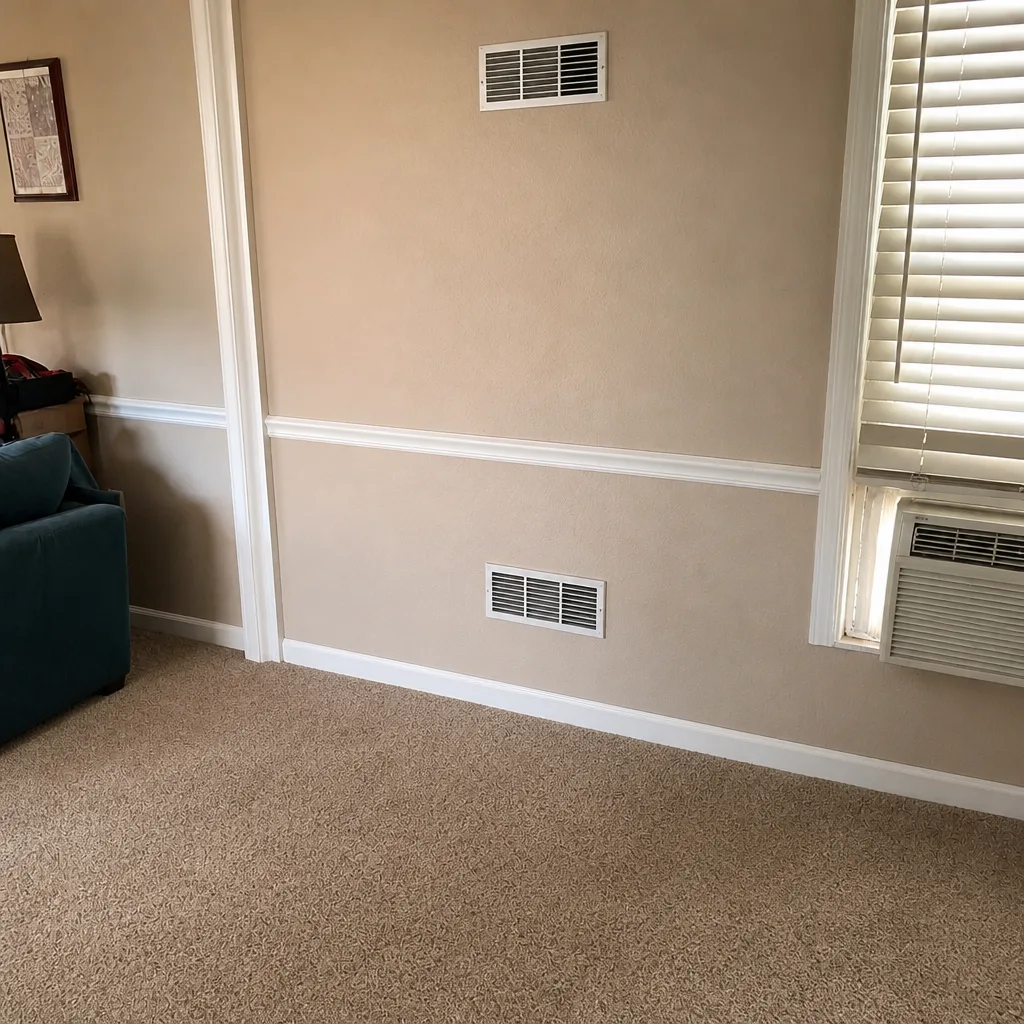 After
When to Call a Professional
Call a professional when you notice more than a single filter change’s worth of dust returning within weeks, when visible dust blows from a supply register on startup, when a renovation or recent construction left fine dust in the home, when a musty smell follows the air handler cycle, or when the system hasn’t had a documented inspection in several years. Call also when a dryer is taking noticeably longer to dry a load, since that’s the most reliable indicator of a restricted dryer vent.
Hermitage Air Duct Cleaning offers free estimates in Hermitage. Call (855) 726-7834. We answer 24/7. Fast dispatch from 7am to 7pm, Sunday through Friday. Our technicians have up to 14 years of experience and can walk you through what a whole-system clean will involve before you commit.
Frequently Asked Questions
The written estimate is what you pay, and it’s quoted per whole system, not per vent. Price depends on the number of systems, duct material, attic or crawlspace access, and whether coil and blower cleaning are included. Call (855) 726-7834 for a free estimate.
Cheap quotes usually leave out the coil, blower, drain pan and return plenum, or skip the negative-pressure setup entirely. They look cheaper because they’re a different job. Ask what’s included in the scope before comparing numbers. Call (855) 726-7834 to see a full-system scope laid out line by line.
Before-and-after photos of your own ducts, coil and blower at fixed camera locations, plus a written summary of any repairs made. You should never be asked to pay without them. Call (855) 726-7834 to book an inspection where every photo stays with you.
Most homes need it when they show signs, not on a fixed clock: recurring dust within weeks of a filter change, musty air following a cycle, or a recent renovation. A home with pets, recent construction dust or chronic moisture may need it more often. Call (855) 726-7834 to discuss your specific Hermitage home.
Yes. Cleaning dislodges debris from duct walls, and without a clean coil underneath and a vacuum pulling toward a filter, that material can settle on the evaporator coil and reduce airflow and cooling capacity. Coil and blower cleaning are part of a complete job. Call (855) 726-7834 to make sure your scope covers them.
Yes, and we treat it as a fire-safety service rather than an add-on. The full run from dryer to exterior termination gets cleaned and inspected, including the damper and transition duct. Call (855) 726-7834 to schedule dryer vent cleaning alongside your duct work.
The Bottom Line
A duct clean is only as good as the system it leaves behind. Hold the contractor to a whole-system scope that includes the coil, blower, drain pan, plenum, returns and registers, and to negative-pressure setup with source-capture equipment. Ask for before-and-after photos of your own system before you pay. On a Hermitage home specifically, plan for repair and sealing findings at the duct joints, since local humidity rewards every unsealed seam. And don’t leave the dryer vent off the list: it’s the other air pathway in the house. If your current contractor can’t answer every question in this guide, call Hermitage Air Duct Cleaning at (855) 726-7834 for a free estimate and a walkthrough of exactly what your system needs.
Written by the team at Hermitage Air Duct Cleaning.