
Last updated November 24, 2026
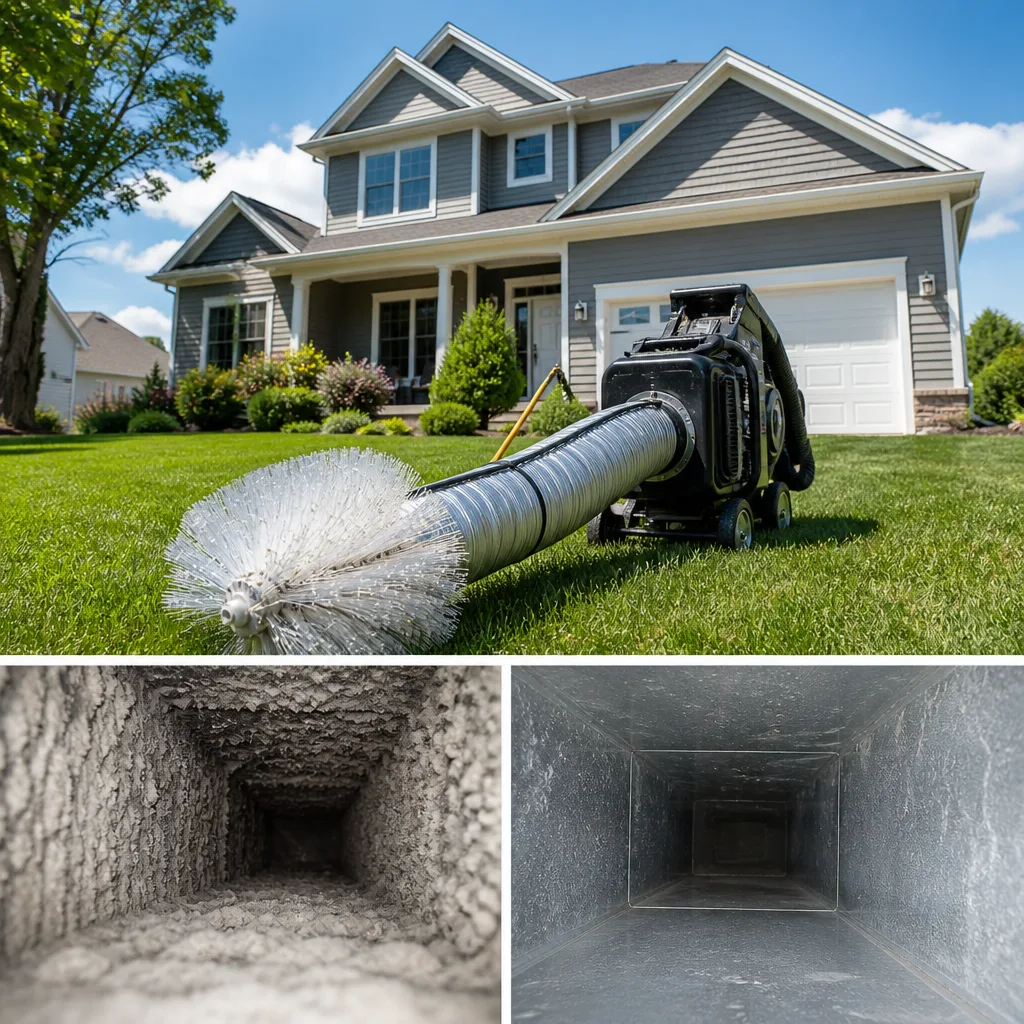 Whole-home duct cleaning
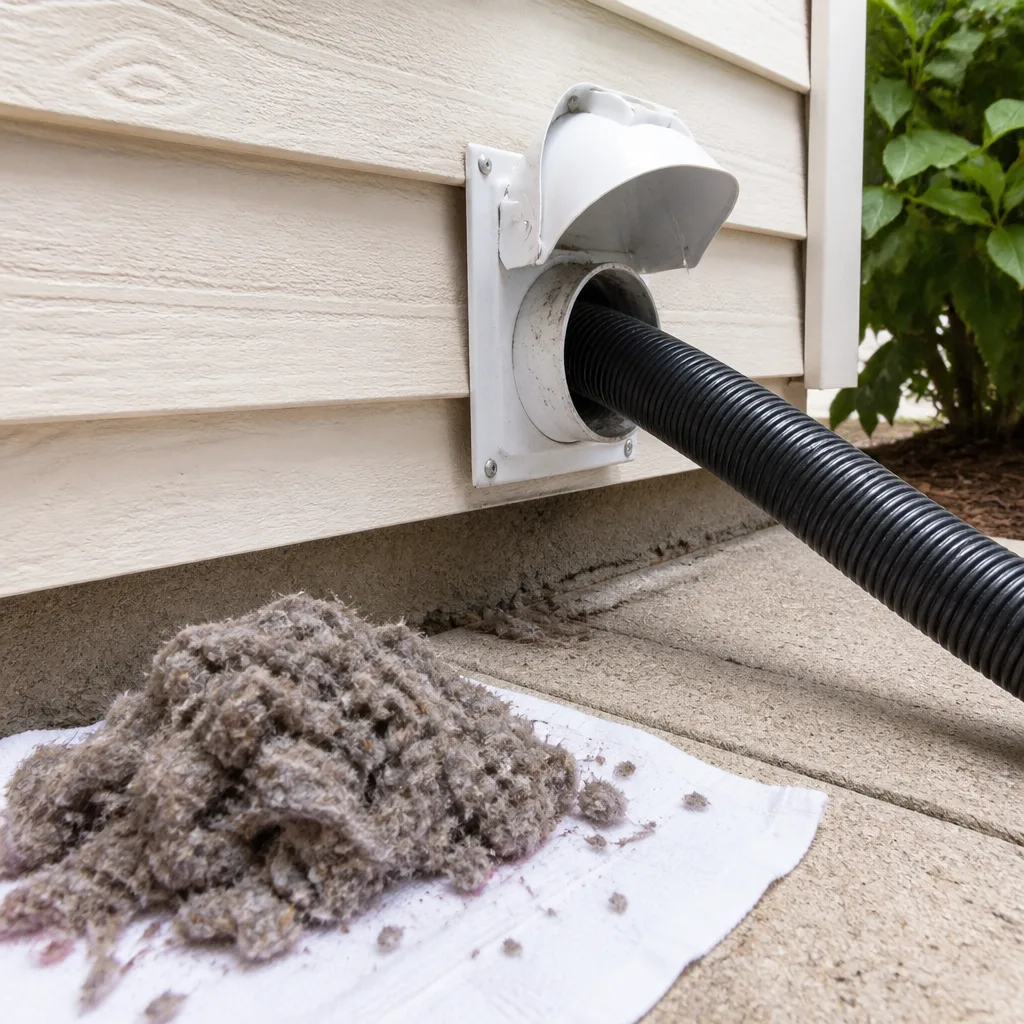 Dryer vent cleaning
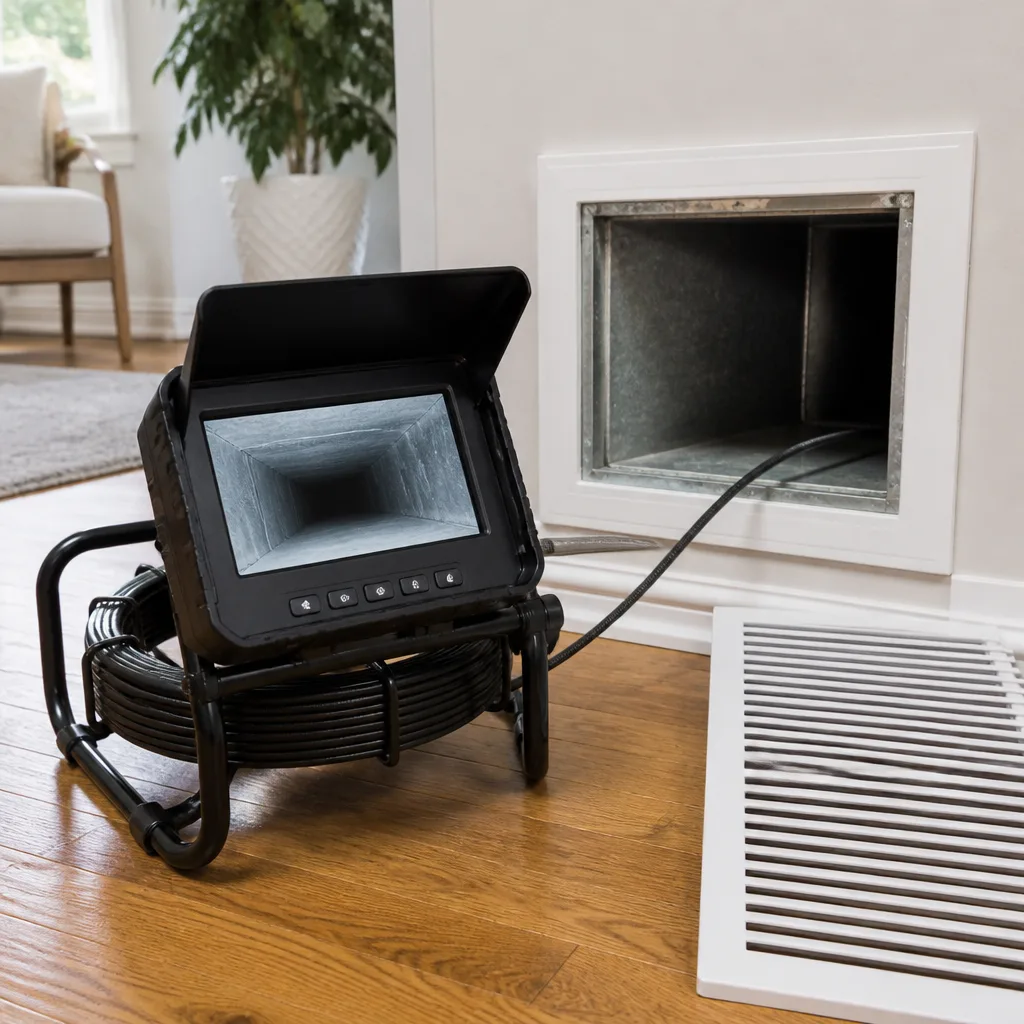 Camera inspection
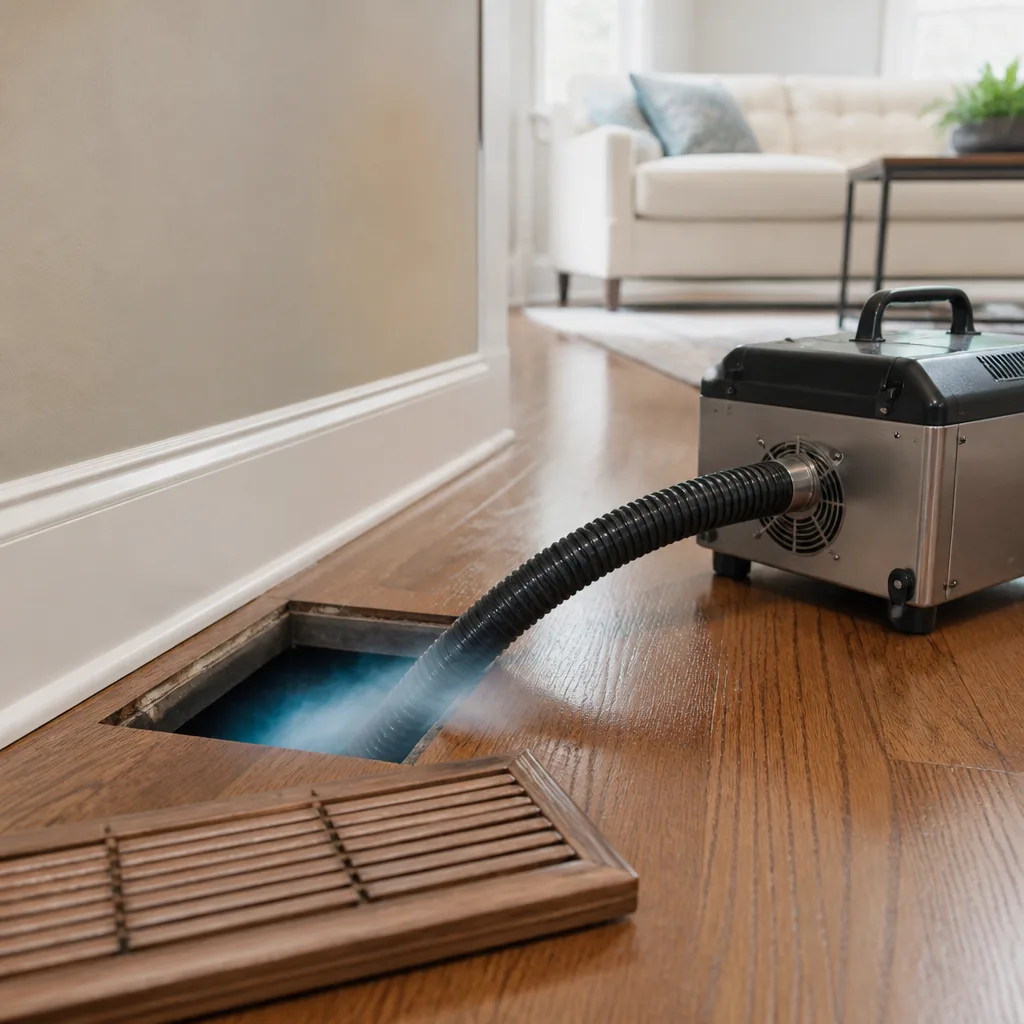 Sanitizing & deodorizing
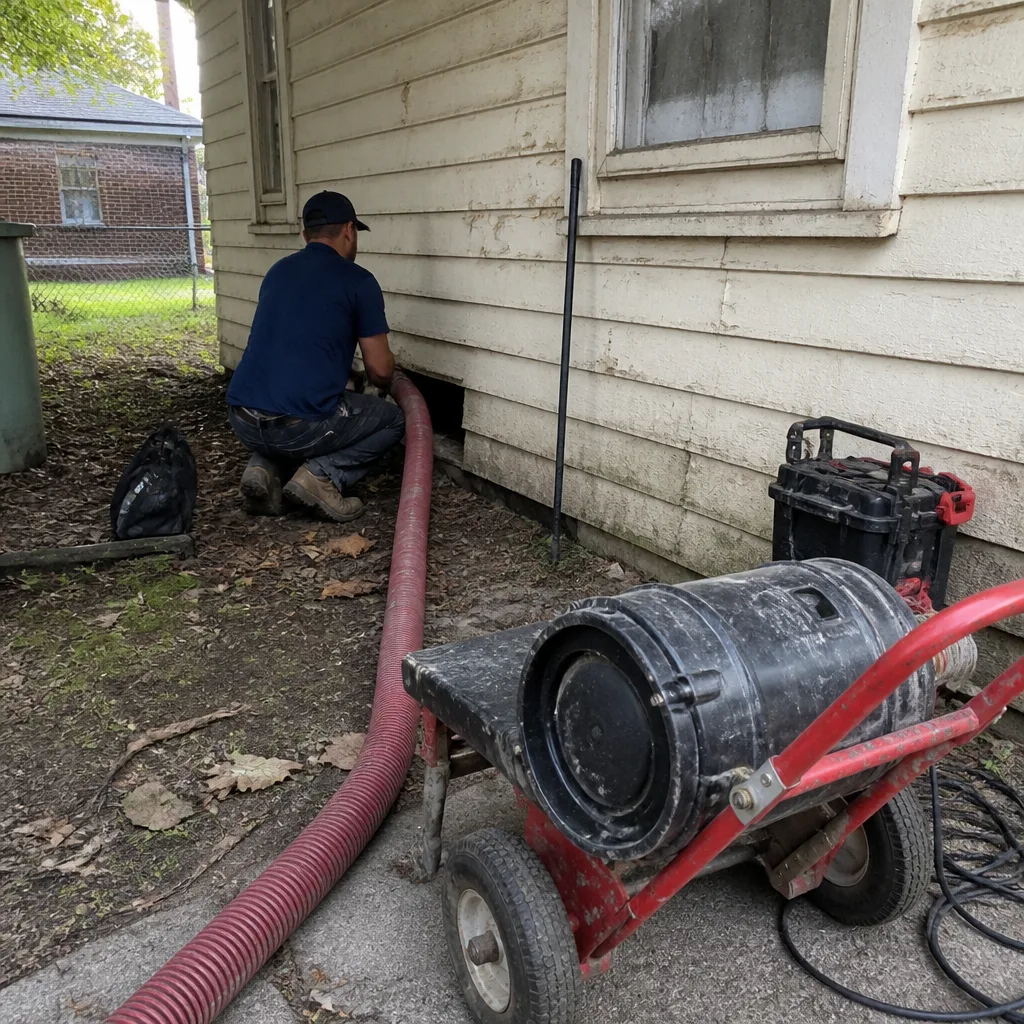
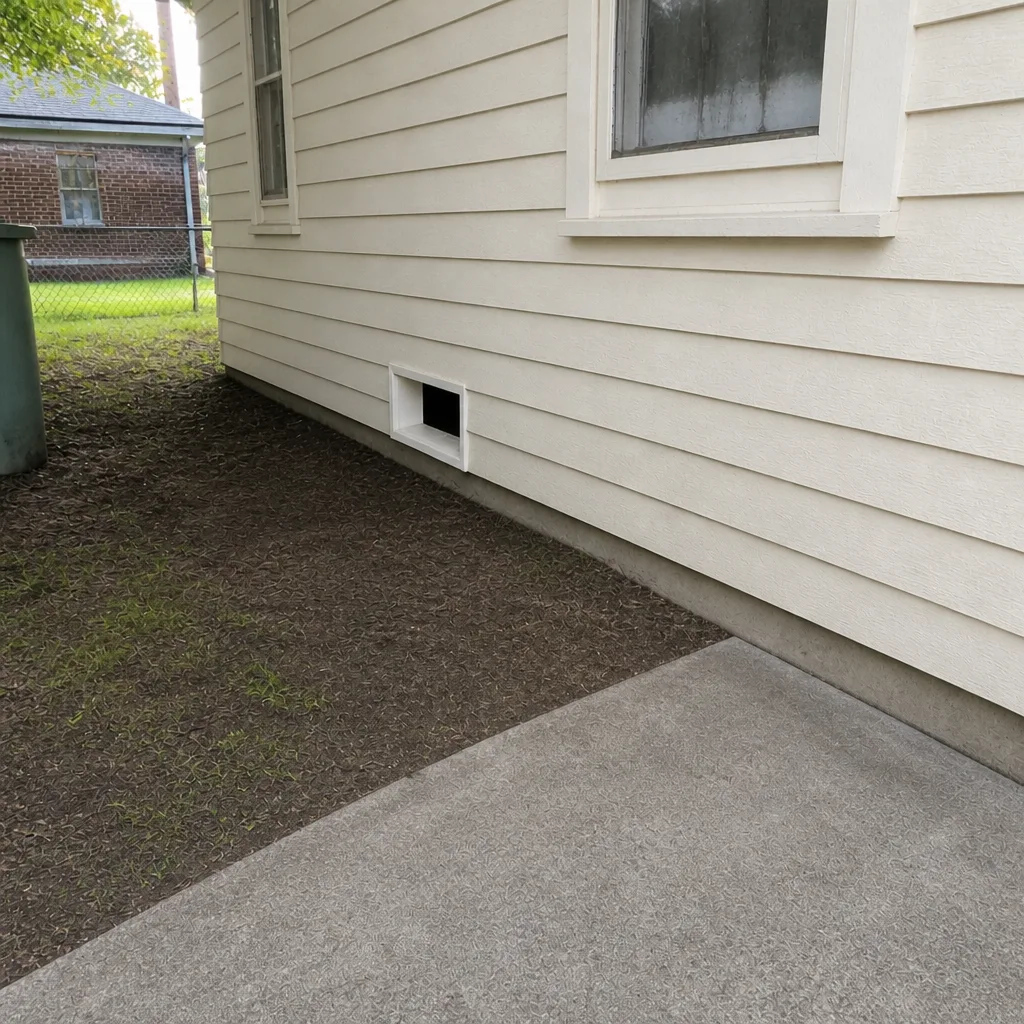
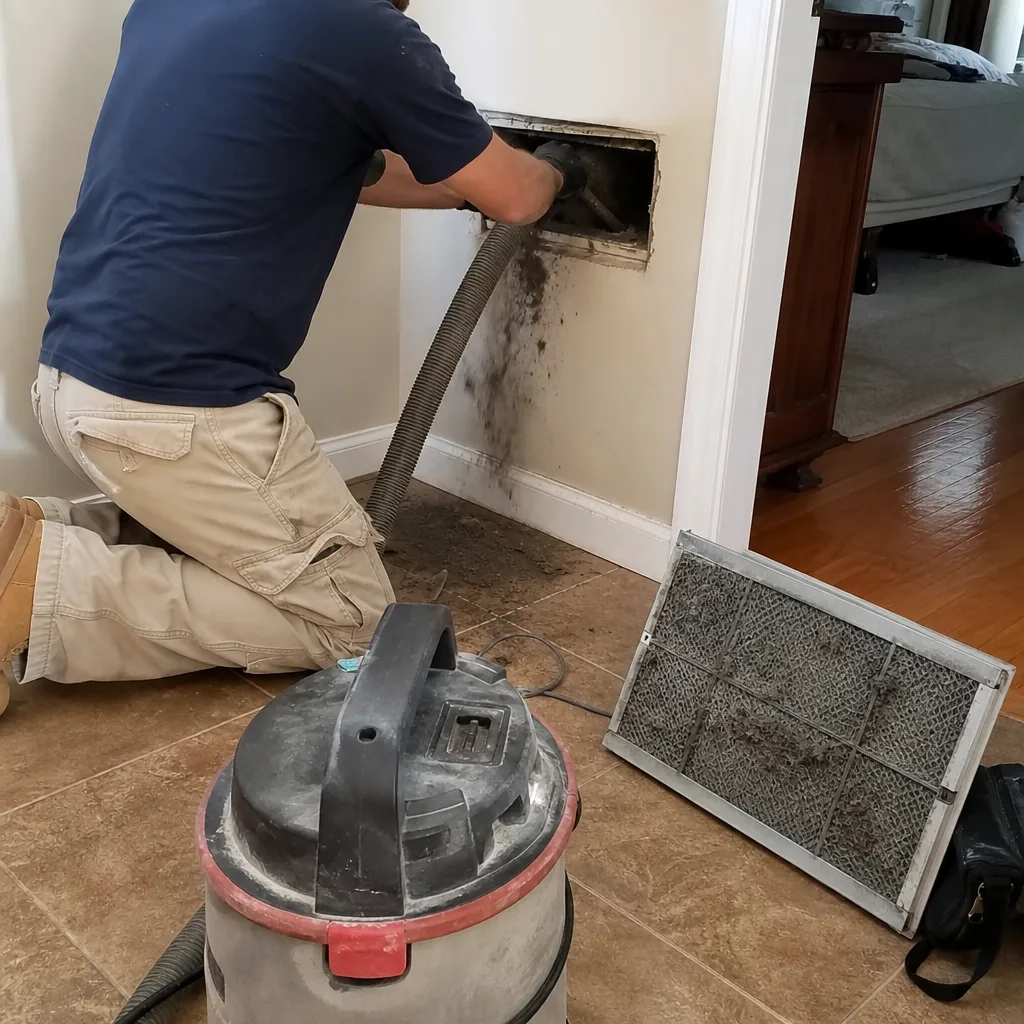
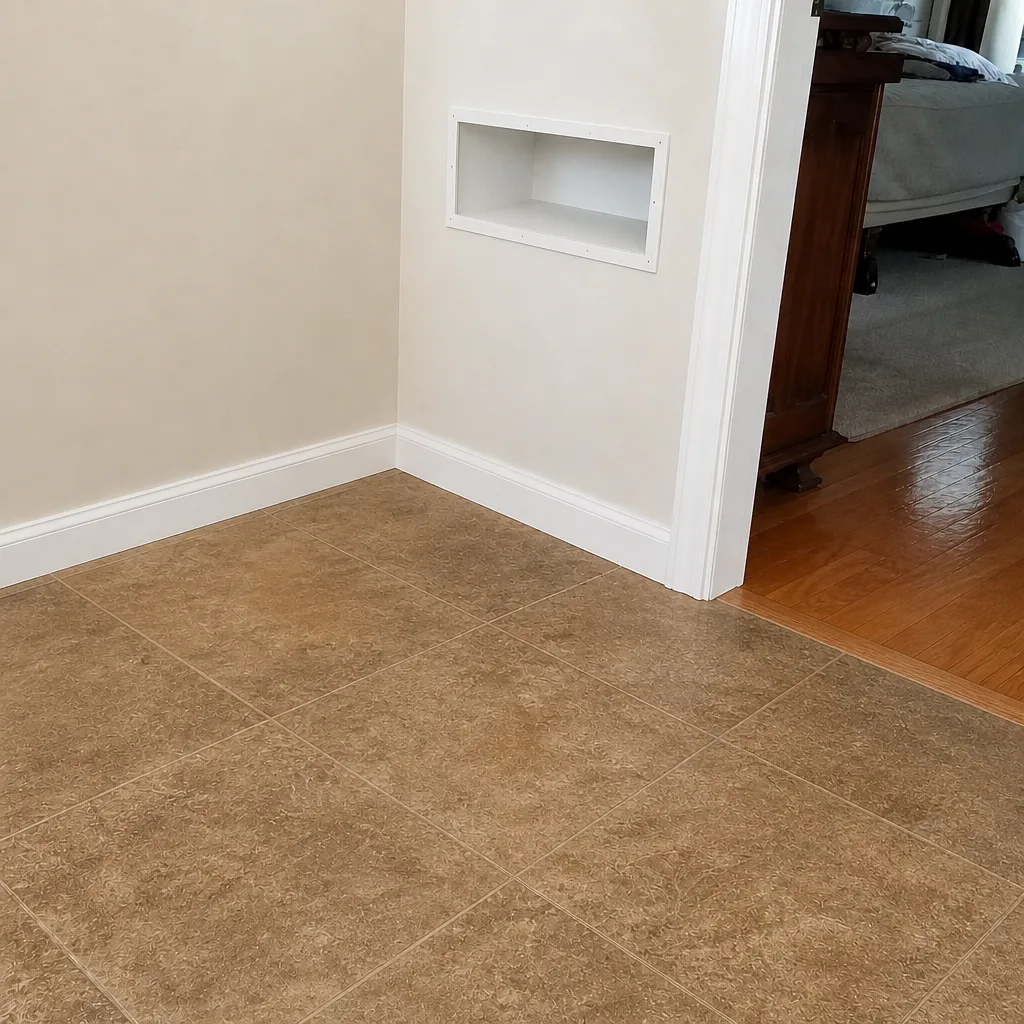
Whole-system duct and dryer vent check with before-and-after photos - you see exactly what came out of your vents
That "$99 whole-house special" is a bait ad - the real number appears once they are in your hallway, or the "clean" is a shop-vac at the register. We photograph the inside of your ducts before and after instead.
How to Hire an Air Duct Cleaning Contractor in Hermitage: A Step-by-Step Guide
The $49 whole-house duct cleaning ad isn’t a deal. It’s the opening move in an upsell script that consumer protection agencies have been warning about since the 1990s, and it still runs in Hermitage. Here’s the part most homeowners miss: the cheap quote isn’t a loss leader, it’s a screening tool. It finds the households that will say yes to a bigger number once the equipment is already in the driveway and the furniture is already moved. This guide walks you through the exact screening questions, the documents to request, the equipment to look at, and the contract language to read before anyone sets foot in your home. By the end you’ll know how to tell a full-system contractor from a vacuum with a logo on it.
Quick Answer
To hire an air duct cleaning contractor in Hermitage, request five documents before booking (business license, general liability insurance certificate, workers’ compensation coverage, the technician’s relevant training, and a sample written scope of work), then verify the license against Tennessee’s contractor databases. Confirm the crew uses negative-pressure equipment with a brush agitation system rather than a shop-vac, and insist on a flat price per system agreed in writing before work starts. Get before-and-after photos of your own ducts, not a stock binder.
Styles & brands we work with
- Whole-home duct cleaning
- Dryer vent cleaning
- Camera inspection
- Sanitizing & deodorizing
Table of Contents
- Why the Cheap Quote Is the Warning Sign
- The Five Documents to Request Before Anyone Enters Your Home
- How to Verify Those Documents in Tennessee
- Equipment Audit: What Real Duct Cleaning Equipment Looks Like
- Reading the Contract: Line Items vs. Vague “Whole-House” Language
- On-Site Red Flags While the Job Is Running
- Post-Job Accountability: Checking the Work Before They Leave
- Why Scope Matters: The Full Air Pathway, Not Just the Vents
Why the Cheap Quote Is the Warning Sign
A $49 or $99 whole-house duct cleaning quote in Hermitage almost never reflects the actual cost of the job. It reflects the cost of getting a truck into your driveway. The economics of the trade don’t work any other way: the fuel to run a negative-pressure unit, the labor for two technicians, the time to pull and reinstall every register, and the disposal of what comes out all cost real money. When the advertised number is lower than the cost of doing the work, the plan is to make it up on site.
The script looks the same almost everywhere. The technician arrives, walks to a supply vent with a flashlight, pulls out a phone and shows you a photo of dust or “mold.” The quote climbs from $49 to several hundred dollars, sometimes with a sanitizing treatment, a “sealant,” and a “deodorizer” tacked on. The homeowner, already committed, usually agrees because the crew is already there and the alternative is sending them away and starting over.
In our experience, the cleanest signal of a legitimate contractor is the opposite: a flat price per system, agreed before the crew arrives, based on the number of supply and return runs and the accessibility of the system. If the number moves once someone is standing in your hallway, ask what changed and get it in writing before anything else happens.
This is the single biggest reason to screen carefully. The Hermitage Air Duct Cleaning approach is to quote the whole system up front, photograph the before and after, and leave the sanitizing and sealing decisions to you as separate line items with their own prices.
The Five Documents to Request Before Anyone Enters Your Home
Any contractor worth hiring will hand these over without hesitation, usually by email, before the appointment is confirmed. If you get a runaround or a promise to “bring them on the day,” that’s your answer.
- State or local business license. This is the basic legal document showing the business is registered to operate. Ask for the legal business name as it appears on the license, not just the trade name on the truck.
- General liability insurance certificate. Ask for a certificate of insurance listing the general liability policy and the expiration date. A legitimate contractor can have their insurer send this to you directly, which avoids the worry that a forwarded PDF is out of date.
- Workers’ compensation coverage. If a technician is hurt in your attic or on your roof while working, workers’ comp is what keeps the claim off your homeowner’s policy. Ask for evidence of coverage.
- Technician training documentation. There’s no single mandatory license for duct cleaning in most states, so the credible substitutes are trade certifications and manufacturer training records. Rotobrush and Nikro systems both come with training programs; ask whether the crew is trained on the specific equipment they’ll use in your home.
- A written scope of work. Not a quote on a napkin, and not the word “whole-house” by itself. A real scope lists the number of supply runs, the number of return runs, whether the air handler and coil will be inspected and cleaned, how access will be made (existing openings or new ones), and what happens to the register covers.
Two extra items worth asking for if you have a contamination concern: a sample of their post-clean documentation (before-and-after photos of an actual job, not stock images), and their procedure for containment if any section of the system looks compromised. Homes with recent renovation dust or a past moisture issue need a contractor who can handle source-capture filtration, not just a vacuum. That’s the difference between a cleaning visit and a remediation-aware visit.
How to Verify Those Documents in Tennessee
A PDF is easy to produce. Verification is what separates a real contractor from a good copywriter. Tennessee maintains a public database of licensed and registered contractors, and the state’s contractor licensing board publishes records you can search by business name or license number. Match the name on the license to the name on the quote. If the quote says “XYZ Air Quality” but the license says a different person’s name entirely, ask why.
For insurance, the safest move is to request the certificate directly from the insurer, not the contractor. Every certificate carries a policy number and an expiration date; call the number on the certificate and confirm the policy is active and covers the work described. This takes five minutes and eliminates one of the most common failure modes: a lapsed certificate that was accurate when it was emailed two years ago.
For training credentials, ask what specific certification body issued the credential and check whether the credential is current. Generic “certified technician” claims mean little without a body, a number, and a date. A crew trained on Rotobrush contact cleaning and Nikro extraction equipment will typically be able to describe the process in detail: how the brush agitation works, how the negative-pressure unit is connected, and how the system is sealed and tested. If the person on the phone can’t explain those steps, the crew probably can’t perform them.
One more Tennessee-specific check: ask whether the contractor is set up to perform dryer vent cleaning in the same visit. A dryer vent is a fire-safety component, and a contractor who handles both ductwork and dryer vents is typically more familiar with the full air pathway than a duct-only operation. Hermitage homes often have long dryer runs through interior walls, and that’s exactly the kind of vent that benefits from a proper cleaning and airflow check.
Equipment Audit: What Real Duct Cleaning Equipment Looks Like
This is where the bait-and-switch becomes visible. A legitimate duct cleaning job uses two things at minimum: a high-powered vacuum that puts the entire duct system under negative pressure, and a mechanical agitation tool that physically knocks debris off the duct walls so the vacuum can pull it out. Without the second, you’re just moving dust around. Without the first, the dust escapes into your home.
What you should see in the driveway or at the front door:
- A negative-pressure unit with real capacity. Truck-mounted units are the strongest option for a whole-house system. Portable units are fine for smaller jobs or homes where parking makes a truck impractical, but they need to be purpose-built, not consumer shop-vacs with a magnetic sign.
- Rotobrush or Nikro equipment, or comparable professional gear. These are the systems used by commercial and industrial contractors. Rotobrush contact cleaning works a rotating brush through the ducts while a vacuum pulls out what it loosens; Nikro makes extraction and containment equipment that pairs with it.
- HEPA filtration and source-capture capability. If you have a contamination concern (an old renovation, a moisture issue, visible dust plumes from a vent), ask whether the contractor has Abatement Technologies-style source-capture filtration. That’s remediation-grade gear, and it’s the right call when you don’t want disturbed dust landing back in your home.
- Before-and-after camera gear. A legitimate crew photographs inside the ducts before and after. Ask to see those images during the job, on the technician’s phone, with the date and time showing.
A shop-vac with a modified hose is not a duct cleaning system. It doesn’t produce the airflow to carry debris out of the system, and it can’t hold the duct under negative pressure, so the fine dust you didn’t want to disturb gets pulled into the room. If that’s what shows up, you’re within your rights to stop the job. Our technicians have up to 14 years of experience, and the first thing they’ll usually do is walk the homeowner through the equipment in their own driveway. Ask for that walkthrough with any contractor you hire.
Reading the Contract: Line Items vs. Vague “Whole-House” Language
The scope of work is where legitimate contractors and script-driven operators look most different. Vague language like “whole-house cleaning” with no numbers behind it is a warning sign. A real scope is bounded, specific, and priced per line.
What a legitimate scope of work usually includes:
- Number of supply runs and return runs. A home with one air handler and 12 supply runs is a different job from one with 8, and the quote should reflect the count.
- Access points. Which registers will be removed, which return grilles will be pulled, and whether any new access will need to be cut into the plenum or trunk line. New access means patching and restoration, which should be priced or explicitly excluded.
- Air handler and coil inspection. The evaporator coil is where a lot of contamination lives. A cleaning that skips it leaves a reservoir of dust inside the system. Inspection is standard; cleaning may be a separate line item.
- Sanitizing, sealer, or deodorizer. Each should be its own line item with its own price, not bundled into the headline number. You should be able to decline any of them without penalty to the core job.
- Dryer vent cleaning, if you want it. A separate line item. Hermitage homes often have long interior dryer runs, and a dryer vent that’s never been cleaned is a fire hazard independent of the HVAC system.
- Flat price, in writing, before the job starts. The final price is set by the written estimate. If someone shows up and adds numbers to it once they’re inside, the written scope is your leverage.
A written scope also protects you from the “surprise” line item: the “mold sanitization” that appears at the end of the job with a number you never agreed to. When you’ve already agreed on a scope, you can decline anything added to it.
On-Site Red Flags While the Job Is Running
Even a well-screened contractor can take shortcuts, so it’s worth knowing what the job should look like from your side of the house.
- Registers should come off. If the crew vacuums around the covers without removing them, dust gets pushed back into the grille and lands in the room. Every supply and return cover should be removed before cleaning and reinstalled afterward.
- Brush agitation should be visible or audible. A contact-cleaning brush makes noise as it goes down the run. If the technician is only running a vacuum hose, the debris on the walls of the duct is not being dislodged.
- Before-and-after pictures should be taken at each run. A real job generates images. Ask to see them on the technician’s phone before anything gets put away.
- The vacuum should be running and connected during the whole clean. If the dust is being disturbed while the vacuum is off or disconnected, it’s moving into your air, not out of it.
- Nobody should be pressuring you mid-job. A technician who finds “mold” and demands an immediate decision on a sanitizing package is following the script, not doing diagnostics. Ask them to photograph what they found and put the option in writing so you can decide later.
- No new holes should appear without notice. If the crew needs to cut access into the plenum to reach a section of the system, tell them to stop and explain before they proceed. This is where the written scope matters.
If any of these red flags show up, you’re within your rights to stop the job, ask the crew to gather their equipment, and pay only what was in the written scope for work already performed. A legitimate contractor won’t fight you on that.
Post-Job Accountability: Checking the Work Before They Leave
Once the crew says they’re done, there’s a five-minute check that tells you most of what you need to know. Do it before they pull out of the driveway.
- Walk the system with them. Ask the technician to open a supply register and a return register with you. Look for a clean duct wall and no visible dust plume when the system is running.
- Review the photos. Compare the before and after images for a handful of runs. Not the whole system, but enough to confirm the work is real.
- Run the furnace or AC. Turn the system on and stand near a supply vent for a minute. If dust is blowing out, something wasn’t finished. A proper job leaves the system visibly cleaner on first run.
- Get the written summary. Ask for a short report: what was cleaned, what was inspected, what was not cleaned and why, and any recommended follow-up such as a coil cleaning or a duct sealing job. Keep it.
- Check the dryer vent, if it was part of the job. Turn the dryer on and step outside to the exterior vent. Strong airflow means the vent is clear. Weak airflow means it isn’t.
If the work turns out to be substandard after the crew has gone, your recourse is the written scope, the paid invoice, and the photos. That’s why both matter. A contractor who won’t put the scope in writing won’t stand behind the work either. An air duct cleaning job is only as good as the paper trail behind it.
Why Scope Matters: The Full Air Pathway, Not Just the Vents
The biggest category mistake in this trade is treating “duct cleaning” as a service about the ducts. It isn’t. It’s a service about the whole air pathway: the air handler, the evaporator coil, the supply and return trunk lines, every branch run, every register, and the returns that carry the air back. A company that only cleans the visible vents is doing half a job, and often less than half.
Three parts of that pathway are usually skipped, and each one has a practical consequence:
- The coil. The evaporator coil sits wet for much of the year, and dust that lands on it stays. Contamination on the coil feeds back into the air every time the blower runs. Coil inspection should be part of any HVAC cleaning visit, not an add-on.
- Duct leaks and joints. A duct system that leaks at the joints pulls air (and dust) from inside walls and attic space into the living areas. Cleaning around a leak is only half the fix. Duct repair and sealing closes the loop by finding the leaks and sealing them, which is where energy efficiency and cross-contamination actually get addressed.
- Whole-home air quality equipment. Homes with a whole-home filtration or humidity system need a contractor who understands the hardware. We work with Honeywell and Aprilaire IAQ systems, which means the cleaning visit can be paired with an upgrade to the system’s filtration rather than just a one-time clean.
Air quality starts with what’s moving the air. If the system is pushing dust off a dirty coil, no amount of vent cleaning fixes it. If the pathways leak, no filter is going to compensate. Our Hermitage approach is to clean, inspect, repair, seal, and (where it makes sense) upgrade the whole system, and to price each of those as its own line item so the homeowner decides what’s worth doing.
Common Mistakes to Avoid
- Booking on the phone number in a $49 ad. If the price on the ad doesn’t cover the cost of the work, the difference comes out of your wallet on the day. Ask for a flat, per-system quote in writing before booking instead.
- Accepting a verbal scope. “We clean everything” means nothing without a count of supply runs, return runs, and air handler. Get it in writing or don’t book.
- Not verifying the insurance certificate. A lapsed policy is a homeowner’s problem, not the contractor’s. Call the insurer and confirm the certificate is active.
- Hiring a duct-only company for a whole-system job. Ducts, coil, air handler, and dryer vent are one pathway. If the contractor can’t service all of it, you’ll need to hire again to finish the job.
- Skipping the dryer vent because “that’s a separate thing.” It isn’t. It’s the other major air pathway in your home, and an uncleaned dryer vent is a fire-safety concern. A contractor who can do both in one visit is doing you a favor.
- Agreeing to sanitizing before the crew has looked at the system. Sanitizing is a decision that should follow an inspection, not precede it. Ask for photos of what they found and put the option in writing.
- Not checking the work before the crew leaves. Once the truck is gone, your leverage shrinks to the written scope. Do the five-minute check while the crew is still in the driveway.
See the difference
 Before
 After
 Before
 After
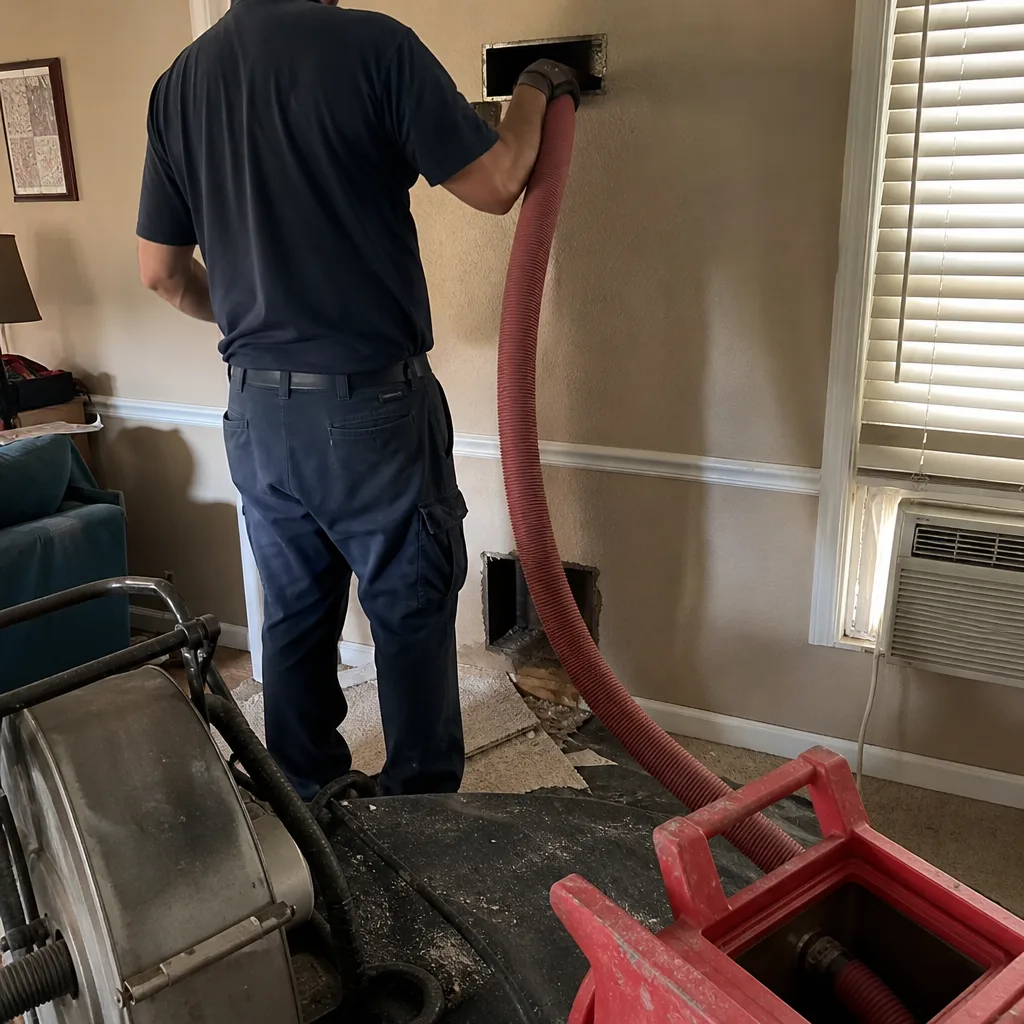 Before
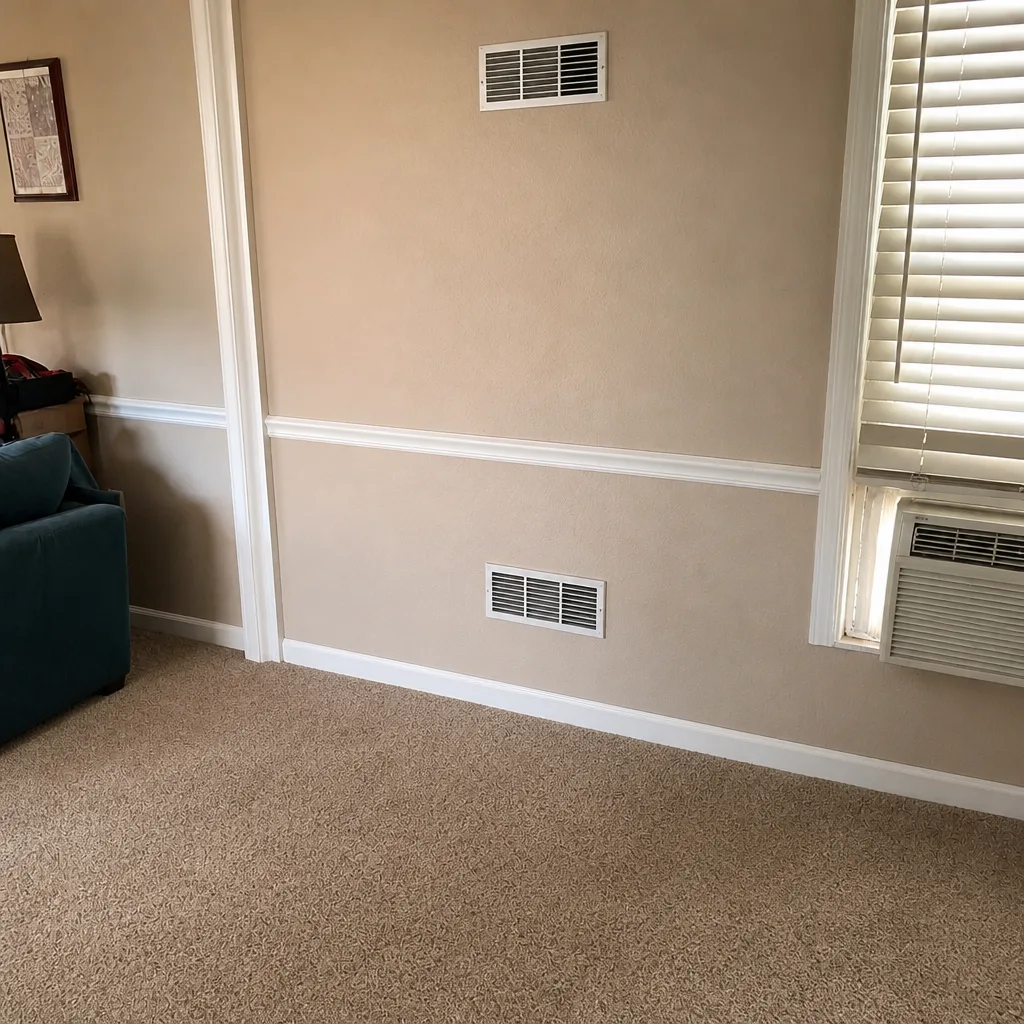 After
When to Call a Professional
Some situations clearly call for a professional duct cleaning rather than another year of waiting. Visible dust plumes from supply vents when the system kicks on, a musty smell that returns days after you change the filter, a renovation that left construction dust through the house, a moisture issue that briefly affected the attic or crawl space, a dryer that takes two cycles to dry a load, or a home you’ve just moved into where the previous owner’s maintenance history is unknown. In each case, the question isn’t just “should I clean the ducts,” it’s “what’s actually in the system and how did it get there.” A technician with real equipment and a written scope can answer both. Hermitage Air Duct Cleaning offers free estimates in Hermitage, with a flat price per system agreed before any work starts. Call (855) 726-7834 to schedule a walkthrough. We answer 24/7. Fast dispatch from 7am to 7pm, Sunday through Friday.
Frequently Asked Questions
Most whole-home duct cleaning jobs in Hermitage fall into a range that depends on the number of supply and return runs, the accessibility of the air handler, and whether coil cleaning or sanitizing is included. The one thing to be certain of is that the price is flat and in writing before work starts, not a low teaser that grows once the crew is inside. Call (855) 726-7834 for an exact quote. Estimates are free.
Because the low quote usually isn’t the price of the job, it’s the price of getting in the door. The economics of running professional negative-pressure equipment, pulling every register, and cleaning the air handler don’t fit into a $49 or $99 headline number, so the difference gets added on site as sanitizing, sealant, or “mold treatment.” A legitimate contractor quotes a flat per-system price up front and lets you decide on extras separately.
Three checks: before-and-after photos of your own ducts (not stock images), a walkthrough of a supply and a return with the technician before they leave, and a short written summary of what was cleaned and what was inspected. Run the system for a minute before the crew leaves; if dust is blowing out of a supply vent on first run, the job isn’t finished. The documentation matters because it’s your only recourse if something looks wrong a week later.
Five: a business license, a general liability insurance certificate, evidence of workers’ compensation coverage, technician training documentation for the equipment they’ll use, and a written scope of work that lists supply and return run counts and whether the coil will be inspected. Verify the license and insurance against Tennessee’s public databases rather than taking a forwarded PDF at face value. Any contractor who won’t provide those documents before the appointment isn’t worth booking.
For most Hermitage homes, every few years is reasonable, and some homes go longer. The frequency question is less important than the trigger: pets, recent renovations, a moisture issue, a smoker in the house, or visible dust plumes from the vents all argue for cleaning sooner. Homes with high-efficiency filtration and a well-sealed system usually need it less often. If you’re unsure, ask for an inspection with photos rather than committing to a cleaning immediately.
It’s worth doing at the same time if you can. The dryer vent is a separate air pathway from the HVAC system, and an uncleaned vent is a fire-safety concern in its own right. A contractor who handles both ductwork and dryer vents can check airflow on the exterior vent while the equipment is already on site, and a weak exterior airflow reading after the cleaning tells you something is still blocking the run. Call (855) 726-7834 to add it to a duct cleaning estimate.
Cleaning removes what’s inside the ducts. Sealing finds and closes the leaks at the joints and connections where air (and dust from walls and attic space) gets pulled in. A system that’s clean but leaking will get dirty again faster, and it wastes energy in the meantime. It’s worth asking any contractor whether they can inspect and seal leaks, not just clean around them, because many duct-only companies can’t.
Your recourse is the written scope, the invoice, and the photos. If the scope said “12 supply runs cleaned and photographed” and the photos only show six, that’s a paper trail. If the scope was verbal and vague, you have almost no leverage. This is why we put the flat price and the scope in writing before work starts, and why we leave the before-and-after photos with the homeowner.
The Bottom Line
Hiring a duct cleaning contractor in Hermitage comes down to paperwork and observation. Verify the license and insurance before anyone enters your home. Confirm the crew uses real negative-pressure equipment with brush agitation, not a shop-vac. Insist on a flat, per-system price in writing, with a scope that lists supply and return run counts, coil inspection, and how new access will be handled. Watch the job while it’s running, check the before-and-after photos, and do the five-minute walkthrough before the crew leaves. The cheap quote isn’t a deal; it’s the first line of an upsell script. The right flat price in writing is the deal.
Hermitage Air Duct Cleaning offers free estimates across Hermitage with a flat price per system agreed before work starts. Rotobrush and Nikro equipment, Abatement Technologies filtration for contamination-sensitive homes, Honeywell and Aprilaire IAQ systems, and dryer vent cleaning as a fire-safety service are all part of what we do. Our technicians have up to 14 years of experience, and every visit ends with before-and-after photos of your own ducts. Call (855) 726-7834 to book a walkthrough. We answer 24/7. Fast dispatch from 7am to 7pm, Sunday through Friday.
Written by the team at Hermitage Air Duct Cleaning.