
Last updated November 24, 2026
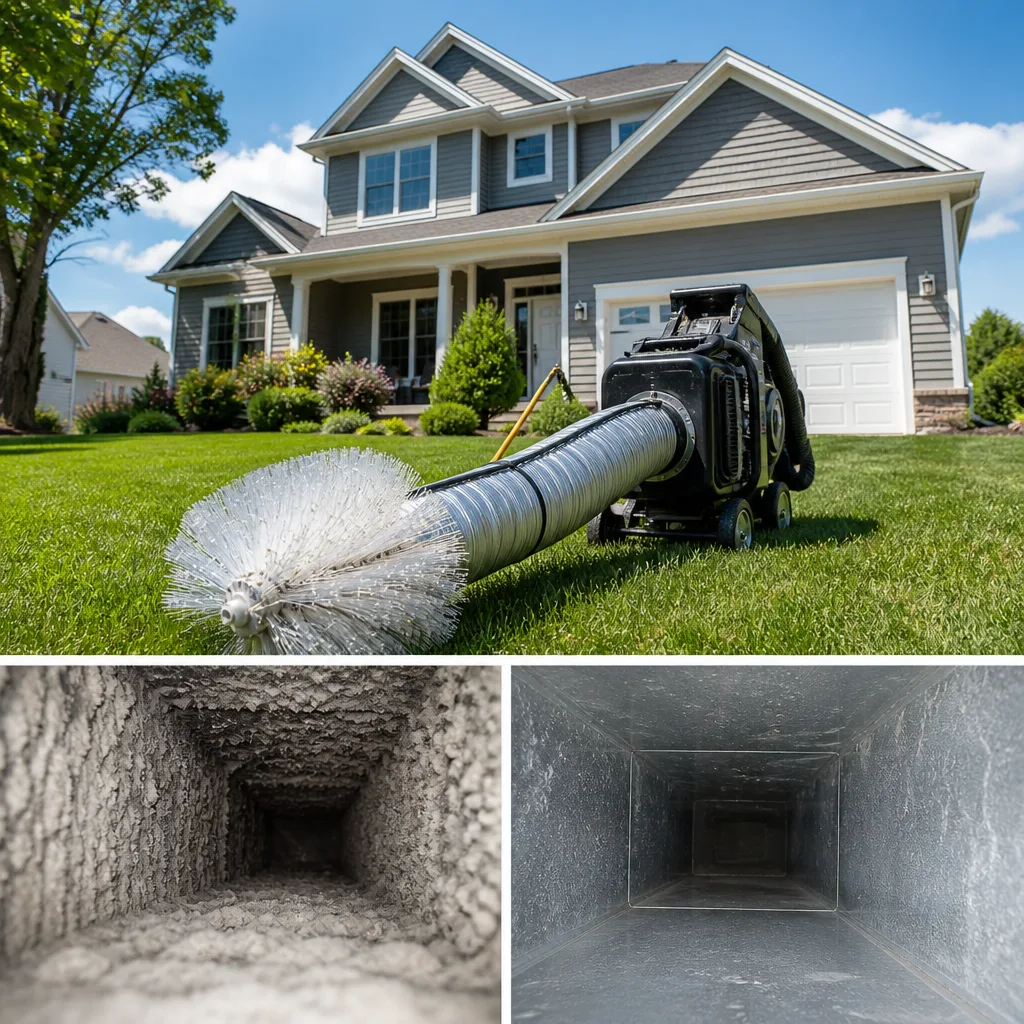 Whole-home duct cleaning
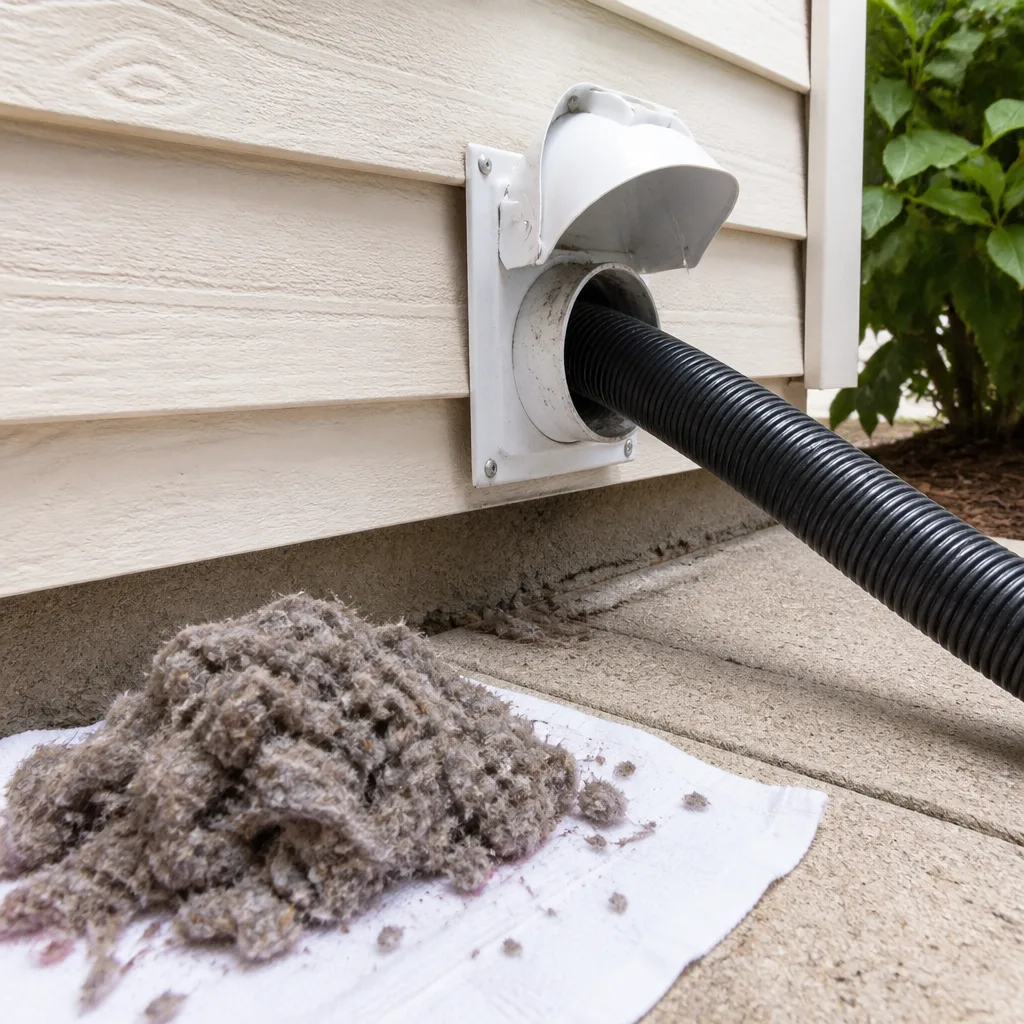 Dryer vent cleaning
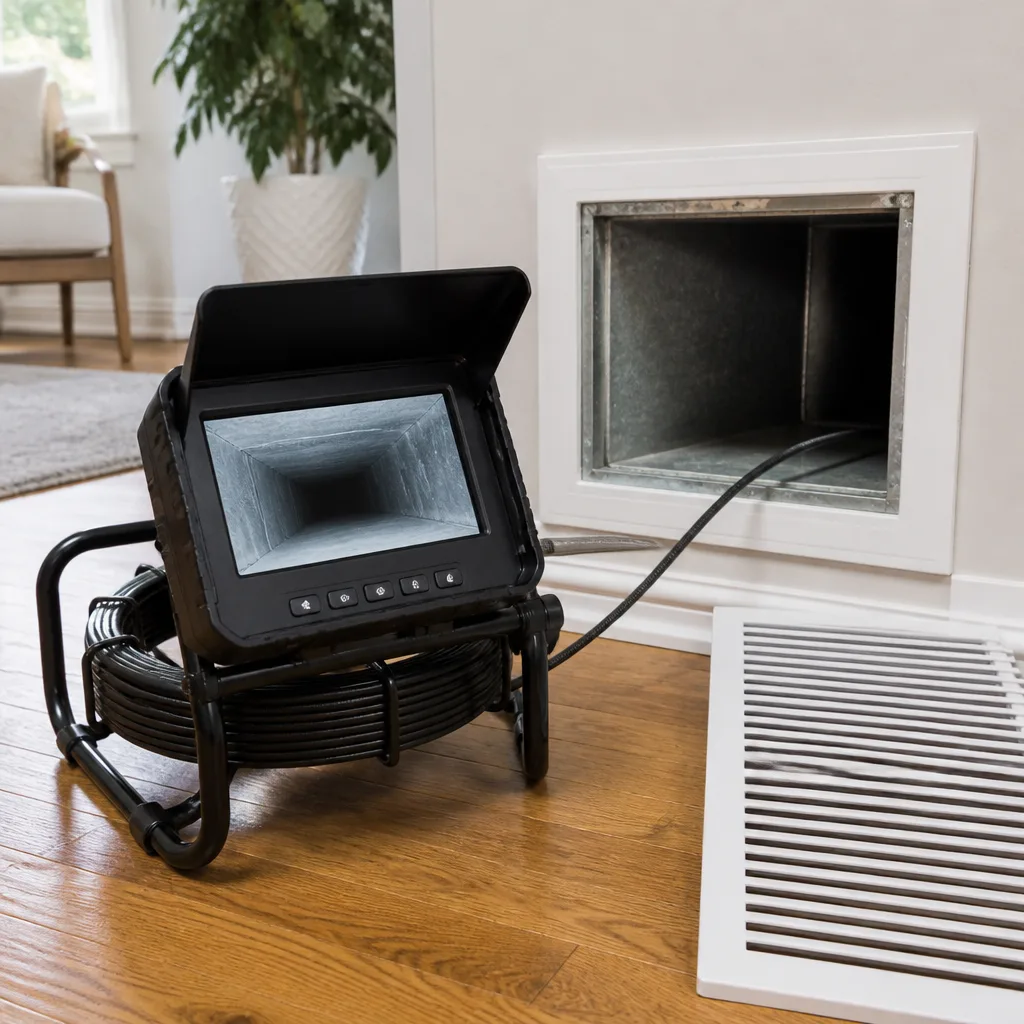 Camera inspection
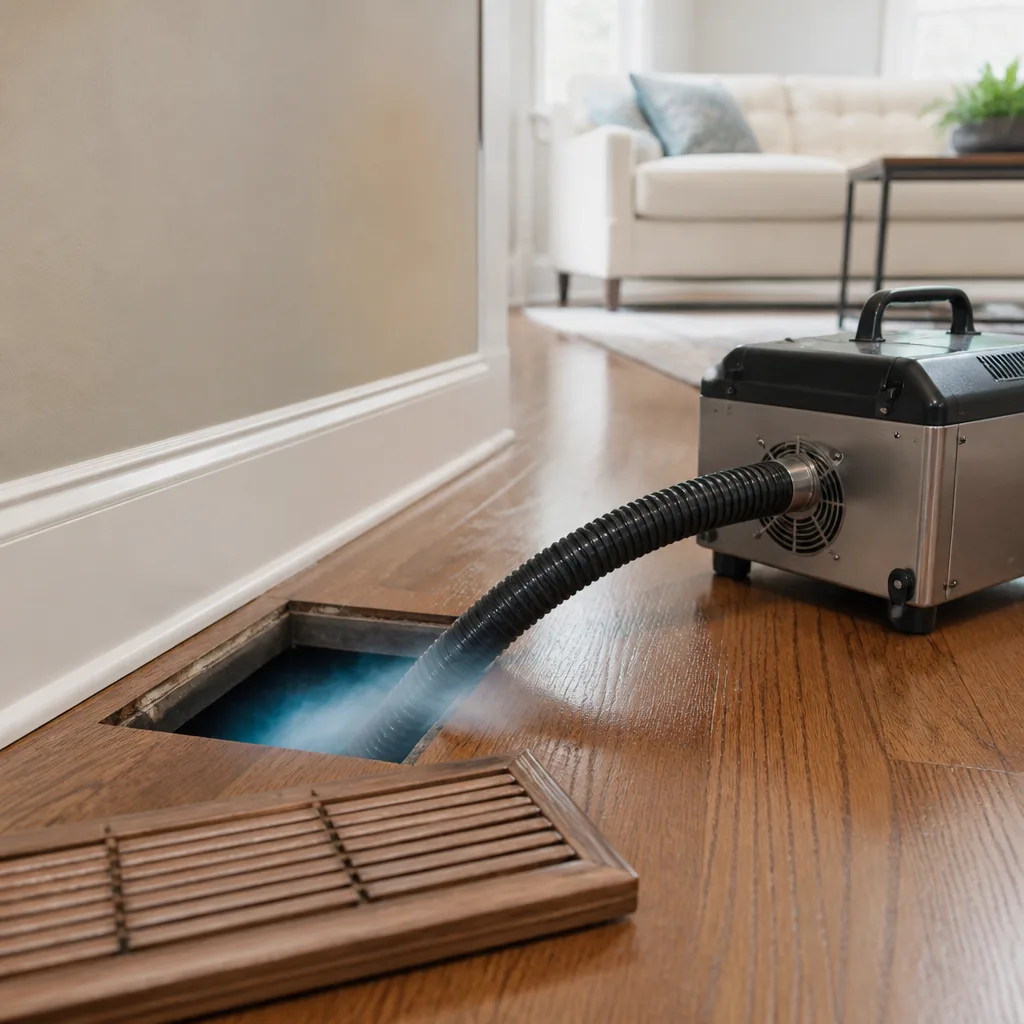 Sanitizing & deodorizing
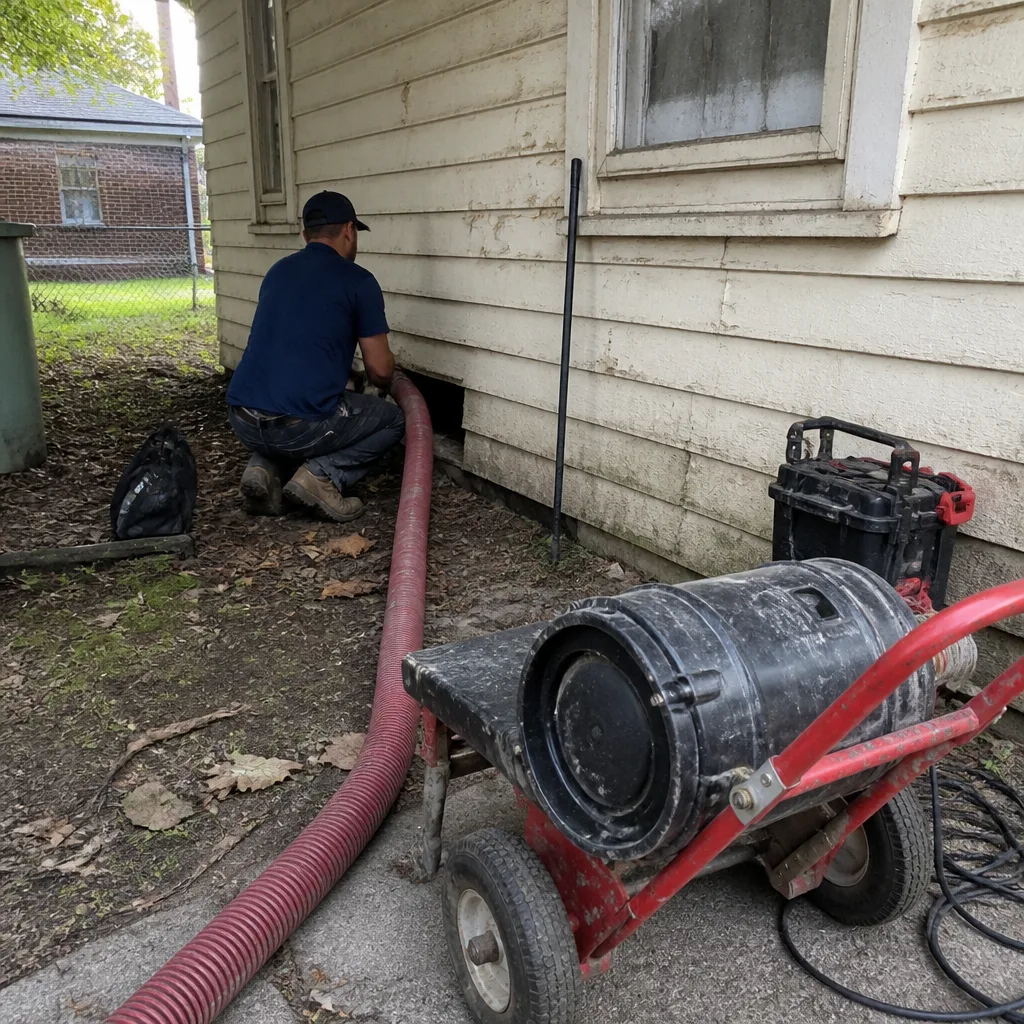
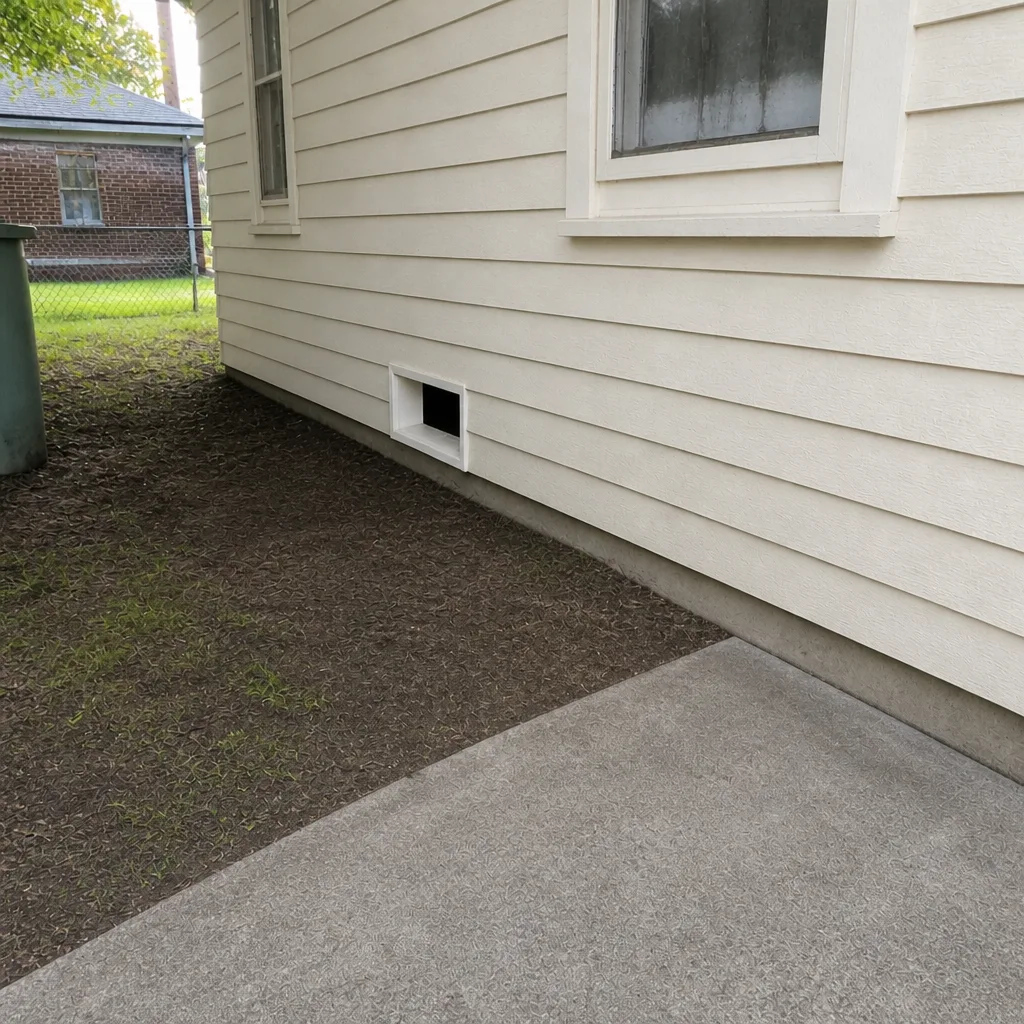
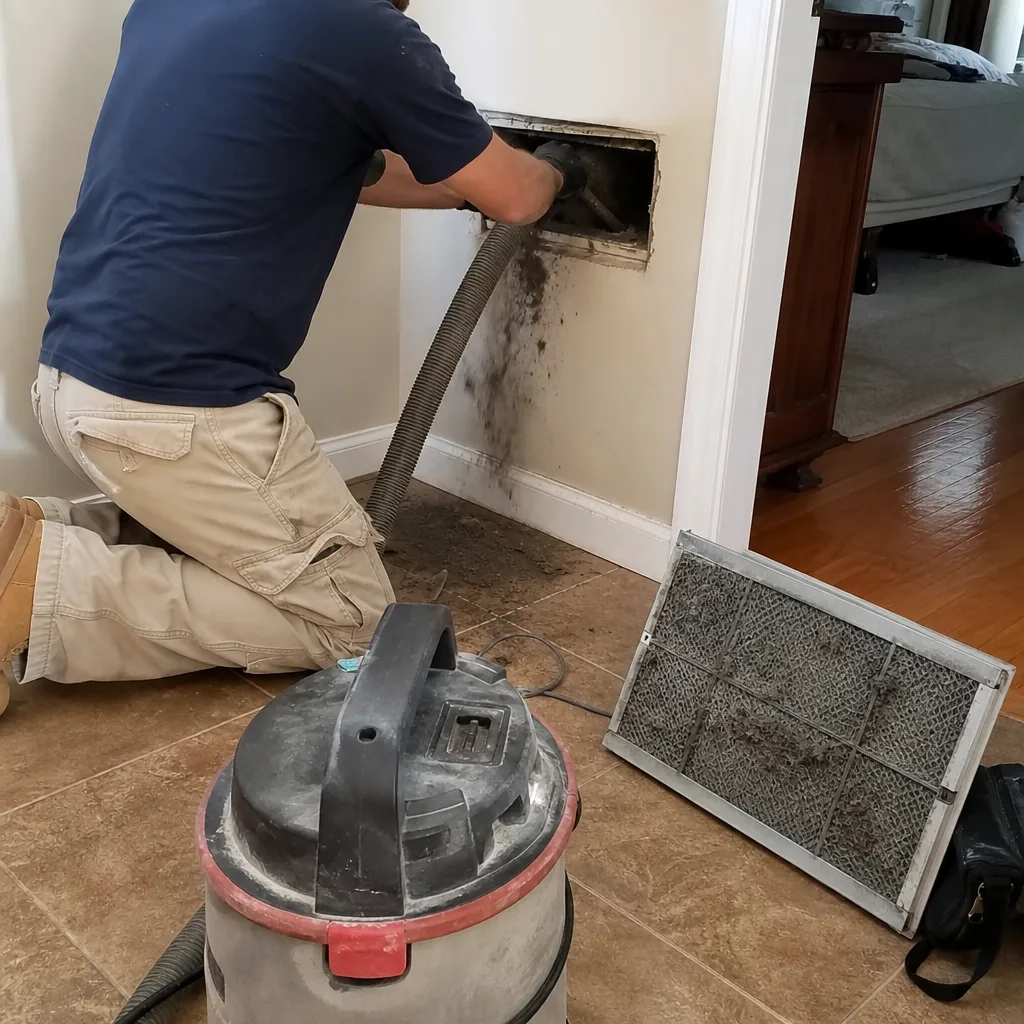
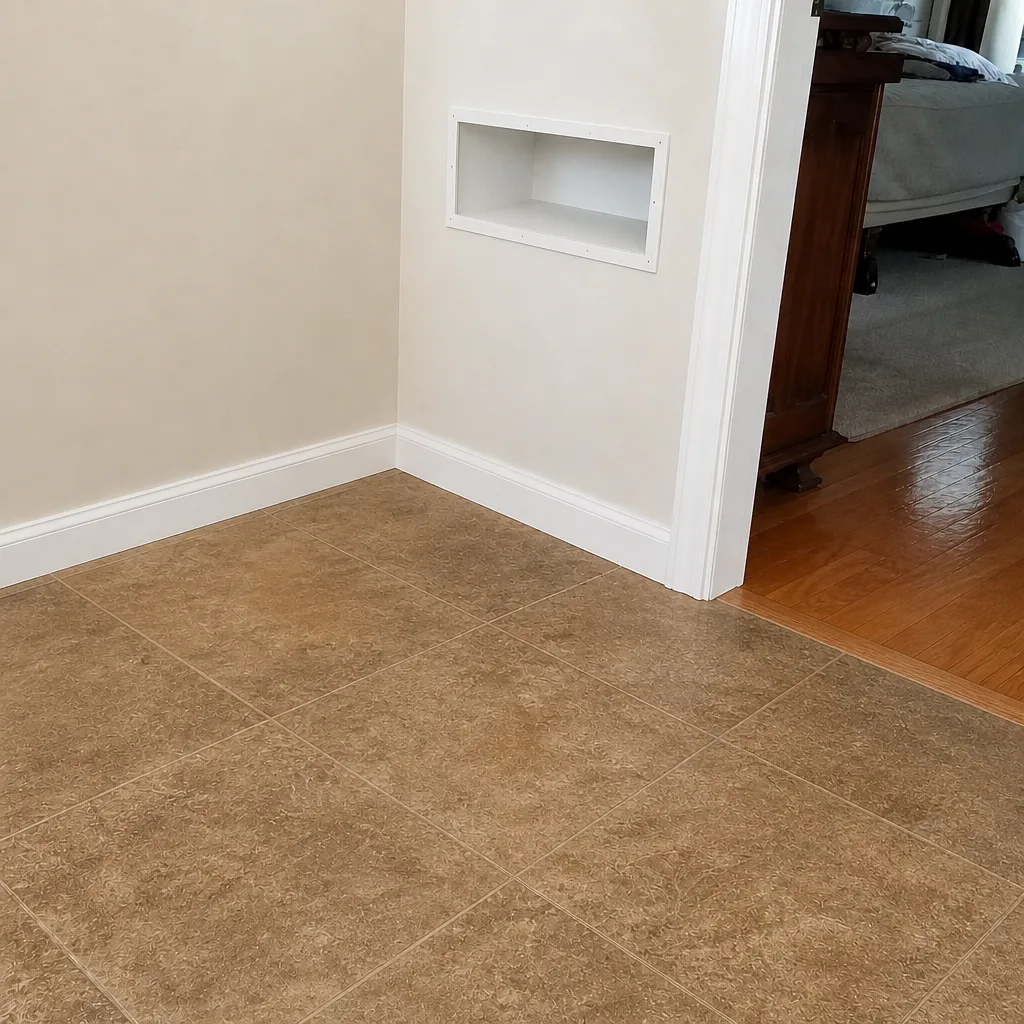
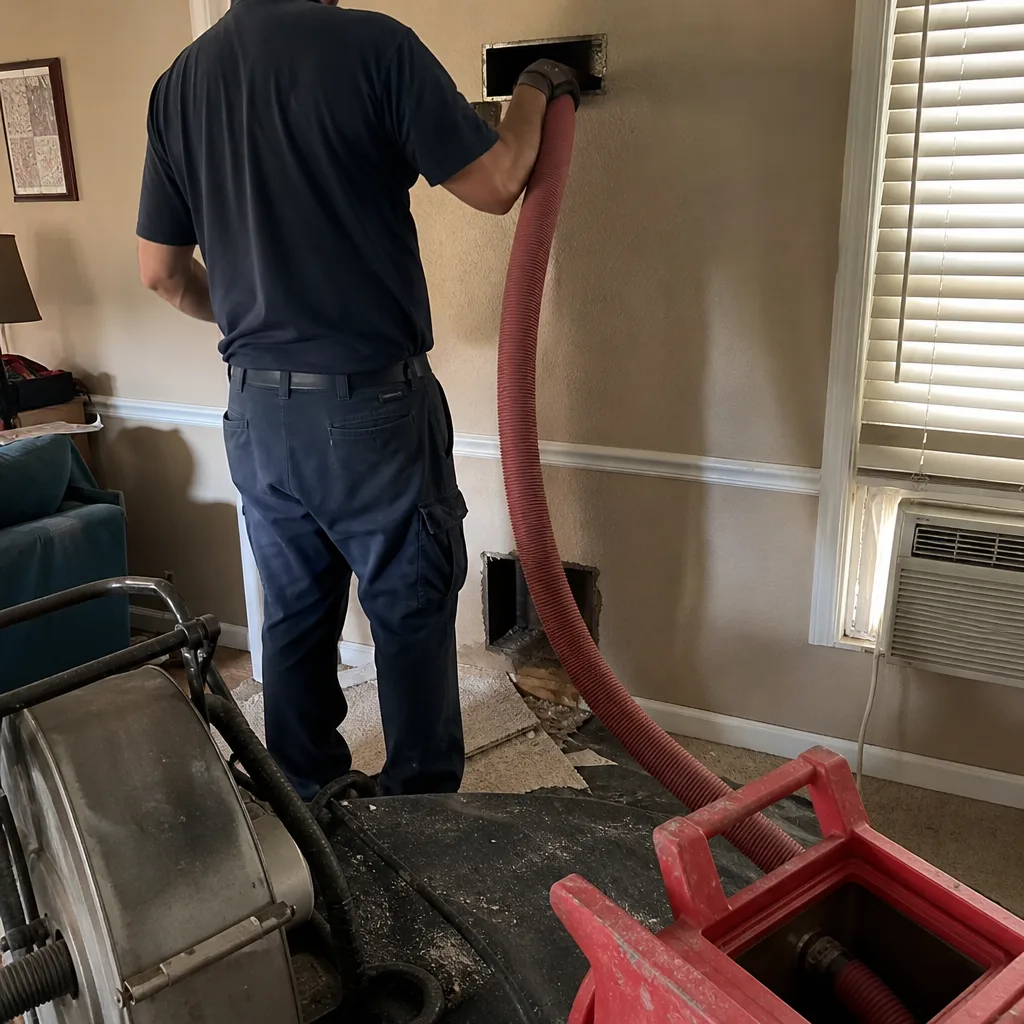
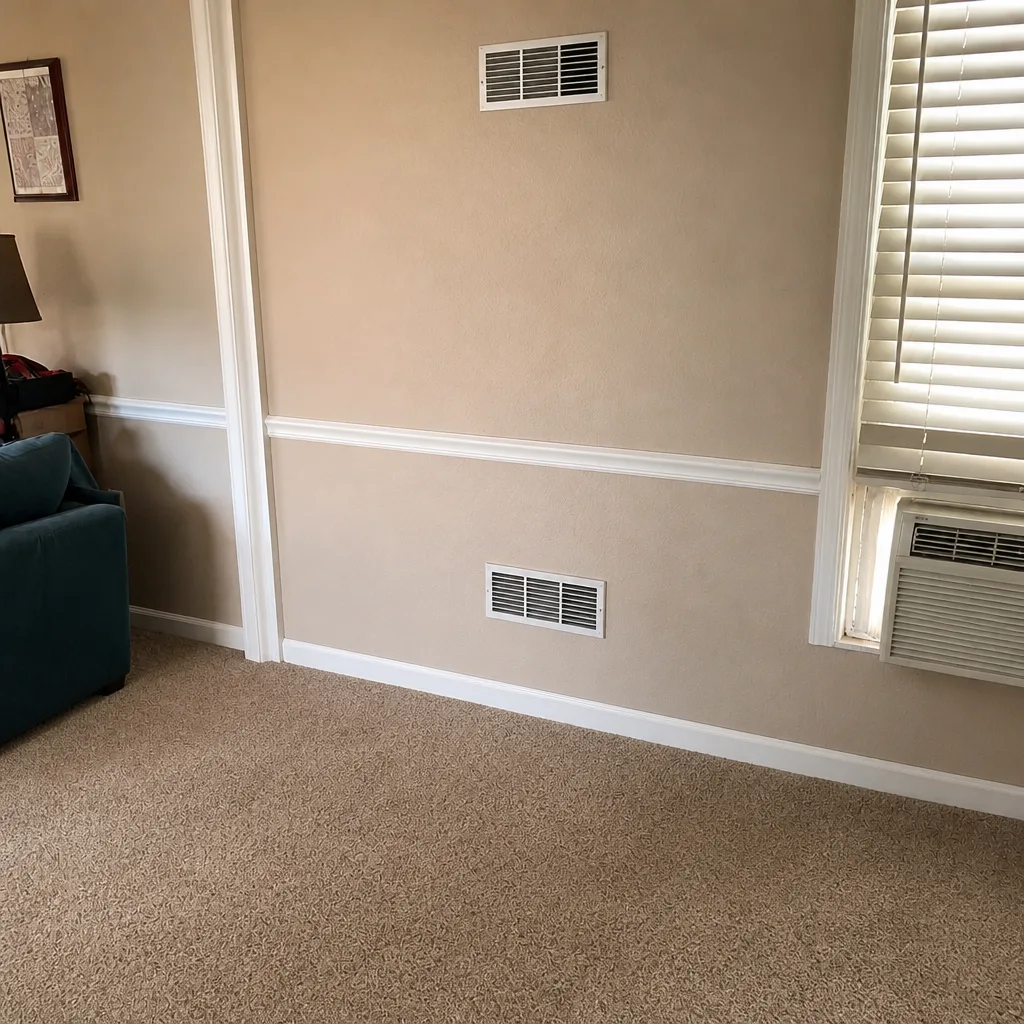
Whole-system duct and dryer vent check with before-and-after photos - you see exactly what came out of your vents
That "$99 whole-house special" is a bait ad - the real number appears once they are in your hallway, or the "clean" is a shop-vac at the register. We photograph the inside of your ducts before and after instead.
DIY vs Professional Air Duct Cleaning: The Hermitage Homeowner’s Decision Guide
Here’s the part most DIY guides leave out: a homeowner who rents a duct cleaning kit and brushes their ducts without achieving negative-pressure containment doesn’t clean the system. They aerosolize settled debris into the living space, where it hangs in the air for the next two days. The question of doing it yourself versus hiring a professional isn’t really about courage or handiness. It’s about equipment physics, and consumer tools don’t come close to the thresholds that safe debris capture requires. This guide walks through what professional cleaning actually does, what you can legitimately handle yourself, and where a well-intentioned DIY attempt turns a manageable dust problem into a remediation bill. Hermitage homeowners deserve a straight answer on all of it.
Styles & brands we work with
- Whole-home duct cleaning
- Dryer vent cleaning
- Camera inspection
- Sanitizing & deodorizing
Quick Answer
Professional air duct cleaning is worth it when your system has visible debris buildup, mold concerns, or recent renovation dust; DIY is limited to register and return grille cleaning plus filter changes. Consumer vacuums and rental kits can’t generate the negative pressure needed to capture dislodged debris, so brushing without containment spreads contamination into your living space rather than removing it. The legitimate middle ground is DIY surface maintenance between professional cleanings, which extends service intervals but doesn’t replace them.
Table of Contents
- The Physics Behind the Answer: Why Negative Pressure Matters
- Why Consumer Vacuums and Rental Kits Fall Short
- What You Can Legitimately Do Yourself
- When DIY Makes Contamination Worse
- The Cost-Benefit Calculation for Hermitage Homeowners
- The Middle Ground: DIY Maintenance Between Professional Cleanings
- How to Choose a Professional Duct Cleaning Service
- Common Mistakes to Avoid
- When to Call a Professional
- Frequently Asked Questions
The Physics Behind the Answer: Why Negative Pressure Matters
Air duct cleaning works on a simple principle: you loosen debris from the duct walls, and simultaneously you pull it out of the system under vacuum so it never has a chance to settle elsewhere. That second half is where containment lives or dies. Negative pressure means the cleaning tool creates a pressure differential that draws air toward the vacuum source rather than pushing it into the room. Professional systems combine high airflow volume with a sealed connection to the main trunk, so when a technician agitates a duct run, the loose material travels toward the collection unit, not out through a nearby supply register into your bedroom.
The numbers that matter are cubic feet per minute (CFM) and static pressure. A truck-mounted or high-capacity portable unit generates airflow in the range that commercial HVAC contractors use for ductwork commissioning and debris removal. HEPA filtration on the exhaust side catches the fine particulate that passes through the collection bag. Together, airflow volume and filtration are what make a cleaning safe rather than just active.
The physics also explain why the location of the vacuum connection matters. A professional connects at the main trunk and works systematically toward that connection, using air pressure as a conveyor. When a technician from Hermitage Air Duct Cleaning runs an air duct cleaning visit, the setup includes that trunk connection before any brush or air whip enters a branch run. A homeowner with a shop vac has no equivalent. There’s no seal, no sustained pressure differential, and no way to catch what the brush liberates. Any debris that comes loose simply finds the path of least resistance, which is often the nearest open register.
Why Consumer Vacuums and Rental Kits Fall Short
Consumer vacuums and rental duct cleaning kits fall short because they can’t generate the negative pressure or airflow needed to capture dislodged debris. The gap isn’t a matter of degrees. It’s a different category of tool entirely. A household vacuum is designed to lift debris through a hose and into a bag; it isn’t designed to hold an entire duct system under vacuum while a brush disturbs decades of settled material. When you attach a spinning brush to a low-CFM vacuum, you get agitation without capture.
Here’s what separates professional equipment from consumer tools:
- Airflow volume. Professional systems move air at rates that keep loose debris suspended and traveling toward the collection point. Consumer vacuums move a fraction of that, so debris settles back into the ducts or escapes into the room.
- Static pressure and sealing. A professional setup creates a seal at the main trunk so the whole system is under controlled negative pressure. A homeowner with a hose at a register creates almost no pressure differential.
- Contact agitation tools. Rotobrush contact-cleaning systems use rotating brush heads sized to the duct interior, so they reach the walls rather than just blowing air through the middle. Consumer kits often rely on a simple brush or air-only nozzle.
- Exhaust filtration. Professional units filter the exhaust air, capturing fine particulate on the way out. That filtration is engineered to hold up under sustained use, not just short bursts.
- Reach and control. Long runs, tight elbows, and multiple trunk branches require tools and technique that a homeowner can’t practically manage from a ladder.
The tools matter enough that the equipment itself is a useful shorthand. Rotobrush and Nikro equipment are industry-recognized systems that agitate and extract debris rather than nudge it around. When a company shows up with that class of tool, the cleaning was designed around containment from the start.
What You Can Legitimately Do Yourself
You can handle register cleaning, return grille cleaning, filter changes, and a visual inspection of your dryer vent connection yourself. Those tasks are genuinely useful, and doing them well makes professional cleanings more effective and less frequent. The key is knowing where the line sits: these tasks keep the surface of the system clean, but they don’t reach into the ductwork where the actual buildup lives.
Here’s a numbered walkthrough for each task, done correctly:
- Supply register cleaning. Turn off the HVAC system first. Remove the register cover, wash it in a utility sink with mild soap, and dry it completely before reinstalling. Wipe the visible duct opening with a damp cloth and let it dry. Don’t spray cleaner or water into the duct itself.
- Return grille cleaning. Return grilles collect more dust than supply registers because they’re drawing room air in. Remove the grille, vacuum both sides with a brush attachment, then wash and dry it. Vacuum the visible filter slot while it’s off.
- Filter maintenance. Check the filter monthly and replace it on the interval the manufacturer recommends. If you have heavy pet hair or live near active construction, check more often. A clogged filter restricts airflow and puts load on the blower motor.
- Dryer vent disconnect inspection. Unplug the dryer and pull it away from the wall. Disconnect the flexible transition duct and inspect the inside with a flashlight. If you see lint accumulation at the connection, clean that section carefully and reconnect it with a proper metal clamp. This is a visual check, not a full vent cleaning.
- Visual duct inspection. Remove a register cover and shine a flashlight into the visible branch. If you see dust on the walls, that’s expected. If you see dark staining, visible mold growth, or pest evidence, stop and call a professional.
That last point is important. If your inspection turns up anything that looks like mold growth, don’t touch it. Disturbing a mold colony without proper containment and filtration spreads spores through the whole system. Those are the cases where HVAC cleaning with source-capture filtration equipment, not a consumer vacuum, is the right tool.
When DIY Makes Contamination Worse
DIY makes contamination worse in three specific ways: aggressive brushing without containment, wet cleaning without proper drying, and disturbing suspected mold without testing first. Each of these turns a manageable dust situation into something that requires professional remediation, and each is common enough to be worth naming plainly.
Aggressive brushing without containment. The instinct when you see dust in a duct is to scrub it. But every pass of a brush loosens material that has to go somewhere. Without negative pressure pulling it toward a collection point, that material finds its way out through the nearest opening. Within hours, the airborne particle count in your living space rises. Within days, it settles back onto surfaces and into the ducts. The system ends up roughly where it started, only more disturbed.
Wet cleaning without drying protocols. Some homeowner guides suggest wiping duct interiors with a damp cloth or mild solution. That’s a problem in a metal duct system with insulated sections. Moisture introduced into a sealed duct environment has nowhere to evaporate quickly, especially during humid Tennessee summers. Damp duct insulation becomes a growth medium. Professional cleaning keeps the system dry or uses controlled sanitizing products with known drying requirements.
Disturbing suspected mold without testing first. If you’ve noticed dark spots on a register diffuser or smelled something musty, the worst thing you can do is brush the area and see what happens. Mold colonies release spores under disturbance. A professional assessment, with equipment like Abatement Technologies air filtration running on-site, is how that situation gets handled without spreading contamination. Abatement equipment is designed for source capture, which is what you want when there’s a genuine contamination concern.
The Cost-Benefit Calculation for Hermitage Homeowners
Professional duct cleaning typically costs $300 to $700 for a standard residential system in the Hermitage market, depending on system size, number of registers, and whether additional services like sanitizing or duct sealing are needed. The written estimate you receive sets the final price. A failed DIY attempt, by contrast, can lead to HVAC repair, mold remediation, or a second professional cleaning at higher cost because the system is now contaminated in new places.
Here’s how the math usually breaks down for a Hermitage homeowner weighing the decision:
- Professional cleaning (standard): $300-$700. Includes full system cleaning with negative pressure containment, register and grille cleaning, and a visual inspection with findings explained.
- Professional cleaning with sanitizing or repair: $500-$1,200 depending on scope. Duct sealing, sanitizing, or repair work adds to the base cleaning price, quoted per job before work starts.
- DIY rental kit or shop vac setup: $50-$150 for the rental or consumables, plus your time. The catch is that the tools don’t reach the required containment threshold, so the job isn’t equivalent even when the number looks smaller.
- Cleanup after a failed DIY attempt: $500-$1,500 or more. A professional now has to clean the system plus the areas where debris migrated, and if mold was disturbed, remediation costs climb higher.
The comparison looks different once you factor in HVAC system wear. Debris buildup on the evaporator coil and blower wheel reduces system efficiency and can shorten equipment life. A homeowner who skips professional cleaning for years and then tries a DIY brush-out doesn’t save money; they push a real cleaning further down the road and add strain on the system in the meantime. A whole-home Hermitage Air Duct Cleaning visit handles the full air pathway, unit to register, which is the scope the system actually needs.
The Middle Ground: DIY Maintenance Between Professional Cleanings
The legitimate middle ground is DIY surface maintenance every month or two, combined with professional cleanings on a realistic interval. That combination extends service intervals and keeps the system running more efficiently, and it’s what we’d recommend to anyone who wants to stay involved with their home’s air quality without attempting work the equipment can’t support.
Here’s a simple maintenance rhythm to follow between professional visits:
- Monthly: Check the filter. Replace it if it’s visibly loaded or if airflow from registers feels weaker than usual.
- Every other month: Remove and clean supply registers and return grilles. Vacuum the visible duct opening with a brush attachment and dry everything thoroughly before reinstalling.
- Twice a year: Pull the dryer away from the wall and inspect the transition duct connection for lint buildup. This is the point where a full dryer vent cleaning becomes worth scheduling, since lint accumulation inside the vent run itself is a fire-safety concern that surface checks won’t catch.
- Before and after renovations: If drywall work or flooring replacement is happening, change the filter afterward and consider a professional cleaning if you’re seeing construction dust in registers.
- Seasonal check: When the HVAC system switches from heating to cooling, walk through the house and listen for unusual airflow sounds or weak registers. Those can signal duct leaks that sealing would address.
That rhythm handles surface-level dust. The ducts themselves need professional attention on a schedule tied to your household: pets, allergies, recent renovations, and whether the system has ever been cleaned all shift the interval. In our experience, homes with pets or allergy-sensitive occupants benefit from professional cleaning more often than homes without those factors.
How to Choose a Professional Duct Cleaning Service
Choosing a professional duct cleaning service comes down to four things: the equipment they bring, whether they work the full system or just the vents, whether they show you what they found, and whether they quote a whole-system price before starting. A company that shows up with a shop vac and a coupon isn’t offering the same service as one that arrives with truck-level equipment and a containment setup.
Ask these questions before booking:
- What equipment do you use? Rotobrush and Nikro systems are a good sign. So is source-capture filtration like Abatement Technologies equipment, especially if there’s a mold or renovation dust concern.
- Do you clean the full system, including the main trunk and the HVAC unit? Cleaning vents without cleaning the trunk and air handler leaves the majority of the debris in place.
- Will I see before-and-after photos? Every legitimate company should be willing to show you the condition of your ducts before work starts and after it’s done.
- Is the price per system or per vent? Per-system pricing, agreed in writing before work starts, is the honest model. Per-vent pricing can balloon quickly and creates an incentive to count vents in creative ways.
- Can you repair and seal duct leaks, or only clean? Repair and sealing address the leaks that let contaminants back in, so a company that offers both is closing the loop.
Hermitage Air Duct Cleaning offers five service categories: cleaning, sanitizing, duct repair and sealing, HVAC cleaning, and dryer vent cleaning. The combination matters because cleaning without repair leaves leaks unaddressed, and cleaning without sealing lets new contaminants enter through gaps the cleaning just cleared. We install and service Honeywell and Aprilaire whole-home air quality products as well, so a visit can move past cleaning into filtration or humidity control when that’s what the home actually needs.
Common Mistakes to Avoid
- Brushing ducts without negative pressure containment. This is the single biggest DIY error. Without a vacuum pulling debris toward a collection point, every brush stroke redistributes contaminants into your living space. The visible dust goes away; the airborne and settled dust gets worse.
- Using a shop vac on duct registers. A shop vac creates a small local suction that pulls surface dust from the register area, then exhausts fine particulate into the room. It’s not a duct cleaning tool, and the exhaust is often less filtered than a household HEPA vacuum.
- Wet-cleaning insulated or flex duct without a drying plan. Moisture trapped in insulated duct sections in a humid Hermitage summer is a growth problem waiting to happen. Keep the cleaning dry or hire a professional who knows how to dry properly.
- Disturbing suspected mold without testing. If a register or visible duct section shows dark staining or a musty smell accompanies the dust, don’t brush it. Get an assessment first, because disturbance spreads spores through the whole system.
- Believing a very low quoted price. A quote far below market usually means a per-vent model that grows once the technician is on site, or a quick surface pass that doesn’t reach the trunk. Ask what’s included and whether it’s a per-system price.
- Skipping the HVAC unit itself. Cleaning the ducts but not the air handler and evaporator coil leaves a major debris source in place. The blower wheel and coil are where airflow and efficiency live.
- Ignoring the dryer vent. Homeowners often focus on the supply ducts and forget that the dryer vent is a separate fire-safety concern. Lint accumulation in a dryer vent is a real hazard, and most duct-only companies don’t service it.
When to Call a Professional
Call a professional when you see visible mold growth inside ductwork or on registers, when you notice a persistent musty odor that doesn’t clear with filter changes, when you’ve recently completed a renovation that generated drywall dust, when a household member has allergies or asthma that seem worse indoors, or when the system has never been cleaned and you’ve lived in the home for several years. Also call if you’ve noticed pests in the ducts, if airflow seems weak in parts of the house, or if the dryer vent hasn’t been cleaned in a long time.
The DIY route is reasonable for surface maintenance between professional visits. It’s not reasonable for a system that needs real cleaning, and it never makes sense for suspected mold. Hermitage Air Duct Cleaning offers free estimates in Hermitage. Call (855) 726-7834 and we’ll walk through what your system needs, with an honest scope and a written price before any work starts.
Frequently Asked Questions
Professional air duct cleaning in Hermitage typically runs $300 to $700 for a standard residential system, with the exact price set by a written estimate based on system size, register count, and whether sanitizing, sealing, or repairs are needed. Whole-system pricing protects you from per-vent surprises. Call (855) 726-7834 for an exact quote. Estimates are free.
Some quotes are far cheaper because they’re priced per vent or based on a surface-level pass that doesn’t include the main trunk or the HVAC unit, and the bill often grows once the technician is on site. A per-system price agreed before work starts is the honest model. Call (855) 726-7834 for a whole-system quote with no surprises.
No, a shop vac can’t clean air ducts because it doesn’t generate the negative pressure or airflow needed to capture dislodged debris, so brushing with a shop vac attached tends to push dust into the room rather than pull it out. Register and grille cleaning between professional visits is a reasonable DIY task. Call (855) 726-7834 if you want an assessment.
Most homes benefit from professional cleaning every three to five years, with more frequent cleaning if you have pets, allergy-sensitive occupants, recent renovations, or a system that has never been cleaned. Surface maintenance between visits extends the interval. Call (855) 726-7834 to get a recommendation based on your home’s actual condition.
You know the work was done when the company shows before-and-after photos of your own ducts, explains what they found, and gives you a written scope and price up front. Ask about equipment too, since Rotobrush and Nikro systems and source-capture filtration are the signs of a real cleaning setup. Call (855) 726-7834 to schedule a free estimate and see the process described in detail.
DIY duct cleaning is worth it only for surface tasks like register cleaning, return grille cleaning, filter changes, and visual dryer vent inspection, not for cleaning the ducts themselves. Hermitage’s humid summers make wet cleaning especially risky, since trapped moisture in insulated ducts becomes a growth problem. Call (855) 726-7834 for the work that requires real equipment.
The Bottom Line
The DIY versus professional question comes down to equipment, not effort. Consumer vacuums and rental kits can’t generate the negative pressure needed to capture dislodged debris, so a DIY brush-out tends to spread contamination into the living space rather than remove it. What you can do yourself is surface maintenance: registers, return grilles, filters, and a visual dryer vent check. What needs a professional is full-system cleaning with proper containment, and any situation involving suspected mold, renovation dust, or a system that’s never been cleaned. The middle ground is maintaining the surface between professional visits on a realistic interval, which extends the time between cleanings without risking your indoor air quality.
Hermitage Air Duct Cleaning provides dryer vent cleaning alongside duct work, plus duct repair and sealing, HVAC cleaning, and air quality assessment, all with the same standard: a written price per system before any work starts, before-and-after photos, and a scope that covers the full air pathway rather than just the vents. Our technicians have up to 14 years of experience, and the equipment we bring reflects that: Rotobrush and Nikro systems, Abatement Technologies filtration, and Honeywell and Aprilaire IAQ products when a home needs more than cleaning.
If your system needs attention, call (855) 726-7834 for a free estimate. We answer 24/7. Fast dispatch from 7am to 7pm, Sunday through Friday. We’ll assess what your ducts actually need, explain what we find, and give you a clear scope and price before we start. Clean air starts with knowing what’s in the system, and a free estimate is the simplest way to find out.
Written by the team at Hermitage Air Duct Cleaning.
See the difference
 Before
 After
 Before
 After
 Before
 After