
Last updated November 24, 2026
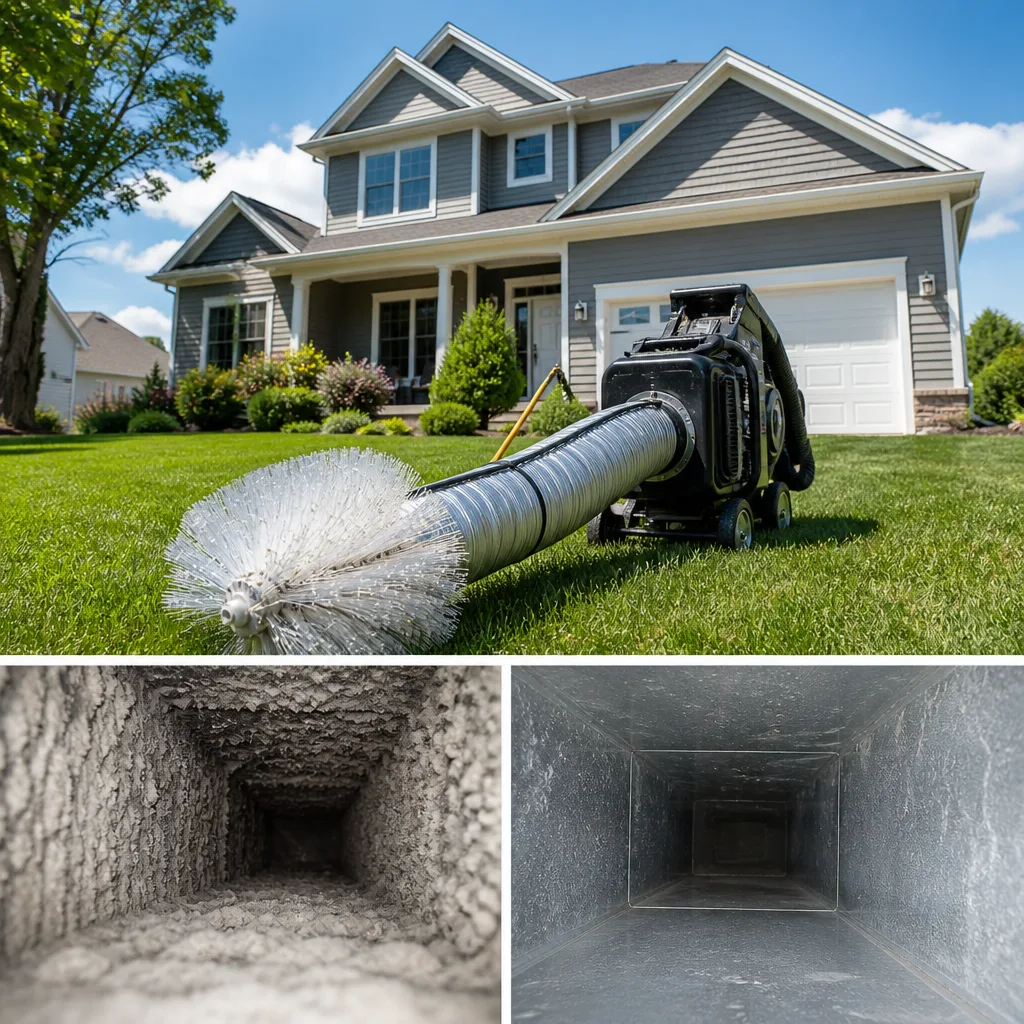 Whole-home duct cleaning
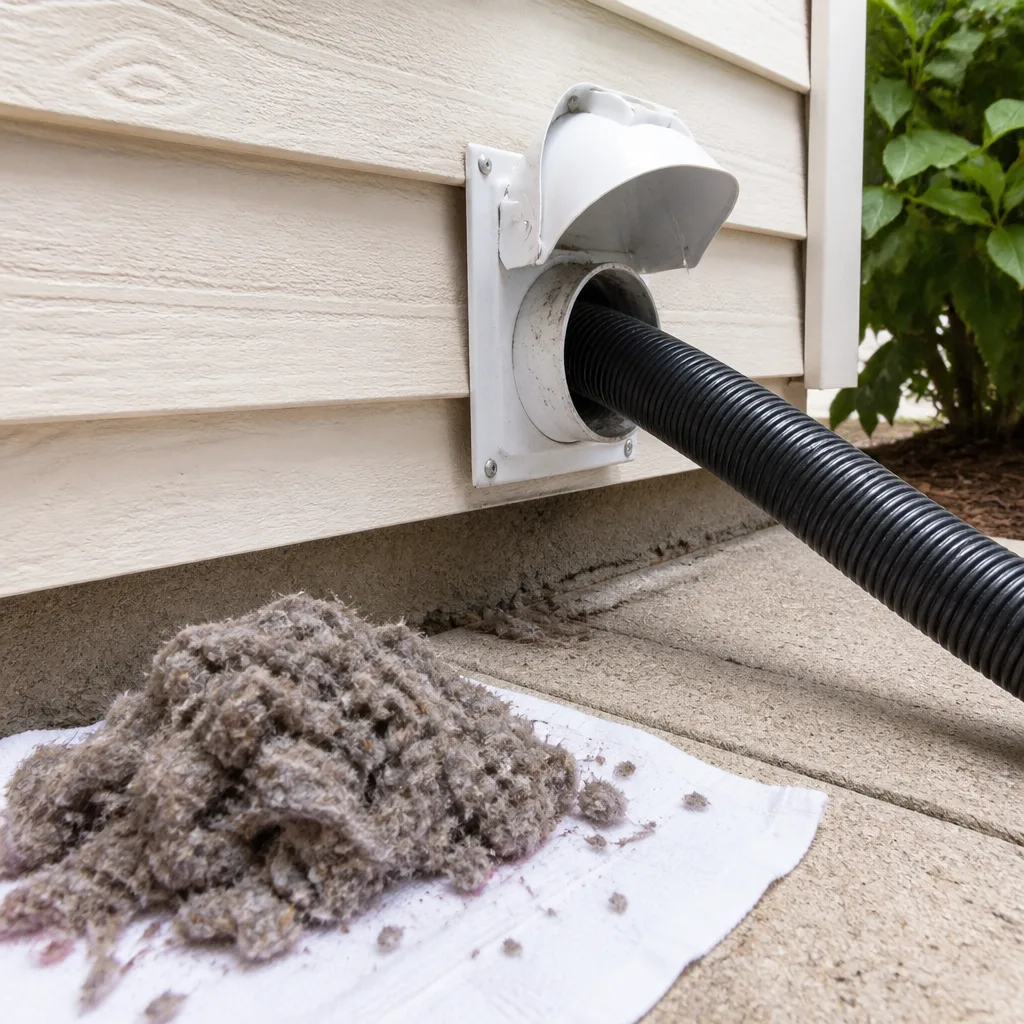 Dryer vent cleaning
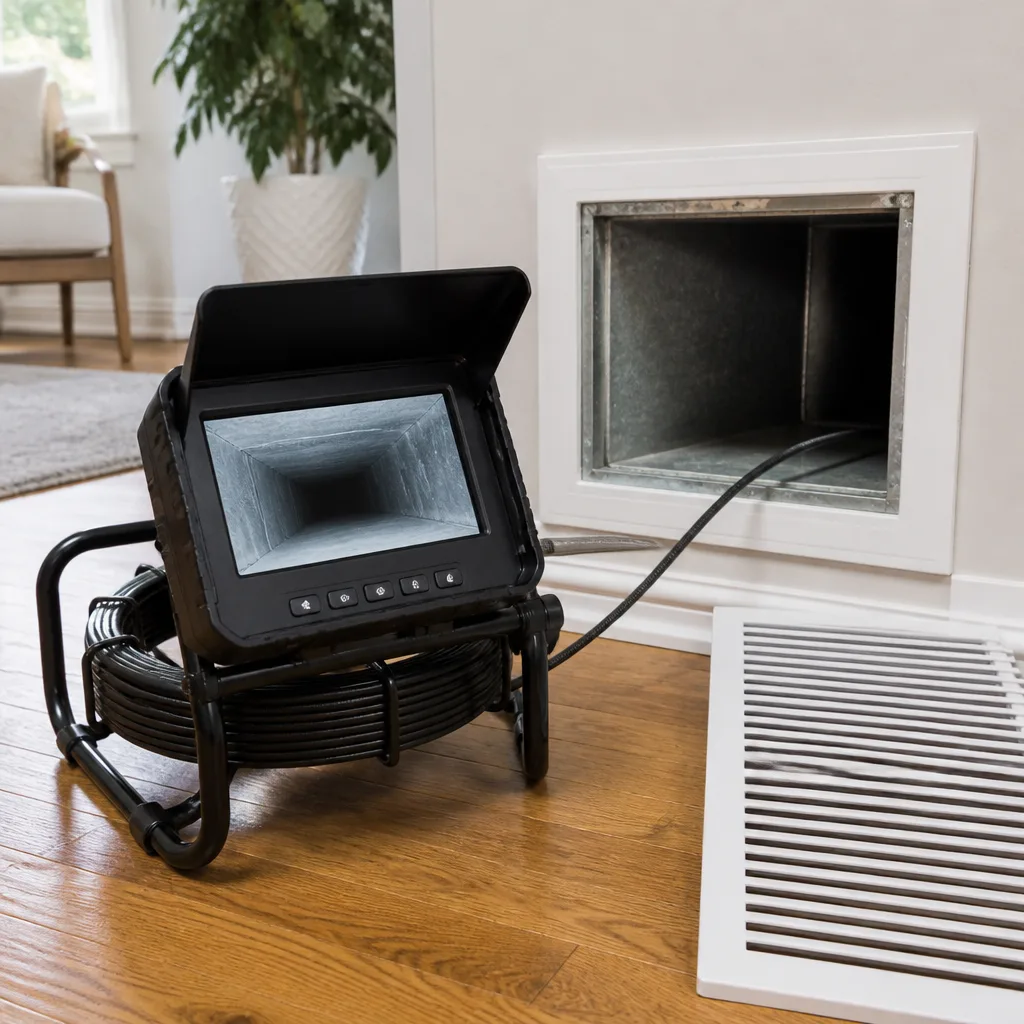 Camera inspection
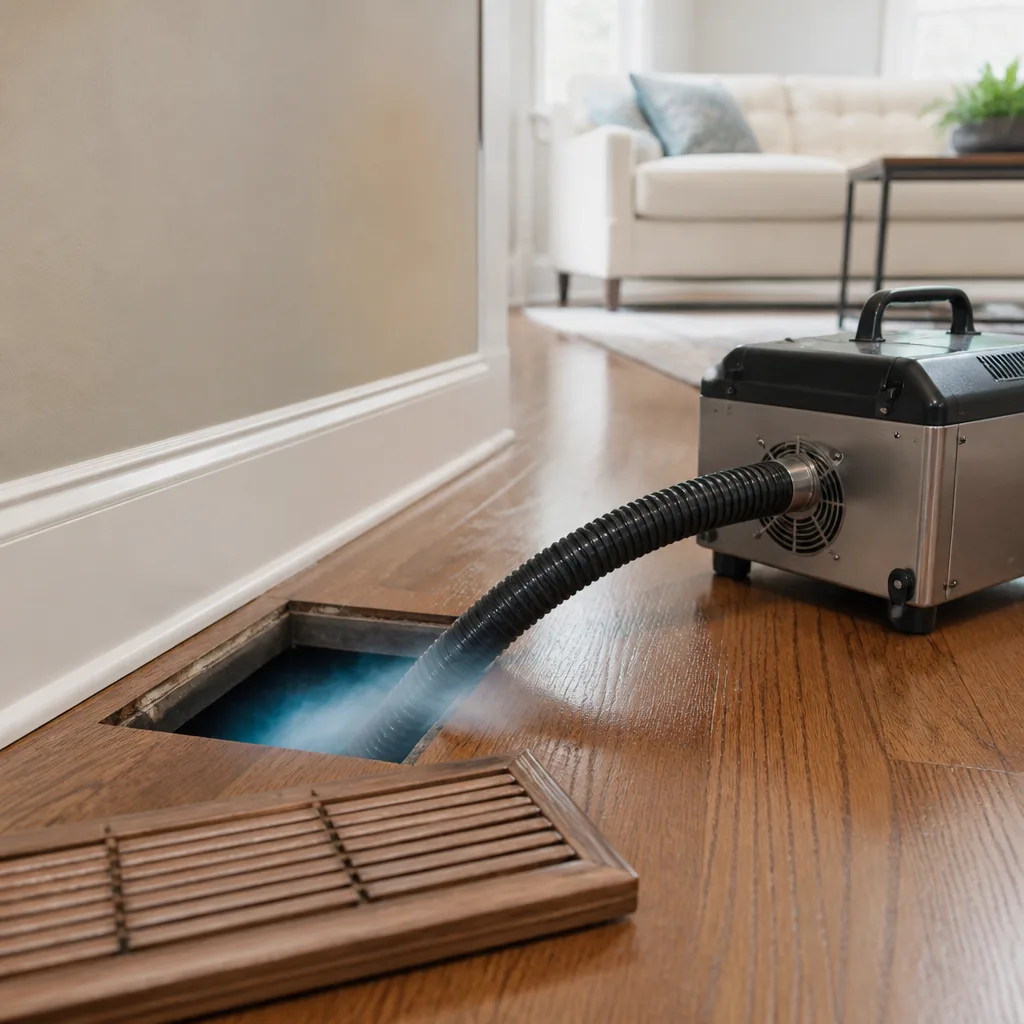 Sanitizing & deodorizing
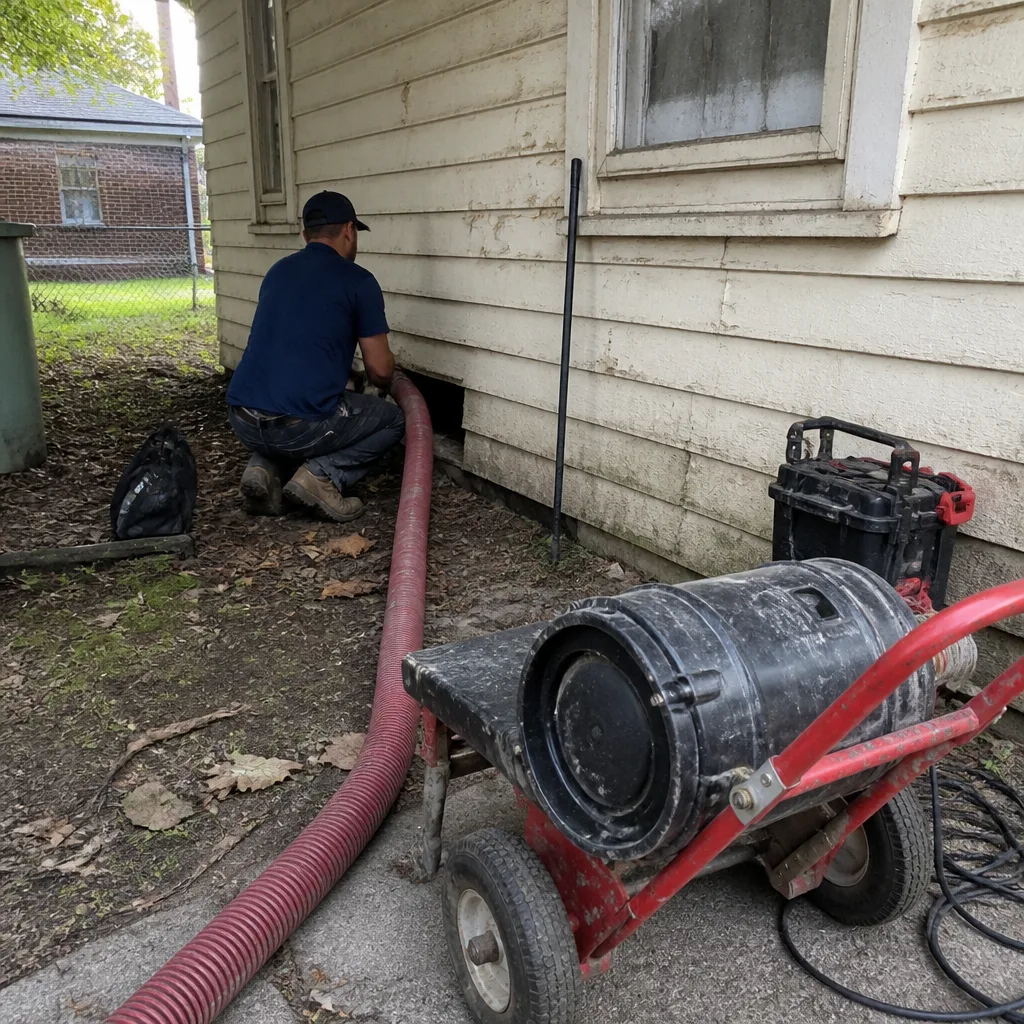
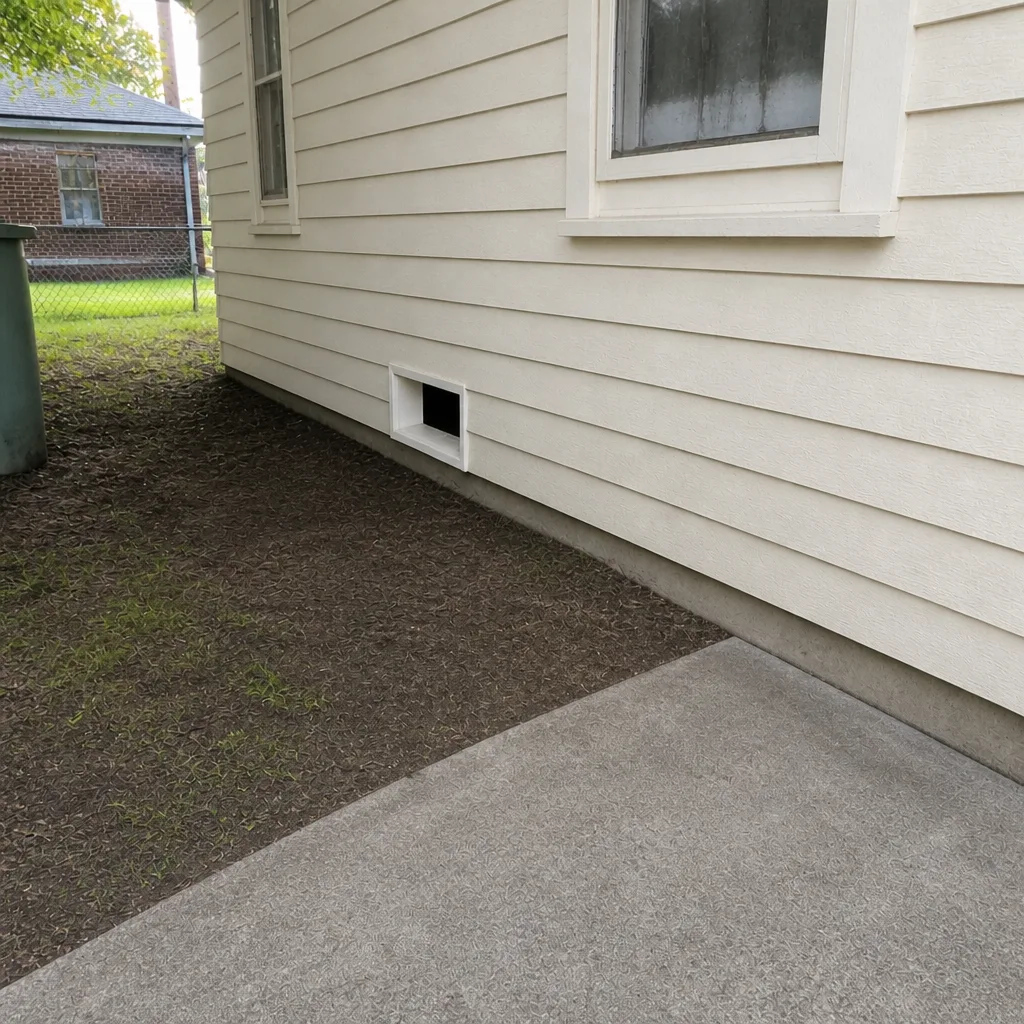
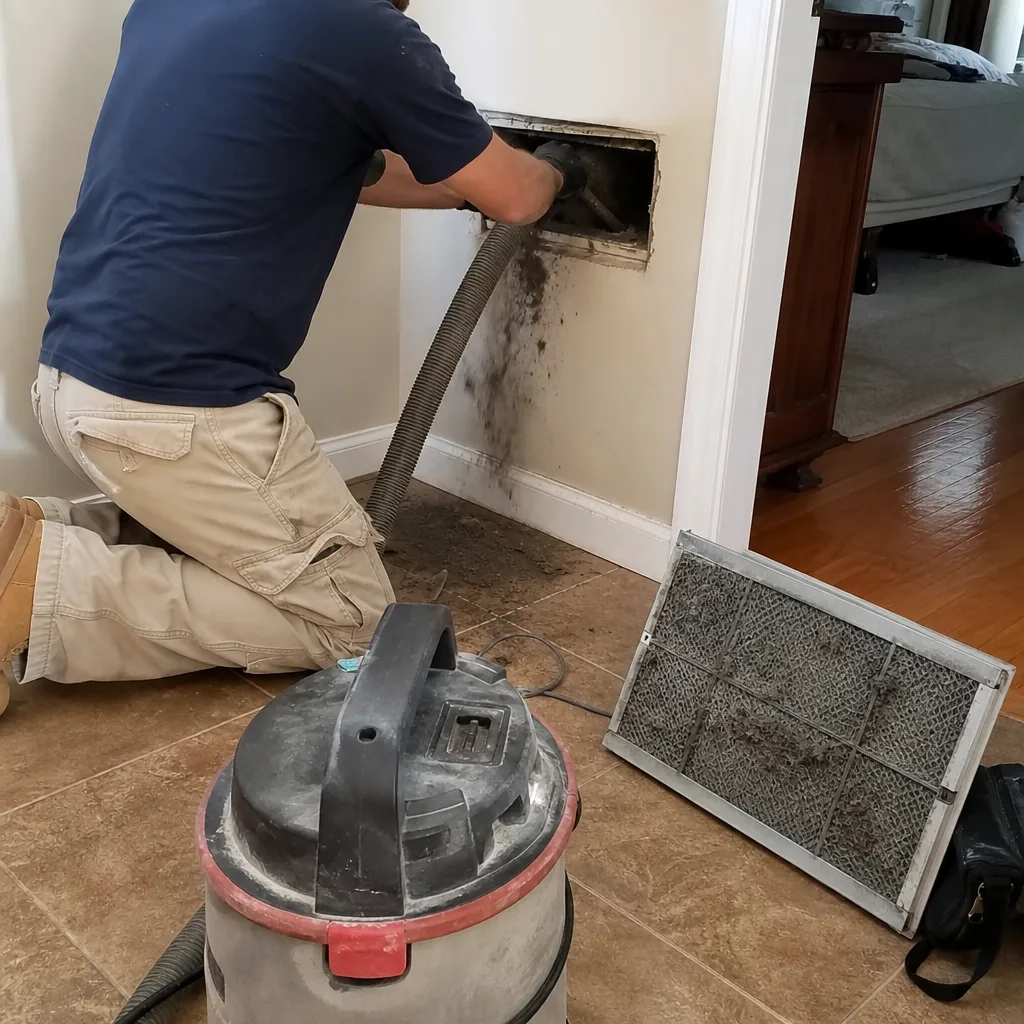
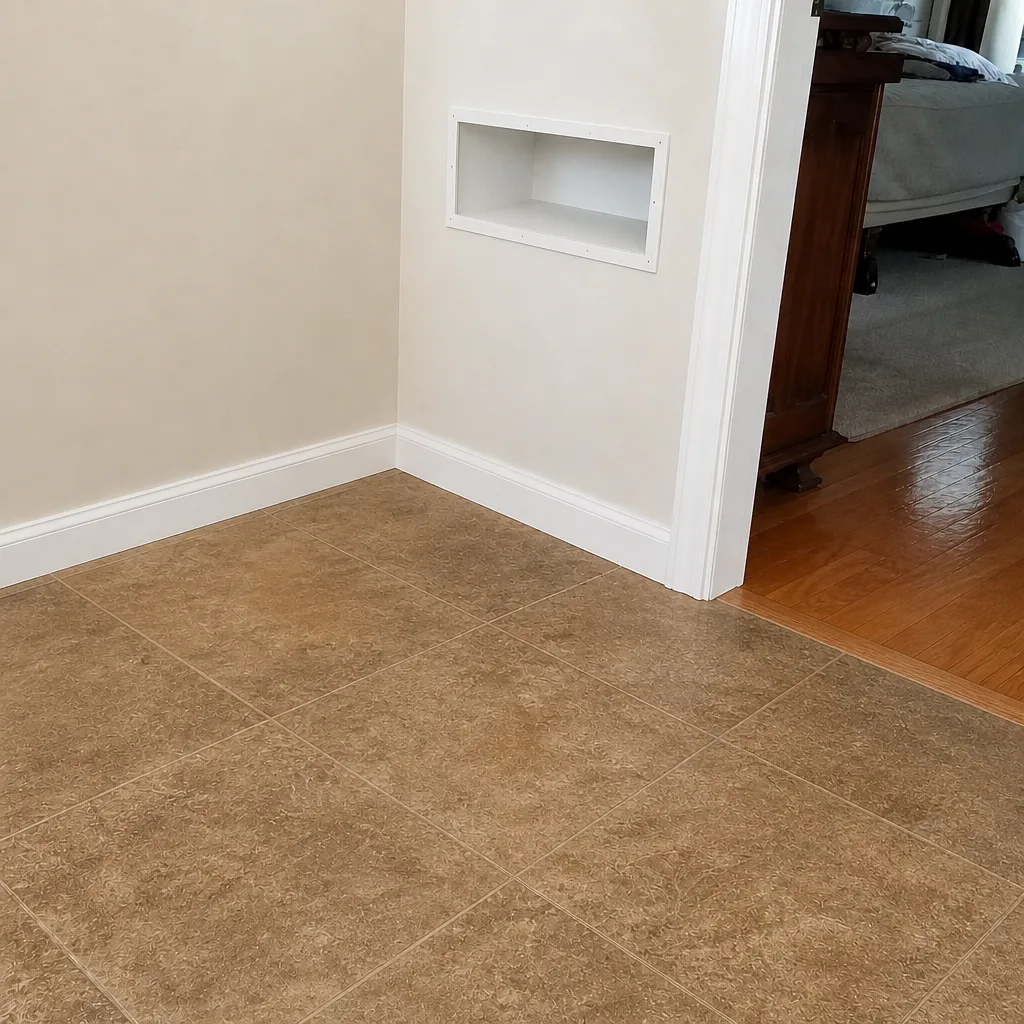
Whole-system duct and dryer vent check with before-and-after photos - you see exactly what came out of your vents
That "$99 whole-house special" is a bait ad - the real number appears once they are in your hallway, or the "clean" is a shop-vac at the register. We photograph the inside of your ducts before and after instead.
Air Duct Cleaning Maintenance Schedule: What to Do and When
Most advice on duct cleaning converges on one number: every three to five years. That number is fine as a national average and close to useless as a household instruction. What actually decides how fast a duct system recontaminates is the house itself – how many pets shed into it, whether it has been through a renovation, what grade of filter is protecting it, and what the ducts are made of. A home with two dogs, fiberglass flex duct, and a MERV-8 filter loads up roughly twice as fast as a comparable home with no pets, sheet metal duct, and a MERV-13. Same interval for both means one household is wasting money and the other is circulating debris it shouldn’t. This guide gives you a way to build a schedule around your conditions instead of the calendar. We’ll cover the monthly, six-month, and annual tasks that keep a system clean between professional visits, and where Hermitage Air Duct Cleaning fits into that timeline.
Quick Answer
There is no single correct interval. In Hermitage, most homes need a full professional duct cleaning every three to five years, but that window shrinks to every two years – or sooner after a renovation – for households with multiple pets, older fiberglass ductboard, or no meaningful filtration. Between professional cleanings, the maintenance that matters is done monthly and every six months: filter changes, register checks, and photo documentation of what’s coming out of your vents.
Styles & brands we work with
- Whole-home duct cleaning
- Dryer vent cleaning
- Camera inspection
- Sanitizing & deodorizing
Table of Contents
- The Five Variables That Set Your Cleaning Interval
- Your Recontamination Timeline: A Decision Matrix
- The Maintenance Calendar: Monthly, Six-Month, and Annual Tasks
- The Post-Renovation Window When Cleaning Is Not Optional
- How Filter Upgrades Legitimately Extend Your Interval
- Tracking Duct Condition With Baseline Photos
- What a Professional Cleaning Actually Involves
- Common Mistakes to Avoid
The Five Variables That Set Your Cleaning Interval
Duct contamination is a loading problem. Debris accumulates in the airstream until the system’s capacity to transport it cleanly degrades, and the variables below control how fast that happens. Understanding them lets you stop guessing at a timeline and start reasoning about your own house. These are the five we walk through with homeowners during an air quality assessment, and they’re the same five that determine whether your next cleaning is two years out or five.
- Pet count and coat type. One short-haired cat sheds far less into a return grille than two double-coated dogs. Pet dander and hair bind with dust to form the matted deposits that reduce airflow at registers.
- Renovation and construction history. Drywall dust, sawdust, and insulation fibers enter the return system during any project that opens walls, ceilings, or floors. Construction debris doesn’t clear on its own.
- Filter grade and discipline. A MERV-8 changed on schedule is a different system from a MERV-13 changed on schedule, and both are different from a filter left in until it bows. Filtration is the single biggest lever you control.
- Duct material and sealing. Leaky ducts pull attic air, crawlspace air, and wall-cavity air into the airstream. Sealed sheet metal behaves predictably. Unsealed flex duct with joint gaps pulls in whatever surrounds it.
- Occupant sensitivity and household composition. A home with someone managing asthma or allergies warrants a tighter interval than the same house with no respiratory concerns, regardless of the physical loading.
Our technicians have up to 14 years of experience reading these variables on-site, and the pattern is consistent: houses with pets and unsealed flex duct accumulate visibly faster than the age of the system would suggest. That’s not a sales argument. It’s a maintenance reality you can plan around.
Your Recontamination Timeline: A Decision Matrix
Here’s how to translate those variables into an actual number. Score each of the five factors below, then read the total against the interval table. This is a planning tool, not a diagnostic test – nothing replaces a camera inspection of the actual system – but it gets you into the right range and stops the guessing.
Step 1: Score your household.
- Pets. No pets = 0. One pet = 1. Two or more, or a double-coated breed = 2.
- Renovation. No work in the last three years = 0. Minor project (one room, paint, flooring) = 1. Major project (walls open, drywall, insulation) = 2.
- Filtration. MERV-13 or better, changed on schedule = 0. MERV-8 to MERV-11, changed on schedule = 1. Below MERV-8 or frequently overdue = 2.
- Duct condition. Sealed sheet metal = 0. Flex duct in good condition = 1. Older ductboard, known leaks, or visible joint gaps = 2.
- Sensitivity. No respiratory concerns = 0. Mild allergies = 1. Asthma or a diagnosed respiratory condition in the household = 2.
Step 2: Read your score.
- 0-2 points: Clean every four to five years. Recheck with a camera inspection at the three-year mark.
- 3-5 points: Clean every three years. This is the typical Hermitage household.
- 6-7 points: Clean every two years. Prioritize sealing leaks before the next cycle.
- 8-10 points: Clean every 18 to 24 months, and treat repair and sealing as part of the same job rather than a later one.
The scoring matters less than the direction it points. A home scoring 8 has no business on a five-year plan, and a home scoring 1 shouldn’t be talked into annual cleaning. If you’d rather have the assessment done in person, Hermitage Air Duct Cleaning performs air quality assessments alongside air duct cleaning and will tell you honestly which interval your system supports.
The Maintenance Calendar: Monthly, Six-Month, and Annual Tasks
Professional cleaning is one event in a maintenance cycle, not the whole cycle. What happens in between decides whether that cleaning holds up. The schedule below is what we recommend to homeowners as the baseline, adjusted by the score from the matrix above.
Every month:
- Inspect the filter. Hold it up to a light – if you can’t see through it, change it regardless of the calendar.
- Vacuum or wipe return grilles and supply registers. Dust that sits on the grille is dust about to be drawn through it.
- Walk the house and feel the airflow at each supply register. A register that’s noticeably weaker than the others is telling you something.
Every six months:
- Change the filter on schedule. This is the six-month task that does the most work.
- Remove grilles and look inside the boot and the first section of duct with a flashlight. Note anything you see.
- Take the baseline photos described in the tracking section below, so you have a comparison point.
- Check the condensate drain and the air handler area for moisture or standing water, which is a separate problem from dust but lives in the same system.
Every twelve months:
- Schedule an HVAC inspection with your service company. Coil condition affects duct cleanliness because a dirty evaporator coil drives higher static pressure and distributes moisture and biological growth into the airstream.
- Have your HVAC cleaning done if the system has been running hard or has visible coil fouling. Cleaning the ducts without addressing a fouled coil leaves the source in place.
- Inspect and clean the dryer vent. Lint accumulation in a dryer vent is a fire hazard, and it builds regardless of whether your ducts are clean. This is part of the same air pathway and belongs on the same annual list.
- Book the professional duct cleaning if you’ve hit your interval score.
The pattern matters more than any single task. Monthly checks catch what changed. Six-month checks document it. Annual service addresses the sources.
The Post-Renovation Window When Cleaning Is Not Optional
Renovation dust is not the same as household dust. Drywall dust is predominantly calcium carbonate and gypsum fines – extremely fine particles that stay suspended in air and settle into every horizontal surface of the duct system, including the inside of flex runs and the return plenum. Unlike lint or pet hair, it doesn’t clump and travel; it coats. What’s more, much of it is produced during the sanding and finishing phase, when the HVAC system may still be running and pulling air through the work zone.
The window that matters is the period between demolition and final paint. If the HVAC system ran at any point during active construction – even with the filter in – you have construction debris in the return and likely in the supply trunk. The longer it’s in there, the more it settles into joints and transitions where ordinary airflow won’t move it.
Our guidance is straightforward: schedule Duct Cleaning within four to six weeks of the last sanding, after the bulk of the fine dust has settled but before it has bonded to duct surfaces and circulated through multiple heating and cooling cycles. If your contractor bagged the registers and sealed the returns, you have more slack. If the system ran open, you don’t.
This is where the equipment distinction matters. Surface-level vacuuming doesn’t remove settled drywall fines from the walls of a duct; the airstream pulls loose material and leaves the coating. Rotobrush contact-cleaning systems physically agitate the duct walls while extracting, which is what construction dust requires. Hermitage Air Duct Cleaning uses Rotobrush and Nikro professional equipment for exactly this reason, and Abatement Technologies filtration for the source-capture side when the contamination load is heavy. If the house has had a renovation and the ducts haven’t been touched since, that combination is the standard we’d hold the work to.
How Filter Upgrades Legitimately Extend Your Interval
Filter grade is the variable with the clearest return. A system protected by a properly sized, correctly installed MERV-13 filter captures a meaningfully larger share of the particulate that would otherwise deposit in the ductwork, and that captured material ends up in the filter instead of the trunk line. The interval between professional cleanings extends because the loading rate drops.
Two caveats keep this honest. First, a higher MERV number increases resistance to airflow, and if the system wasn’t designed for it, the blower works harder and the static pressure rises – which is its own efficiency problem. A filter that’s too restrictive for the system can shorten equipment life. Second, a high-MERV filter left in place past loading becomes a bypass problem: air finds the path around the frame, and unfiltered air enters the system anyway. The upgrade only works when the filter is sized for the cabinet and changed on schedule.
For homeowners who want filtration beyond what a 1-inch filter slot allows, whole-home media cabinets and electronic air cleaners are the next step. Hermitage Air Duct Cleaning is authorized to work with Honeywell and Aprilaire IAQ product lines, which means the recommendation isn’t limited to what fits the existing slot. If your system can’t take a media cabinet without modification, you’ll hear that too.
A realistic expectation: moving from a neglected MERV-8 to a disciplined MERV-13 can push a three-year interval toward four. It won’t turn a two-year household into a five-year household. Pets and unsealed ducts still set the floor.
Tracking Duct Condition With Baseline Photos
You can’t manage what you don’t measure, and a phone camera is enough to measure duct condition between professional visits. The idea is simple: capture a visual baseline right after a professional cleaning, then repeat the same shots every six months. The comparison tells you more about your actual interval than any general rule.
How to build the baseline:
- Right after your next professional cleaning, remove three or four supply grilles – pick the ones in the rooms you use most, plus one that seemed weakest.
- With your phone flashlight on, photograph the inside of the boot and the first twelve to eighteen inches of duct. Hold the camera steady and note the angle.
- Do the same at the return grille and at the air handler cabinet if you have safe access to it.
- Save the photos in a named album with the date. Label each by room.
- Repeat every six months from the same position and angle.
What you’re looking for at the comparison: a light dust film is normal. Visible matting, dark streaks, or a fuzzy layer that’s thick enough to cast a shadow means the system is loading faster than your current interval accounts for. That’s the signal to shorten the cycle. If the photos look essentially identical to the baseline after a year, you can legitimately stretch the interval.
If you find biological growth – dark spotting with a musty smell, or visible mold at the register – stop photographing and call. That’s beyond a maintenance question and needs a proper assessment with the right filtration equipment on site, which is a different job than a scheduled cleaning.
What a Professional Cleaning Actually Involves
Knowing what a real cleaning looks like protects you from buying a surface-level service. The work happens in a sequence, and each step has a purpose that a shop-vac approach doesn’t achieve.
- System assessment. Before anything is touched, the technician assesses the system: duct material, visible contamination, moisture, filter condition, and whether leaks are present. A cleaning on top of a sealing problem is half a job.
- Source capture setup. A high-capacity vacuum and HEPA filtration unit connects to the system to create negative pressure. This is what stops the process from redistributing debris into the living space. Abatement Technologies source-capture equipment exists for exactly this, and it’s the standard we’d expect for homes with contamination sensitivity.
- Contact agitation. Rotobrush and Nikro tools physically agitate the duct walls while extraction runs, dislodging the material that has bonded to surfaces. This is where equipment grade separates a real cleaning from a vacuum pass.
- Register and boot cleaning. Grilles, boots, and transitions are cleaned individually. They collect disproportionately because they’re the points where airflow changes direction.
- HVAC component cleaning. The blower, the coil, and the cabinet are addressed as part of the pathway. Cleaning the ducts and leaving a fouled coil leaves the source intact.
- Repair and sealing assessment. Leaks, disconnected joints, and gaps are identified. Sealing closes the loop on energy efficiency and cross-contamination by keeping unfiltered air out of the system in the first place.
- Before-and-after documentation. You should see photographic evidence of what was removed from your own ducts. Ask for it if it isn’t offered.
We clean the system, not just the vents. That’s a full-pathway approach from the HVAC unit to every vent in the home, and it’s what separates a cleaning that holds up from one you need to repeat in two years because the underlying leaks were never addressed.
Common Mistakes to Avoid
- Following the three-to-five-year rule without adjusting for your household. The national average is not your interval. Score your variables and use the result – otherwise you’re either cleaning too often or running a contaminated system for years.
- Cleaning ducts before sealing leaks. If your ducts have joint gaps or disconnected runs, a cleaning is followed by immediate recontamination from whatever the ducts are drawing in. Seal, then clean, or do both in one visit.
- Buying a cleaning that skips the HVAC components. Ducts that are clean but fed by a fouled coil put the contamination right back into the airstream. Ask specifically whether the blower, coil, and cabinet are included.
- Upgrading to a high-MERV filter without checking the system can handle it. An oversized restriction raises static pressure and strains the blower. Size the filter to the cabinet and confirm the system’s design before upgrading.
- Leaving renovation dust for “later.” Drywall fines settle and bond. The four-to-six-week window after sanding is the point of easiest removal. Waiting a year means a heavier job with more contamination spread through the system.
- Ignoring the dryer vent because it isn’t technically part of the HVAC ducts. Lint accumulation in a dryer vent is a fire hazard and reduces dryer efficiency. It’s part of the same air pathway and belongs on the same annual maintenance list. Hermitage Air Duct Cleaning bundles dryer vent cleaning with duct work so both get addressed.
- Skipping photo documentation. Without before-and-after photos and a baseline of your own, you have no way to verify the work was done or to track how fast your system recontaminates. Request the photos and keep them.
See the difference
 Before
 After
 Before
 After
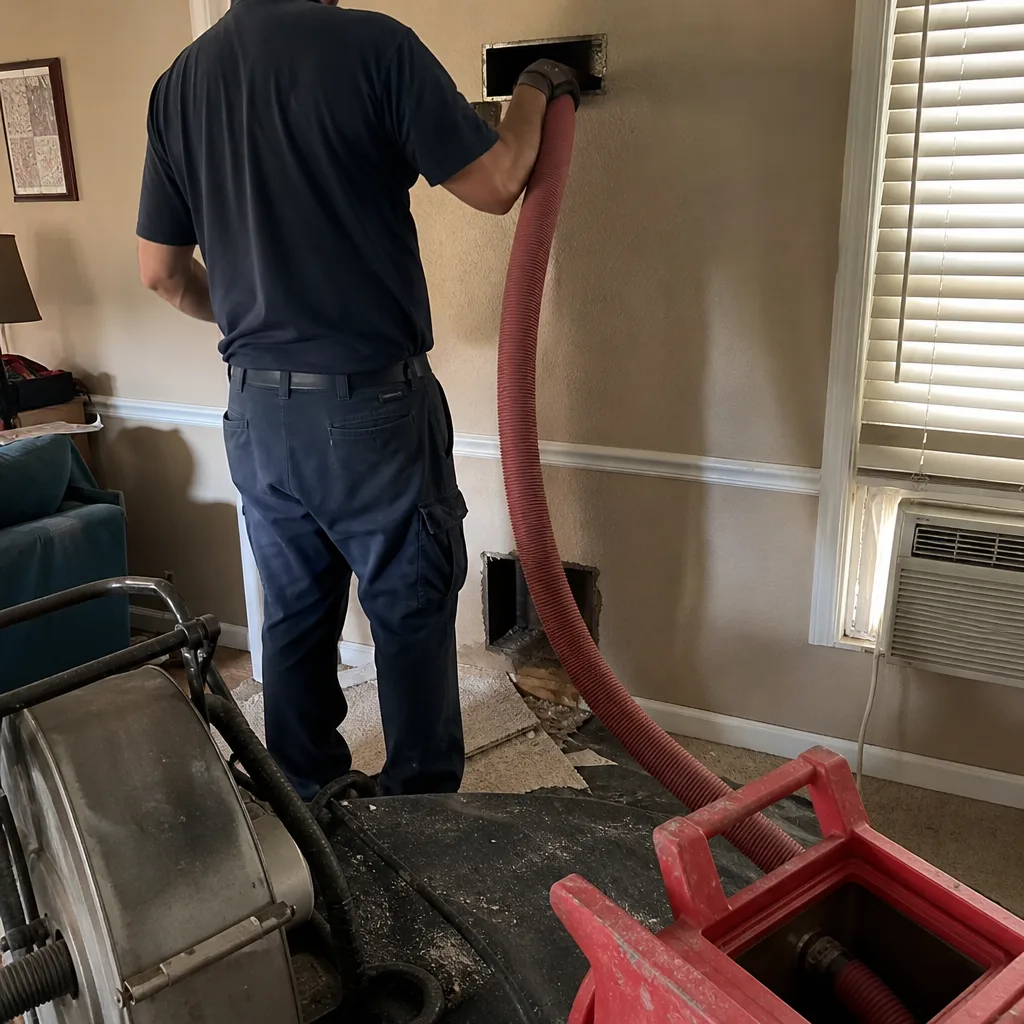 Before
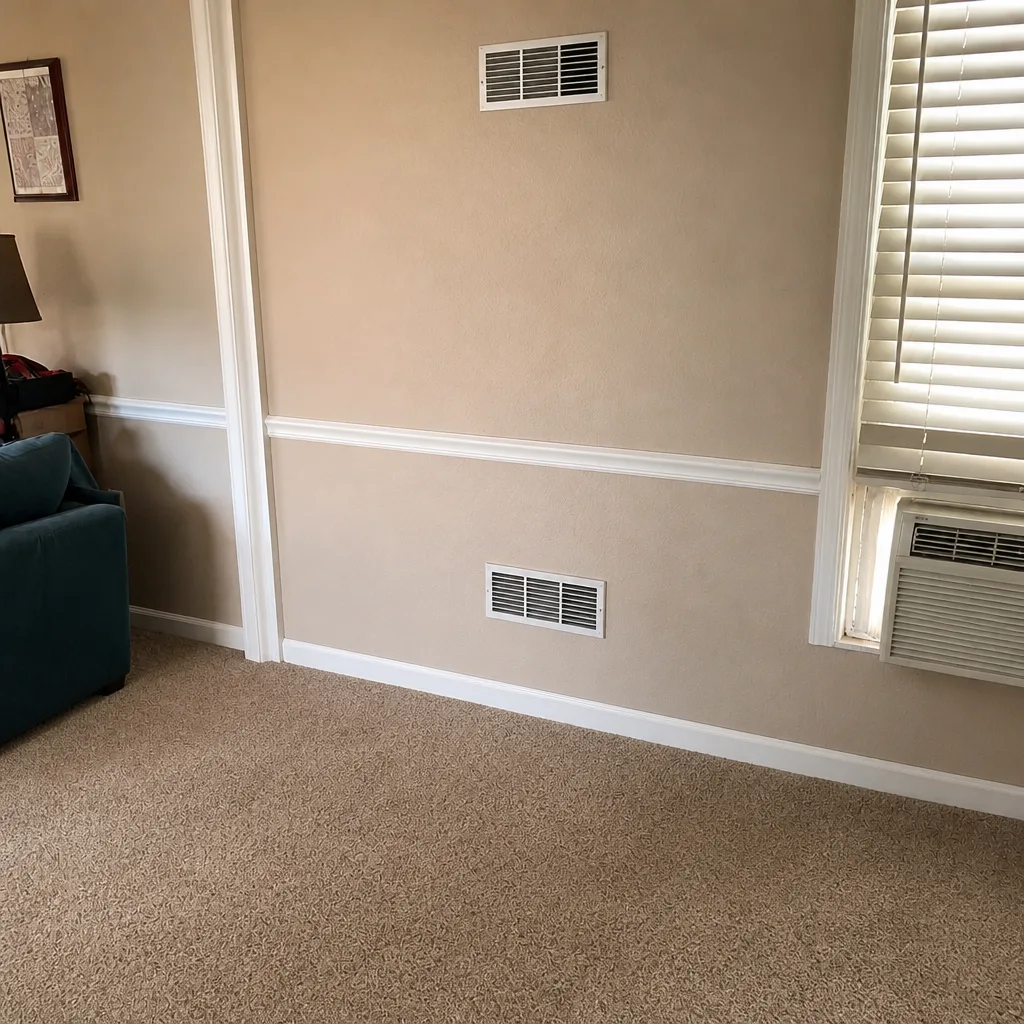 After
When to Call a Professional
Some situations don’t fit a schedule and need a call instead. Visible debris blowing from supply registers, a persistent musty smell when the system runs, or dark spotting at the registers are all signs of contamination beyond ordinary dust. So is a renovation that opened walls, a new-to-you home with unknown duct history, or a household member whose respiratory symptoms worsen when the HVAC runs. Weak airflow at one register or across the whole house points to a leak or a blockage, which is a repair question rather than a cleaning one. Hermitage Air Duct Cleaning offers free estimates – the written estimate sets the price, and you’ll know what’s included before work starts. Call (855) 726-7834. We answer 24/7. Fast dispatch from 7am to 7pm, Sunday through Friday.
Frequently Asked Questions
Most Hermitage homes need professional cleaning every three to five years, with households that have pets, older flex or ductboard systems, or a recent renovation on the two-year end. The right answer depends on your specific variables, and we recommend scoring the five factors in the matrix above to set your interval. Call (855) 726-7834 for a free estimate and an honest read on your system.
Duct cleaning is priced per system, not per vent, and the price is set by a written estimate after an assessment of your system’s size, duct material, and contamination level. We give you one flat price for the whole system before work starts. That’s deliberate – per-vent pricing is what allows a low teaser number to grow once the technician is on site. Call (855) 726-7834; estimates are free.
Cheap quotes usually cover less work: a vacuum pass without contact agitation, no HVAC component cleaning, no sealing assessment, and no documentation. The price reflects a different job. When you compare estimates, check whether the quote includes the blower and coil, whether the duct walls are agitated with professional equipment, and whether you get before-and-after photos of your own ducts. Ask what isn’t included.
Ask for before-and-after photos of your own ducts, taken at the registers and, where accessible, inside the trunk and air handler. A crew using Rotobrush and Nikro equipment will have no trouble producing them. If photos are refused, that tells you something. Call (855) 726-7834 to schedule and request documentation with your estimate.
Not effectively, and not safely beyond the register level. Household vacuums lack the CFM and the HEPA filtration to extract debris without redistributing fine particles into the living space, and pushing a shop-vac hose into a duct risks disconnecting joints and damaging the flexible interior liner. Clearing grilles and changing filters is a real contribution – leave the duct interior to contact-cleaning equipment.
Middle Tennessee’s humid summers keep systems running long hours and cycling moisture through the airstream, which supports biological growth in any system with standing condensation or an unsealed return. That’s a reason to keep the annual HVAC inspection on schedule and to watch for musty odors, not a reason to clean on a shorter calendar than your household score calls for. Humid summers do raise the stakes on sealing leaks, since an unsealed return in a humid attic or crawlspace pulls that moisture directly into the system.
Dryer vents should be inspected and cleaned annually for a typical household. Lint builds up regardless of how well the ducts are maintained, and it’s a fire hazard rather than a comfort issue. If your dryer takes longer than it used to or the exterior flapper isn’t opening fully, the vent needs attention now, not on the annual cycle. Call (855) 726-7834 to have it added to your visit.
The Bottom Line
A maintenance schedule that works is built around your house, not a national average. Score the five variables – pets, renovation history, filter grade, duct condition, and occupant sensitivity – and let the result set your interval. Keep the monthly and six-month tasks running in between so a cleaning actually holds. Treat renovation dust as a firm deadline rather than something to get to eventually. Upgrade filtration only within what your system can handle, and document the system with photos so you can see the interval shifting instead of guessing. Two households on the same street can legitimately need different schedules, and the ones that get it right are the ones that track their own system rather than following a rule of thumb.
When you’re ready to put a date on the calendar, Hermitage Air Duct Cleaning handles the full pathway: cleaning, sanitizing, repair, sealing, and dryer vent safety. One flat price per system, agreed before work starts, and before-and-after photos of your own ducts. Call (855) 726-7834 for a free estimate. We answer 24/7. Fast dispatch from 7am to 7pm, Sunday through Friday.
Written by the team at Hermitage Air Duct Cleaning.