
Last updated November 24, 2026
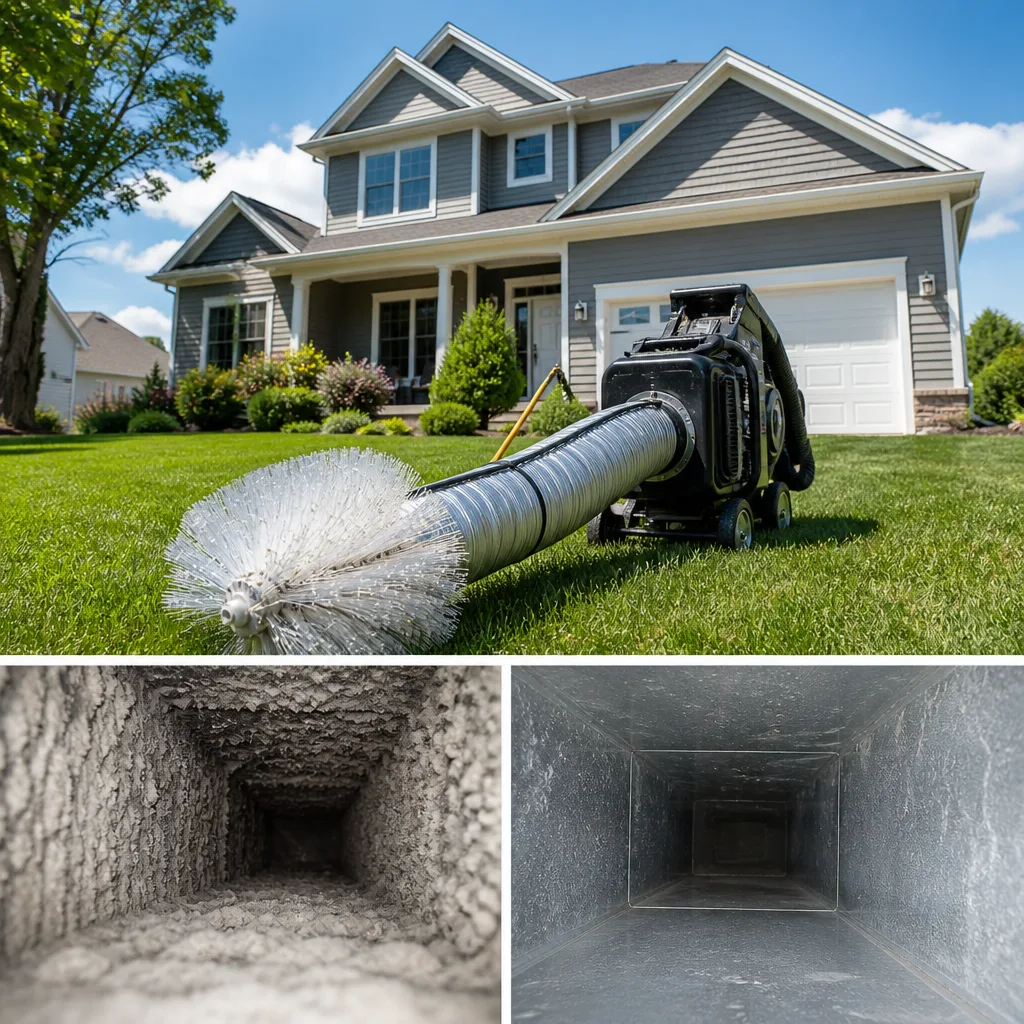 Whole-home duct cleaning
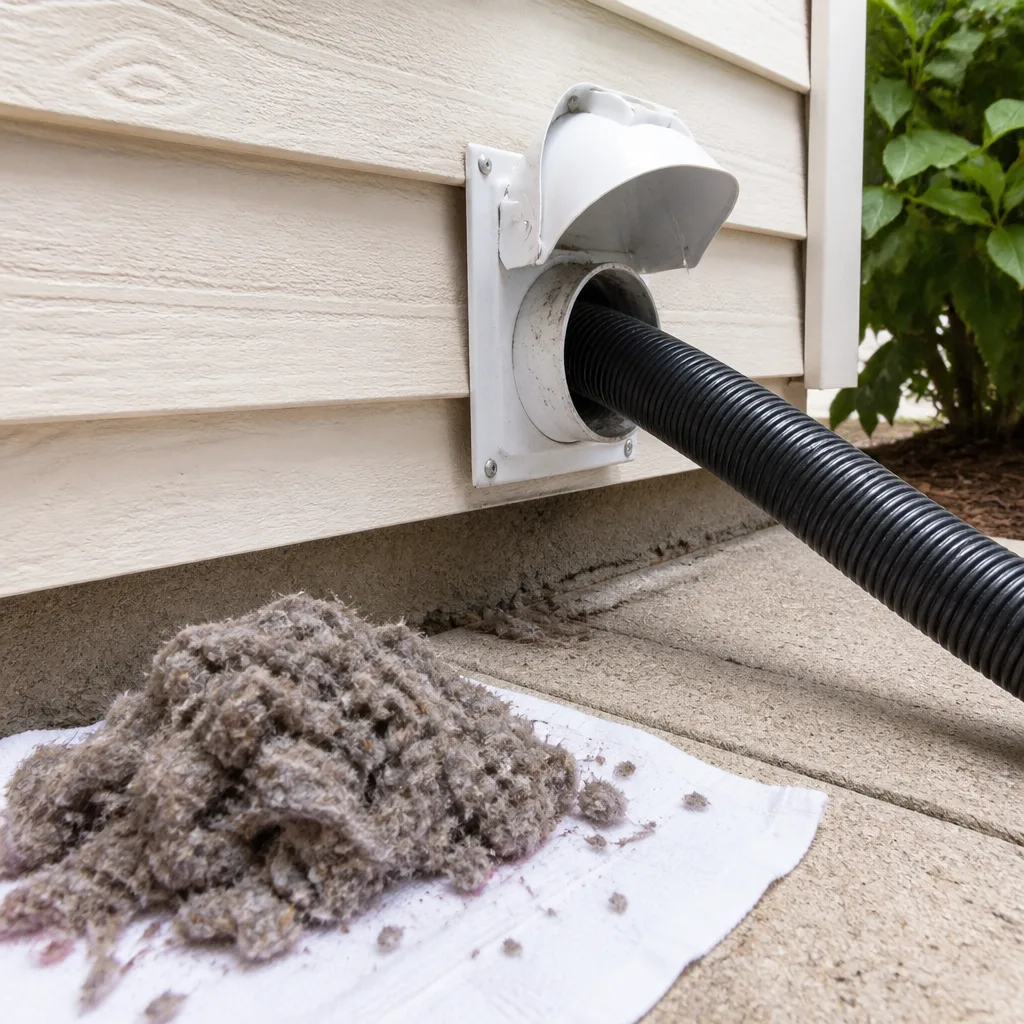 Dryer vent cleaning
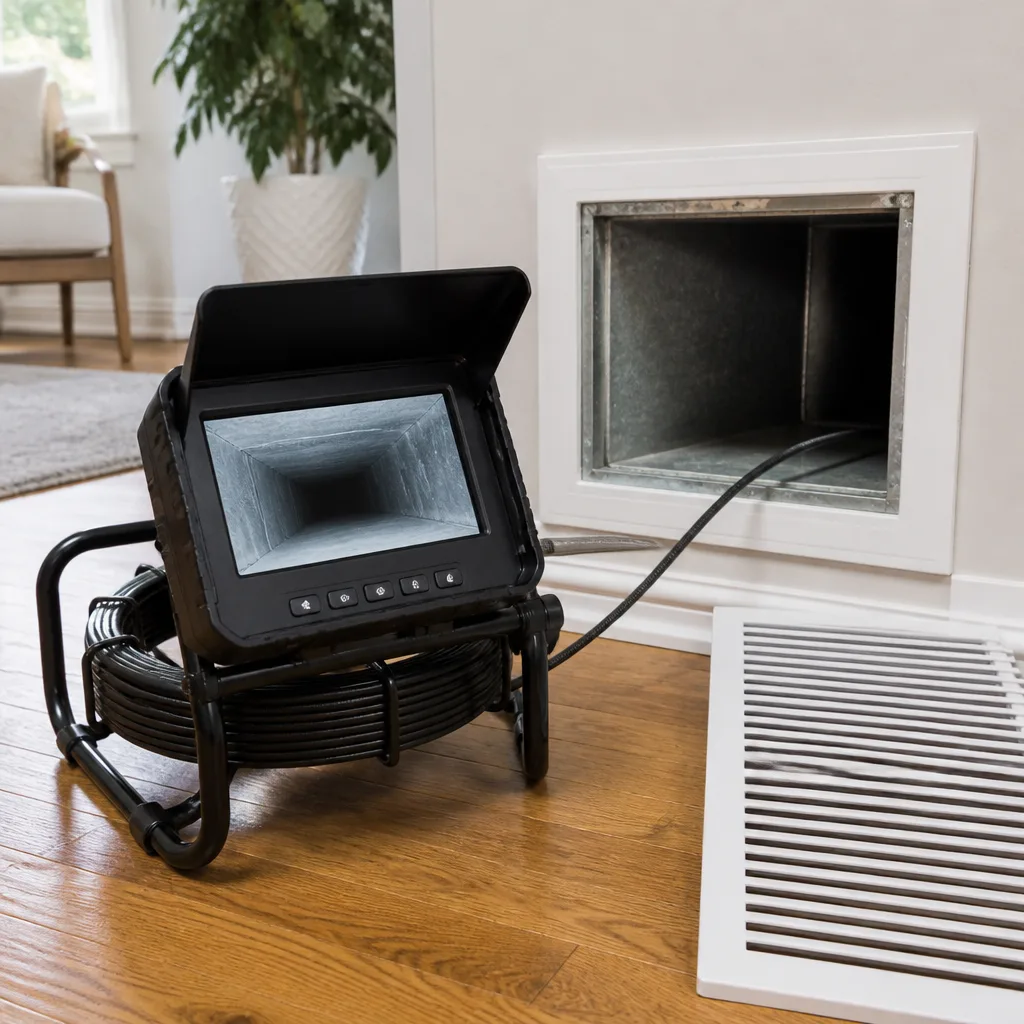 Camera inspection
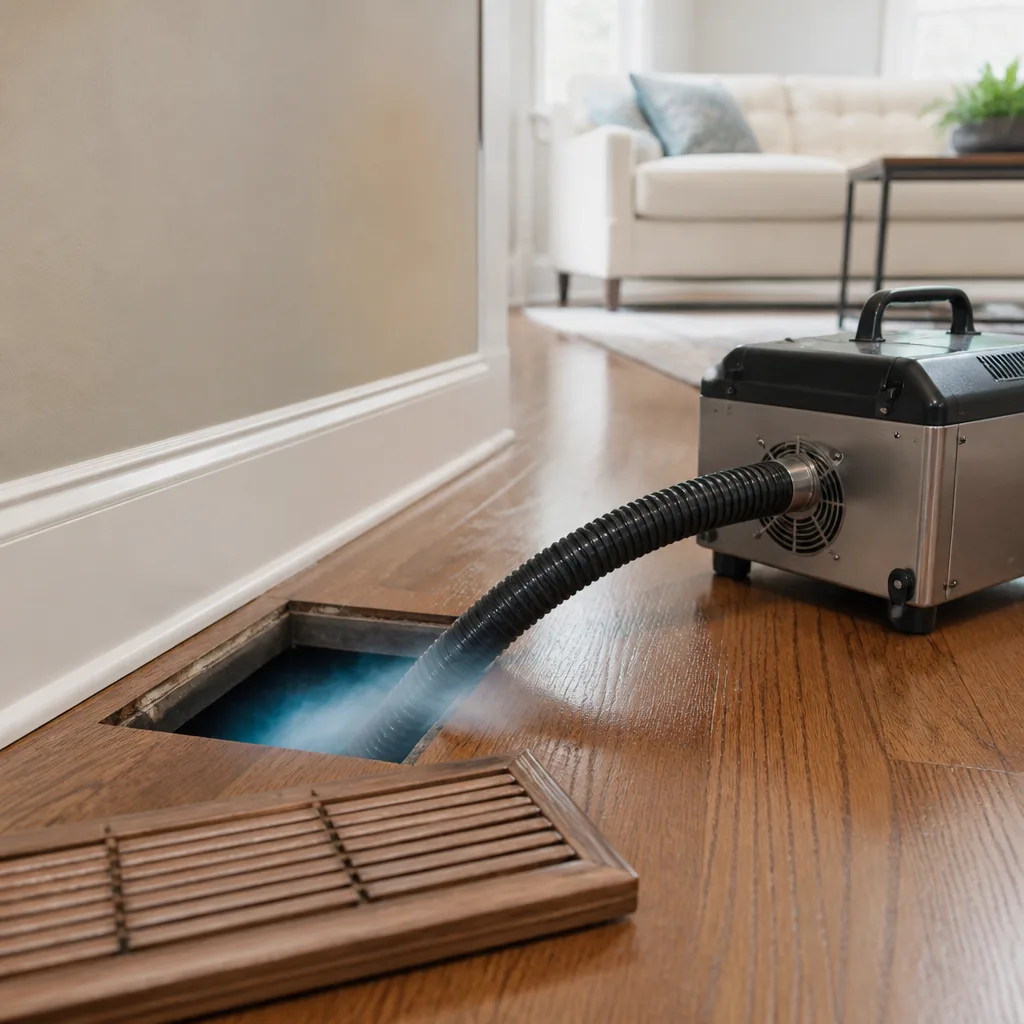 Sanitizing & deodorizing
Whole-system duct and dryer vent check with before-and-after photos - you see exactly what came out of your vents
That "$99 whole-house special" is a bait ad - the real number appears once they are in your hallway, or the "clean" is a shop-vac at the register. We photograph the inside of your ducts before and after instead.
Air Duct Cleaning Troubleshooting in Hermitage: Common Problems and How to Fix Them
If your ducts were cleaned months ago and dust is already settling on the vent slats again, the cleaning didn’t necessarily fail. Something upstream of the vents did. That’s the part most homeowners never get told, because the conversation usually stops at “your ducts are dirty” instead of “here is the exact failure point.” Persistent dust, rooms that won’t heat evenly, and musty smells drifting out of a supply register are symptoms of three different problems, and they don’t share a single fix. This guide maps each symptom to the physical cause behind it, and it’s the same troubleshooting framework our technicians use in Hermitage before they recommend any work. By the end you’ll know where to look, what your own observations mean, and when it’s time to call.
Quick Answer
Most air duct problems in Hermitage trace back to one of four physical causes: a dirty air handler and coil restricting airflow, leaks at the joints in branch ducts, a blocked or undersized return path, or moisture growing on a wet drain pan or coil. Each produces a distinct symptom. Dust returning fast usually means contaminated blower or coil; uneven room temperatures mean a duct or static pressure problem, not dirt; a musty smell after cleaning means moisture, not residual debris. A moisture or leakage issue does not get fixed by a vacuum alone.
Styles & brands we work with
- Whole-home duct cleaning
- Dryer vent cleaning
- Camera inspection
- Sanitizing & deodorizing
Table of Contents
- Symptom-to-Cause Mapping: Where the Problem Starts in the Air Pathway
- How to Tell a Dirty Duct From a Leaking Duct
- Why Musty Smells After Cleaning Usually Aren’t Duct Debris
- What Uneven Room Temperatures Reveal About Duct Sizing and Static Pressure
- Closets and Corridors: The Hermitage Layout Trouble Spots
- Camera Inspection Versus Spot Repair: Which One You Need
- Dryer Vent Symptoms Homeowners Misdiagnose as Duct Problems
- How to Test and Document Before You Call
Symptom-to-Cause Mapping: Where the Problem Starts in the Air Pathway
Your duct system has three distinct zones, and each fails in its own way. The air handler and coil sit at the front. The main trunk line runs from there to the branch takeoffs. The branch ducts run out to individual register boots in each room. Identifying which zone is producing the symptom narrows the diagnosis fast.
- Air handler and coil: A dirty blower wheel and a fouled evaporator coil restrict the total volume of air the system can move. Symptoms feel like the whole house at once: dust returning to every vent, weak airflow at supply registers even at full fan, and a system that runs long without cooling or heating well.
- Main trunk and branch takeoffs: Leaks at the collars and joints between the trunk and branches bleed conditioned air into the wall cavity. Symptoms cluster on the rooms with the worst pressure balance: hot or cold rooms, weak registers at the far end of a run.
- Register boots and supply grilles: The boot is the funnel behind the louvered grille. Debris settles into the boot’s vertical throat, and the grille itself collects dust from the room’s own air movement. Symptoms are localized: one vent looks furry or dust-coated while the rest look fine.
In our experience, homeowners tend to assume the vent that looks dirtiest is the worst duct. Usually it’s just the one catching the most room air. Dust on a grille is a filter-surface indicator, not a cleanliness reading of the ducts behind it. The right question is which zone is causing dust to move, not which grille it ends up on.
The correction for each zone is different, and it’s why air duct cleaning done right starts with a look at the air handler, not the vents. A contact-cleaning system like the Rotobrush physically agitates the duct interior. That step is only effective if the equipment behind it isn’t recirculating a fouled coil right back into the system.
How to Tell a Dirty Duct From a Leaking Duct
A dirty duct problem and a duct leakage problem present differently, and you can sort them out before anyone arrives. The tool is a common tissue and a strip of painter’s tape.
- Turn the system fan to the on position so it runs continuously without heating or cooling.
- Peel off a short strip of painter’s tape and hold a single square of light tissue to the tape edge.
- Press the tissue over a supply register face. If the tissue is pulled tight against the grille, the supply is pushing air. If it flutters weakly or drops away, that branch is starved.
- Now hold the tissue near the return grille. A healthy return will pull the tissue flat strongly. A weak pull points to a restricted return path, not a dirty supply duct.
- Walk the visible duct runs in the basement or attic and watch the tissue near any taped seam, collar, or flex duct connection. A leak will visibly pull or blow the tissue.
A duct that looks dusty on the outside but holds strong airflow behind the grille is dirty, not broken. A duct that looks clean but pulls a tissue toward a seam is leaking, and cleaning it won’t fix the leakage. If the seam test flickers, you have a repair-and-sealing issue, not a cleaning issue. The two fixes address different things, and a vacuum applied to a leaking duct doesn’t close the hole.
We check for exactly this in Hermitage. Because any joint can fail along the run, we seal what we find instead of cleaning around it. That’s what HVAC cleaning covers when it’s done as full-pathway work: the unit, the trunk, the branches, and the boots as one system.
Why Musty Smells After Cleaning Usually Aren’t Duct Debris
If a musty or damp smell returns within days of a cleaning, the culprit is almost always moisture, not debris the cleaning missed. Ducts hold no moisture on their own in a dry system. Something is wet.
The most common source is the evaporator coil and its drain pan. A clogged condensate drain or a pan that isn’t pitched properly leaves standing water near the coil. The blower pulls air across that standing water on every cycle, and the smell travels down the supply runs. A dirty coil also sheds mold spores more easily once it’s damp. You can vacuum a duct until it’s spotless and still get that smell the same week, because the source is upstream.
Second is a wet filter. A filter that’s been pulled in by a clogged return or left to sit in a high humidity closet can trap moisture. Third is condensation forming inside a poorly insulated section of flex duct where it passes through a hot attic. That can happen in Hermitage summers where attic temperatures climb steeply.
To narrow it down, look for these signs:
- Water staining or rust in the drain pan or on the coil cabinet.
- A filter that’s damp or that bulges against the return.
- A smell strongest near the air handler rather than at distant vents.
- Condensate line that trickles slowly or not at all.
When the smell hangs on after a cleaning, the fix is often coil cleaning and drain work plus a sanitizing pass, not re-cleaning the ducts. That’s why our collection includes an Abatement Technologies filtration step for contamination-sensitive homes, alongside sanitizing after the source is corrected. Cleaning a musty system before fixing the moisture just repeats the problem.
What Uneven Room Temperatures Reveal About Duct Sizing and Static Pressure
Uneven room temperatures after a cleaning are usually not a dirt problem at all. They point to a duct sizing or static pressure imbalance that cleaning can’t correct. The cleaning may have improved airflow enough to reveal the imbalance, but it didn’t create it.
Static pressure is the resistance air meets as it travels through the duct network. When a system is balanced, each branch gets the airflow it was designed for. When one branch is long, undersized, or loaded with too many elbows, it starves; the system pushes volume into whichever branch gives least resistance. The result is a room that never quite matches the rest of the house, no matter how clean the ducts are.
In Hermitage, this comes up most in homes where an addition was built onto an existing system. The original duct tree was sized for the original square footage. When a remodel taps into the trunk with an extra branch without adjusting the trunk size or blower setting, the old rooms start running cool. The fix isn’t the vacuum. It’s rebalancing the branches, adjusting dampers if they exist, and possibly sealing the flex runs to reduce leakage that works against the whole system.
What to look for:
- One or two rooms consistently cool while the rest are fine.
- Weak airflow at the farthest supply registers, strongest near the air handler.
- Branches where the flex duct is kinked or bent more than it should be.
- Dampers present but fully open, or missing entirely.
A room that starts to hurt after cleaning usually reveals a leak the cleaning exposed, or a branch that was already starved. Sealing that branch at the trunk is the corrective step, and it’s a service we offer as a standalone item, separate from the cleaning itself.
Closets and Corridors: The Hermitage Layout Trouble Spots
Certain layouts in Hermitage homes produce predictable duct problems, and knowing yours helps you focus the diagnosis.
Homes with the air handler and furnace in a hall closet or utility room are the most common set-up, and they tend to be the most prone to musty smells and short-cycling. The closet is tight, the return may pull from a louvered door, and if the return is undersized the blower is starved on every cycle. That’s a static pressure problem showing up as a smell and a weak pull. The fix is usually a larger return path or an added return grille, not a cleaning.
Long, narrow corridors common in one-story plans can starve the furthest room. If the branch serving the end bedroom runs more than one full duct length with several bends, that room will lag the rest. Adding a balancing damper at the takeoff or a boost to the affected branch is the practical fix. When we assess these, technicians with up to 14 years of experience usually reach for a simple airflow reading before recommending anything.
Homes with flex duct routed through an unconditioned attic are another regular trouble spot. Attic heat in a Hermitage summer can make a poorly insulated flex run sweat, and the moisture causes the smell. Rerouting or reinsulating the run, or at minimum sealing the exterior of the duct, addresses the source.
If your closet return is louvered, run a hand along it with the fan on. A weak pull points to a starved return, and that means a conversation about a return upgrade, not about the cleaning.
Camera Inspection Versus Spot Repair: Which One You Need
When troubleshooting gets past the obvious, the choice is between a full camera inspection and a targeted spot repair. They answer different questions, and most jobs don’t need the full inspection.
A spot repair is the right choice when the problem is a visible seam, a failed collar, a kinked flex run, or a boot that’s pulling away from the drywall. You can see the failure, so you fix the failure. A camera adds cost without adding information.
A camera inspection is worth it when the symptom doesn’t match anything visible. For example:
- A persistent musty smell that returns after cleaning and after the coil and drain get checked.
- Dust returning to one room’s vents while every other room stays clean, and the branch is buried inside a wall or ceiling assembly.
- Evidence of a rodent or pest intrusion where you can hear movement but can’t find the entry.
- Moisture stains on a ceiling near a duct run without any visible leak source.
A camera shows the interior condition of the buried run, whether there’s standing water, whether debris has bridged a collapsed section of flex, and where the branch actually goes. That’s different information from what a tissue test reveals.
In our experience, a camera inspection is the tool that settles a disagreement. When the homeowner says dust is back and the previous cleaner says the ducts were clean, the camera is what ends the debate.
Repair-and-sealing capability matters here. A company that only cleans has nothing to offer after the camera shows a leak. We offer the repair as a standalone service precisely because a camera often finds a leak, not just a dirt problem. If your suspicion is a leak, ask about Hermitage Air Duct Cleaning repair before you book the cleaning, because the fix may be sealing, not vacuuming.
Dryer Vent Symptoms Homeowners Misdiagnose as Duct Problems
One of the most common duct troubleshooting calls we get in Hermitage turns out to be a dryer vent problem instead. The symptoms overlap enough to fool a homeowner.
A dryer that takes two cycles to dry a load, a laundry room that feels humid, lint behind the dryer, or a warm dryer door are all signs the dryer vent is restricted. That’s a fire-safety concern, not a comfort concern. Lint is highly combustible, and a vent that’s restricted moves the dryer’s exhaust through a long, narrow, lint-packed path.
A dryer vent problem and a duct problem can coexist, so don’t assume one rules out the other. If the laundry room sits next to a conditioned space and the return is restricted, the two symptoms stack. When we diagnose the laundry area, we check both. dryer vent cleaning is a fire-prevention service, and it belongs in the same air pathway maintenance call as the ducts. Most duct-only companies don’t offer it, so a homeowner with both problems often ends up booking two visits.
Check these before assuming a duct problem:
- Lint accumulation visible behind or around the dryer.
- Drying times that have stretched over several months.
- The exterior vent flap that doesn’t lift well when the dryer runs.
- A flexible transition duct with more than one bend, or the foil type that collapses.
If the dryer is fine and only the rooms feel off, the problem is more likely in the duct side. If the dryer is slow and lint is visible, address the vent first, then test the ducts.
How to Test and Document Before You Call
Doing a little structured observation before you call makes the visit more productive. It also helps you tell whether a proposed fix actually addresses what you found.
- Write down the dates. When did you last change the filter, and what does the filter look like now? A filter that loads in weeks points to a source upstream, not dirty ducts.
- Run the tissue test at three supplies and one return. Note which rooms pull strong and which don’t. Note whether the tissue flickers at any seam you can reach.
- Photograph what you can see. A phone photo of each grille, of the air handler cabinet, and of the drain pan is useful for comparison after the work.
- Note the smells. Where is the smell strongest? At the air handler, at one vent, or in a room? A smell concentrated near the unit points upstream.
- Note any recent changes. A remodel, an added room, a new filter style, or a recent move-in can all reframe the symptom.
Keep the notes and the photos. When a cleaning is done, the before-and-after comparison should be documented by whoever did the work, and your own photos make that comparison easy.
Common Mistakes to Avoid
- Treating every symptom as a cleaning problem. A musty smell and a starved return don’t get better with a vacuum. They get better with a moisture fix and a return upgrade, respectively. Ask what physical cause a proposed fix addresses.
- Accepting per-vent pricing. A per-vent quote rewards the contractor for counting vents, not for fixing the system. Ask for a flat price per system, agreed before work starts.
- Skipping the air handler. A cleaning that stops at the ducts leaves the blower and coil to recirculate everything the vacuum just removed. Dust back within months is often this.
- Cleaning before fixing a leak. A vacuum applied to a leaking duct cleans around the hole. Seal it first, or the leak stays open and the cleaning repeats.
- Inexpensive quotes that hide the work. Some quotes omit the air handler, the return path, or the boot interiors. The low number is real only if the scope matches a whole-system cleaning.
- Assuming the vent with the most dust is the dirtiest duct. A grille collects room dust on its own. The dirt on the surface isn’t a reading of the duct behind it.
- Using shop-vac style surface cleaning as a substitute for contact cleaning. Relying on surface suction when the problem is agitating debris off duct walls is a mismatch. The tools matter.
See the difference
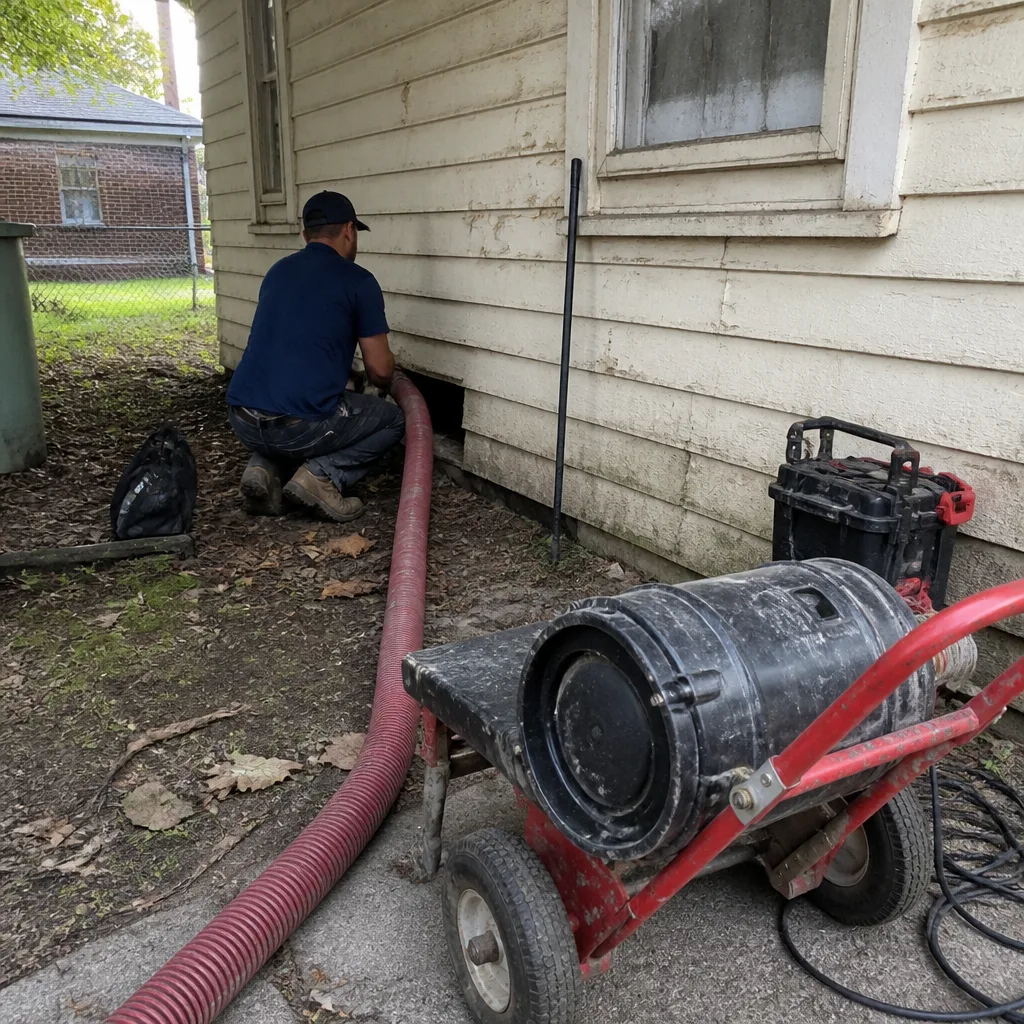 Before
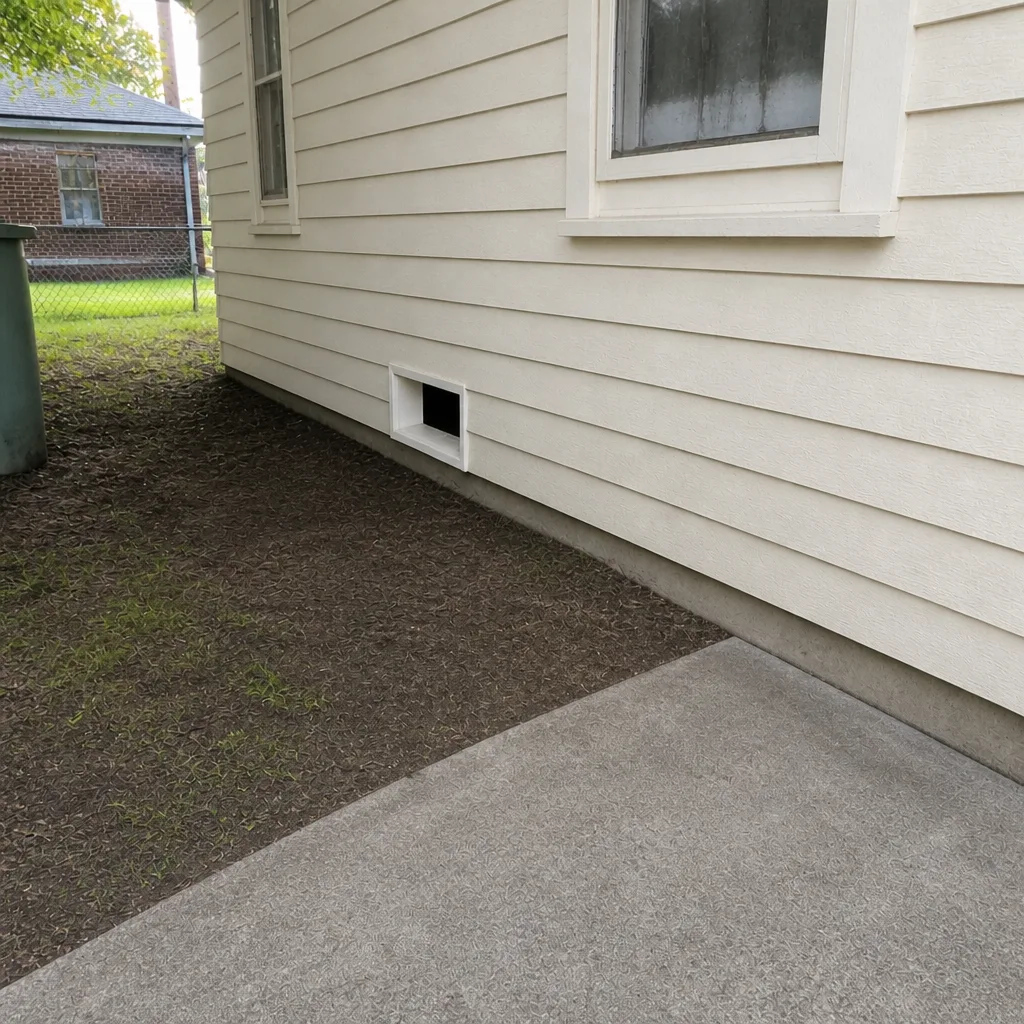 After
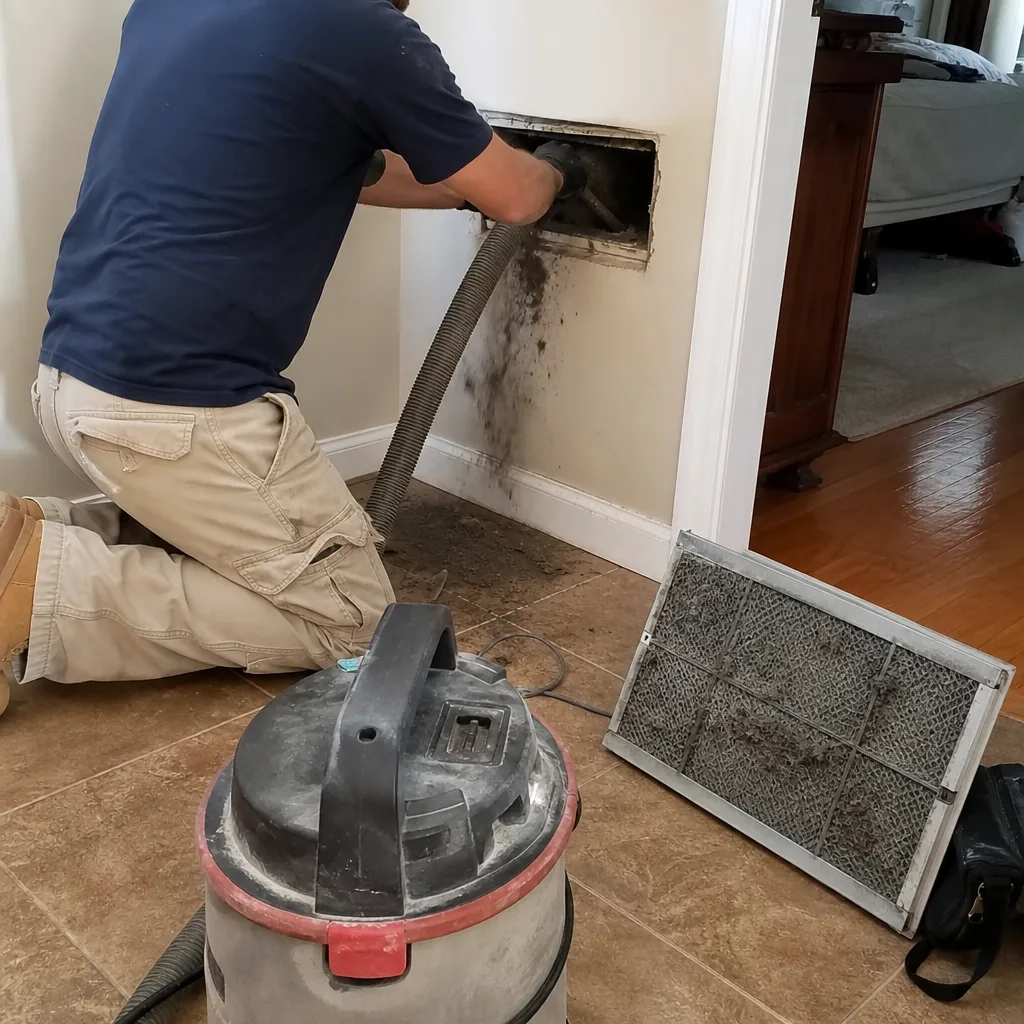 Before
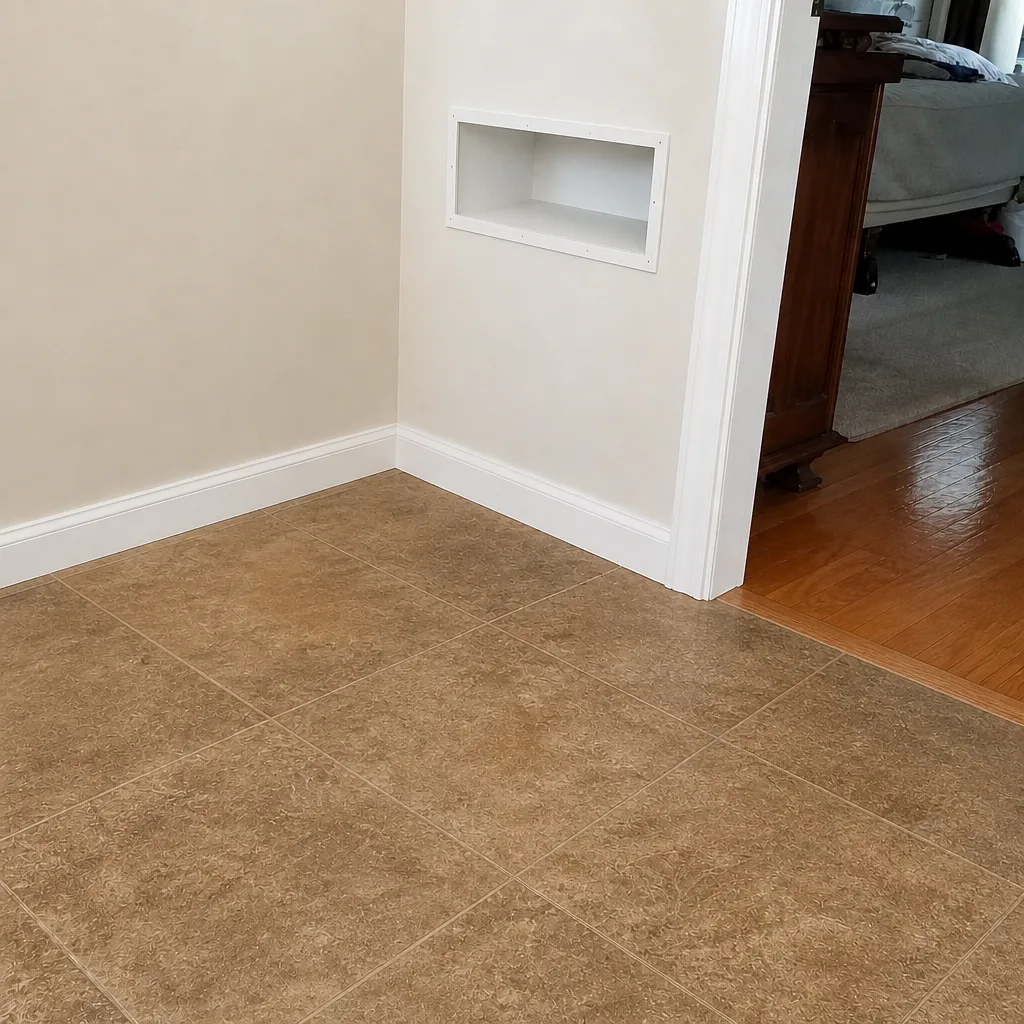 After
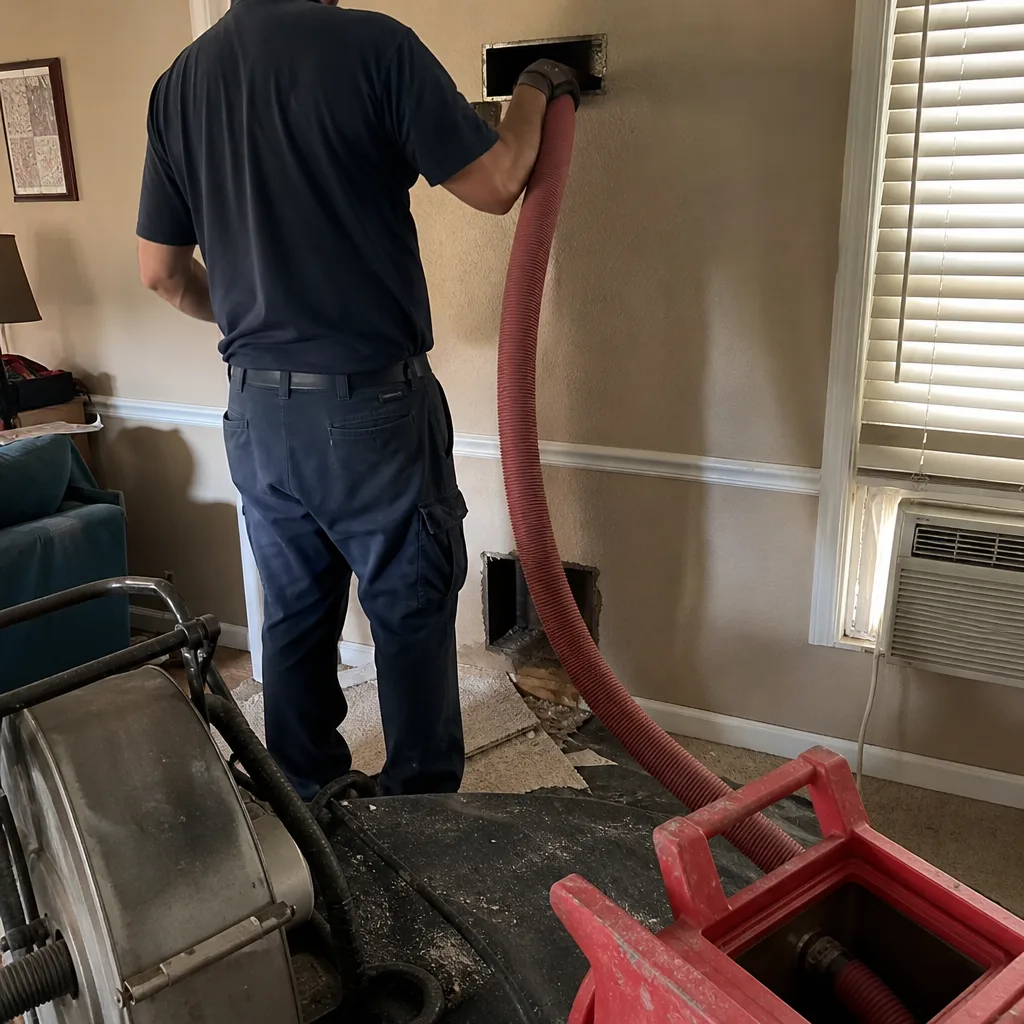 Before
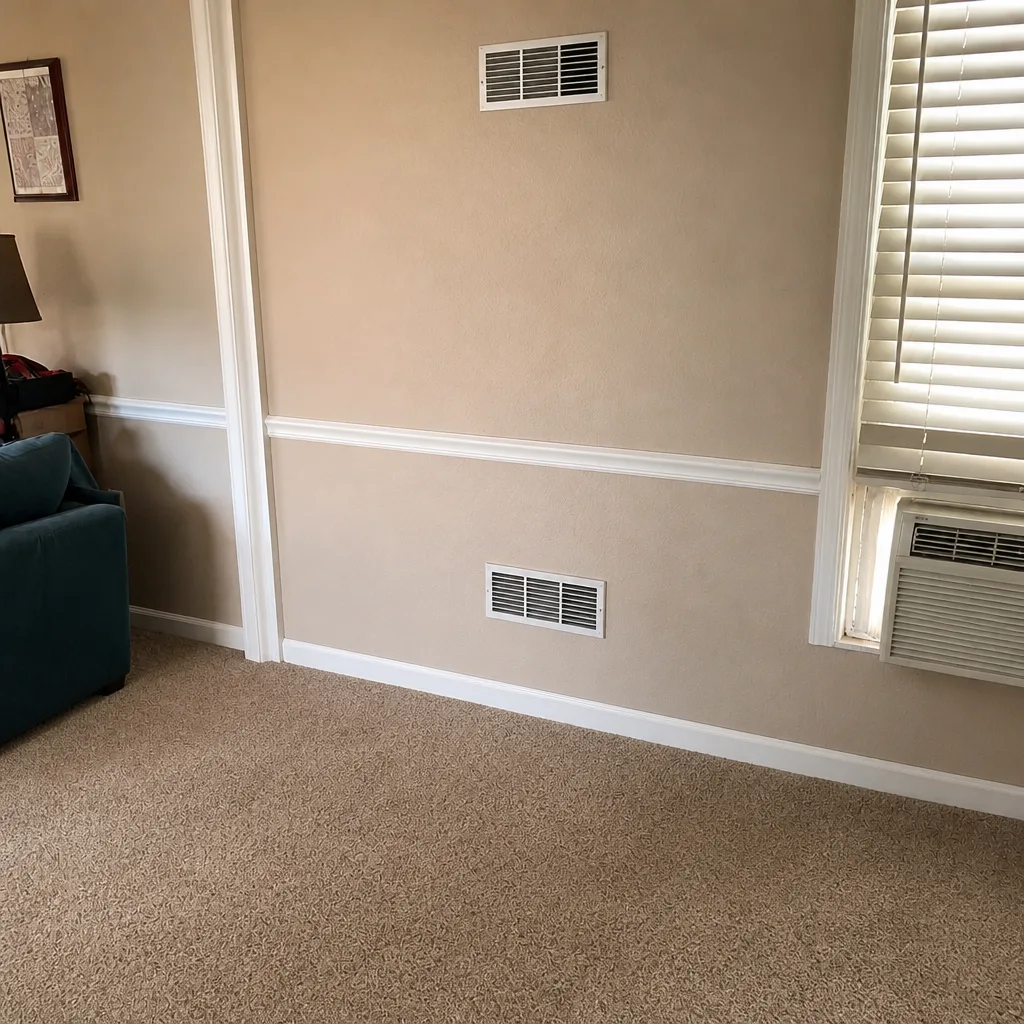 After
When to Call a Professional
Call a professional when the symptom points to a physical cause you can’t inspect safely yourself. If the tissue test shows a leak you can’t fully trace, if the smell returns after cleaning and after the drain is checked, or if one room stubbornly refuses to match the rest, those are signals for a technician with proper tools. Likewise, if the camera needs to go inside a wall to settle a dispute, or if a dryer vent is packed with lint, that’s a job for trained hands. Duct systems inside attics and closets can carry sharp edges, standing water, and access limited enough to make a homeowner attempt risky. Hermitage Air Duct Cleaning offers Rotobrush contact cleaning, Nikro equipment, and repair-and-seal service as one scope, and we include an Abatement Technologies filtration step for homes with mold concerns or recent renovation dust. We clean the whole system, not just the vents. Hermitage Air Duct Cleaning offers free estimates in Hermitage; call (855) 726-7834.
Frequently Asked Questions
Air duct cleaning in Hermitage is typically priced per job by a written estimate, not per vent, and the final number is set by the scope of the whole system: air handler, trunk, branches, and boots. That’s the standard we hold to: one flat price per system, agreed before work starts, so you know what you’re paying before the technician begins. If you’re comparing quotes, make sure each one covers the same scope. Call (855) 726-7834 for an exact quote; estimates are free.
Cheap quotes usually shrink the scope, not the price. Some exclude the air handler, clean only the visible duct runs, or use surface suction instead of contact cleaning. The number looks smaller until you compare what’s covered. Ask each contractor exactly what the price includes: the air handler, the return path, branch interiors, boot cleaning, and whether before-and-after photos of your own ducts are provided. Call (855) 726-7834 for a free estimate; we’re glad to talk through scope.
You should see before-and-after photos of your own ducts, not stock images. A proper visit also shows you the coils and drain pan condition and the point where repairs were made. If a company won’t produce photos of your specific system, that’s a warning sign. Call (855) 726-7834 for a free estimate and ask us how we document the work.
There’s no universal schedule, and anyone who quotes a fixed annual maintenance plan is guessing. Most homes benefit from a cleaning when a specific symptom appears: dust returning quickly to vents, a musty smell that won’t clear, visible debris behind a grille, or renovation dust. Homes with pets, recent remodeling, or a musty smell tend to need it more often. Call (855) 726-7834 for a free estimate based on what you’re actually seeing.
Because the source was almost certainly moisture, not duct debris. A wet drain pan, a clogged condensate line, or a damp filter near the coil will keep the smell going regardless of how clean the ducts are. The fix is to correct the moisture source and sanitize, then verify the smell is gone. We answer 24/7; call (855) 726-7834 for a free estimate.
Rarely on its own. Uneven temperatures are usually a duct sizing, leak, or static pressure problem. Cleaning may slightly improve airflow, but if one room lags while the rest are fine, the cause is in the branch serving that room. A leak at the takeoff or a starved return is more likely than dirt. Call (855) 726-7834 for a free estimate; a technician can test airflow and seal what’s found.
The Bottom Line
Duct problems are diagnosable. Dust returning quickly usually means the air handler and coil were never addressed. A musty smell that persists means a moisture source upstream, not debris. Uneven room temperatures mean duct sizing or leakage, not dirt. The tissue-and-tape test, a few photos, and a short note of when each symptom started will carry you most of the way. From there, the fix depends on the cause: cleaning when it’s dirt, sealing when it’s a leak, moisture correction when it’s damp. One flat price per system agreed before work starts, before-and-after photos, and the whole air pathway treated as a system are the signs of work that actually resolves the symptom. If you’d rather have a technician trace it, we’re here.
Call (855) 726-7834 for a free estimate. We answer 24/7. Fast dispatch from 7am to 7pm, Sunday through Friday.
Written by the team at Hermitage Air Duct Cleaning.